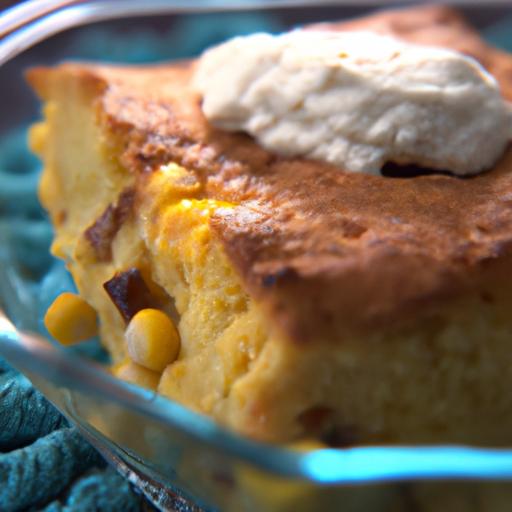


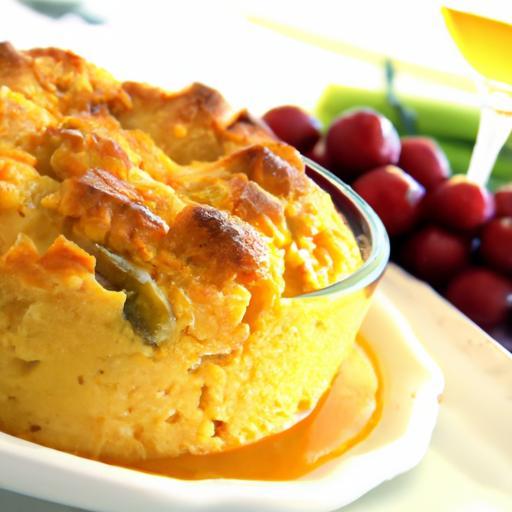
Corn bread pudding is where rustic cornbread meets creamy custard, sugar, and spice—transforming simple ingredients into golden comfort. This Southern-inspired dessert blends hearty texture with silky indulgence, balancing sweetness and spice for a nostalgic yet novel treat. Whether you’re a beginner or seasoned baker, mastering cornbread pudding offers a delicious glimpse into one of America’s most comforting culinary treasures.
Golden Comfort begins with the delicate balance of sweet and savory elements harmonizing flawlessly in every bite of this corn bread pudding. This classic Southern treasure transforms humble cornbread into a luscious custard-soaked masterpiece, delighting the senses with its moist texture and rich, layered flavors. Whether enjoyed as a comforting side or a standout brunch dish, its inviting aroma and golden crust will captivate you from the moment it emerges from the oven.
Prep and Cook Time
- Planning: 20 minutes
- Baking: 45 minutes
- Total Time: 65 minutes
Yield
- Serves 6 to 8 generously
Difficulty Level
- Medium – Perfect for home cooks ready to elevate traditional comfort food
Ingredients
- 4 cups day-old cornbread,crumbled (preferably homemade or quality store-bought)
- 3 large eggs,lightly beaten
- 2 cups whole milk
- 1 cup heavy cream
- 3 tbsp unsalted butter,melted
- 3 tbsp honey or pure maple syrup
- 1 tsp kosher salt
- ½ tsp freshly ground black pepper
- 1 cup sharp cheddar cheese,shredded
- ½ cup cooked bacon,chopped (optional but recommended)
- 1 small jalapeño,seeded and finely diced (optional for a subtle kick)
- 2 tsp fresh thyme leaves,chopped (or 1 tsp dried)
Instructions
- preheat your oven to 350°F (175°C),and generously butter a 9×9-inch baking dish to prevent sticking and encourage a golden crust.
- Prepare the cornbread base: using day-old cornbread is crucial for the perfect texture; it soaks up the custard without becoming mushy. Crumble it into bite-sized pieces and spread evenly in the prepared dish.
- In a large mixing bowl, combine the beaten eggs, whole milk, heavy cream, melted butter, and honey. Whisk until the mixture is smooth and slightly frothy – this custard infusion is what transforms the corn bread pudding from ordinary to remarkable.
- Season the custard gently with kosher salt, freshly ground black pepper, and fresh thyme, then stir in sharp cheddar cheese, cooked bacon, and jalapeño, if using.This combination layers savory depth into the pudding while allowing subtle sweet notes to shine.
- Pour the custard evenly over the crumbled cornbread, pressing gently with a spoon to ensure every piece absorbs the liquid.
- Let the mixture sit for about 10 minutes at room temperature - this resting period is key to maximum custard infusion, resulting in an irresistibly moist interior.
- Bake uncovered for 40-45 minutes, or until the top is golden brown and a toothpick inserted near the center comes out clean. The edges should be slightly crisp, creating texture contrasts with the creamy center.
- Remove from oven and allow to cool slightly before serving to let the custard set beautifully. Garnish with fresh thyme sprigs or a drizzle of honey for that final touch of elegance.
Tips for Success
- Choosing the cornbread: Use a cornbread that is not too sweet and has a sturdy crumb. Avoid overly crumbly or cake-like varieties which may fall apart.
- Custard consistency: For a richer pudding, add an extra egg or swap some milk for cream. Be cautious not to overfill the dish to prevent spillovers during baking.
- make-ahead tip: Assemble the pudding up to the baking step a day early, cover tightly with plastic wrap, refrigerate, and bake the next day – add 5-10 minutes to baking time if baking from cold.
- Variations: Swap bacon for diced ham or include sautéed onions and bell peppers to introduce additional savory layers.
- Troubleshooting: If the pudding seems too dry after baking,serve with a side of warm honey butter or a light cream sauce to enhance moisture.
Serving Suggestions
- Pair your slice with a crisp green salad featuring tangy vinaigrette to cut through the richness.
- top with a dollop of sour cream or crème fraîche alongside fresh chives for an indulgent brunch presentation.
- For a brunch crowd-pleaser, offer a drizzle of hot honey or maple syrup alongside for guests to customize sweetness levels.
- Accompany with roasted vegetables or smoky barbecue meats for a hearty, balanced meal rooted in Southern tradition.

| Nutrient | Per Serving |
|---|---|
| Calories | 350 kcal |
| Protein | 12 g |
| carbohydrates | 28 g |
| Fat | 20 g |
Discover more savory custard-inspired dishes in our Creamy Southern Casseroles collection. For deeper insights into the science behind custard textures, visit this authoritative breakdown by Serious Eats.
Q&A
Q&A: Golden Comfort – The Sweet Science of corn Bread Pudding
Q1: what exactly is corn bread pudding, and how does it differ from traditional bread pudding?
A1: Corn bread pudding is a delectable twist on the classic bread pudding, using cornbread as its base rather of regular white or French bread. This substitution infuses the dish with a subtle sweetness and a rustic, grainy texture, thanks to the cornmeal. Unlike traditional bread pudding, which often leans toward custardy softness, corn bread pudding strikes a harmonious balance between moist custard and crumbly cornbread, creating a golden comfort food that’s both hearty and sweet.
Q2: Why is corn bread pudding considered a ’sweet science’?
A2: The ‘sweet science’ term captures the delicate alchemy of textures and flavors in corn bread pudding. Achieving the perfect pudding requires understanding how cornbread absorbs custard, how the sugar caramelizes during baking, and how the interplay of spices, eggs, and milk transforms the humble ingredients into a luscious dessert. It’s both art and science – a practice in timing, temperature, and ingredient ratios that results in that ideal golden crust and creamy center.
Q3: What role does cornbread play in the pudding’s flavor profile?
A3: Cornbread acts like the soul of the pudding-its distinctive buttery, slightly sweet, and corn-flavored richness lays the foundation. The cornmeal brings a gentle graininess and depth that contrasts beautifully with the smooth custard. This creates an inviting complexity, where each bite offers a hint of rustic warmth, making the pudding comforting yet excitingly textured.
Q4: Can you add other flavors or ingredients to corn bread pudding?
A4: Absolutely! Corn bread pudding is wonderfully versatile. Classic additions include cinnamon, nutmeg, or vanilla to enhance sweetness and warmth.Some like to fold in dried fruits, such as raisins or cranberries, while others might add a drizzle of honey or maple syrup for extra richness. Savory versions even incorporate cheese and herbs, turning the dish into a comforting side.The key is balancing the flavors so the cornbread remains the star.
Q5: What’s the secret to baking the perfect corn bread pudding?
A5: Patience and precision are key. First, the cornbread should be slightly stale; this dryness allows it to absorb the custard without becoming mushy. Next, the custard-typically a blend of eggs, milk or cream, sugar, and spices-must be poured evenly over the bread and given time to soak. The oven temperature should be steady, often around 325°F to 350°F, baking slowly to cook the custard through while developing a golden, slightly crisp top. The pudding is done when the edges are set but the center still quivers slightly, promising a luxuriously creamy bite.
Q6: Is cornbread pudding a traditional Southern dessert?
A6: Yes. Rooted in Southern cooking, cornbread pudding reflects the creativity of turning simple ingredients—cornbread, eggs, and milk—into a cozy, soul-satisfying dessert that embodies Southern hospitality.
Q7: How should cornbread pudding be served?
A7: It’s best enjoyed warm from the oven, with a silky custard and golden crust. Pair it with whipped cream, vanilla ice cream, or a drizzle of caramel or bourbon sauce for an extra indulgence.
The Conclusion
Cornbread pudding is more than a sweet—it’s the comforting blend of rustic cornbread and creamy custard. Whether served warm or cooled, it celebrates tradition, comfort, and the magic of simple ingredients transformed into something special.