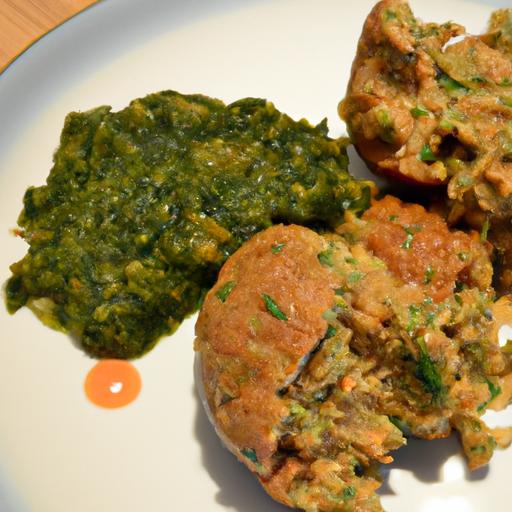

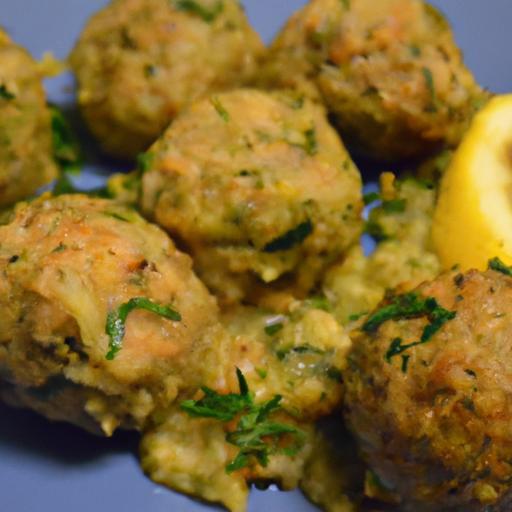
Swedish meatballs are a beloved comfort food, traditionally served with creamy gravy and mashed potatoes. Now, they’re reimagined as plant-powered Swedish meatballs—vegan, nutritious, and compassionate. This modern twist preserves classic flavors while showcasing the creativity of plant-based cooking, turning a timeless dish into a fresh, wholesome delight.
Exploring the Origins and Evolution of Swedish Meatballs in Plant-Based Cuisine
Plant-Powered Swedish “Meatballs” offer an enchanting journey from a centuries-old tradition to an innovative vegan classic, redefined for modern palates. Originally inspired by King Charles XII’s travels and customary Swedish kitchens rich with buttery cream sauces and tender ground meats, these meatballs have taken on new life through plant proteins – marrying heritage and sustainability in one flavorful bite.
As a longtime lover of Swedish cuisine, I remember my first encounter with plant-powered Swedish “meatballs” was a revelation: the familiar cozy warmth of this beloved dish without a trace of animal products. They’ve evolved remarkably, with clever ingredient blends that mimic the juicy texture and savory complexity of the originals, all while embracing the vibrancy of plant-based cooking.
Prep and Cook Time
- Preparation: 25 minutes
- Cooking: 20 minutes
- Total Time: 45 minutes
Yield
Makes approximately 24 meatballs, serving 4 people as a main course.
Difficulty Level
Medium – Requires basic cooking skills and attention to texture for optimal flavor.
Ingredients
- 1½ cups cooked brown lentils, drained and mashed lightly
- 1 cup cooked quinoa, fluffy
- ½ cup walnuts, finely chopped
- 1 small yellow onion, finely minced
- 3 cloves garlic, minced
- ¾ cup rolled oats, ground to coarse flour
- 2 tbsp ground flaxseed mixed with 5 tbsp water (flax egg)
- 2 tbsp soy sauce or tamari
- 2 tsp smoked paprika
- 1 tsp ground allspice
- 1 tsp ground white pepper
- ½ tsp ground nutmeg
- ½ tsp salt (adjust to taste)
- 3 tbsp neutral oil, for frying (like avocado or canola)
- Fresh parsley, finely chopped for garnish
Crafting the Iconic Creamy sauce Using Dairy-Free Ingredients
- 3 tbsp vegan butter
- 3 tbsp all-purpose flour
- 2 cups unsweetened oat milk
- 1 tbsp soy sauce or tamari
- 1 tsp Dijon mustard
- 1 tsp maple syrup
- Salt and freshly ground black pepper, to taste
Instructions
- Prepare the flax Egg: Combine ground flaxseed and water in a small bowl. Let it sit for 10 minutes until gel-like.
- Sauté Aromatics: Heat 1 tablespoon of oil in a skillet. Add minced onions and garlic. Sauté until translucent and fragrant, about 5 minutes. Remove from heat and let cool slightly.
- Mix the Meatball Base: In a large bowl, combine mashed lentils, cooked quinoa, chopped walnuts, ground oats, sautéed onions and garlic, flax egg, soy sauce, smoked paprika, allspice, white pepper, nutmeg, and salt. Mix well until evenly combined but not overworked.
- Shape the Meatballs: With damp hands, form the mixture into small, even-sized balls (about 1.5 inches in diameter). Place on a parchment-lined tray.
- Cook the Meatballs: Heat remaining oil in a skillet over medium heat. Add meatballs in batches, cooking until golden brown and firm-about 5 minutes per side. Avoid overcrowding to ensure even browning. Remove and drain on paper towels.
- Make the Creamy Sauce: In the same skillet, melt vegan butter over medium heat.Whisk in flour and cook for 1-2 minutes, stirring constantly to form a roux without browning.
- Add Liquid: Slowly whisk in oat milk,ensuring no lumps. stir continuously as sauce thickens, about 5-7 minutes.
- season the Sauce: Stir in soy sauce, Dijon mustard, and maple syrup. Taste and add salt and pepper as needed. For an extra depth, simmer gently for 2-3 minutes.
- Combine and Serve: Gently add the cooked meatballs back into the sauce, spooning sauce over them to coat entirely. Warm through for 2 minutes, then transfer to serving plates.
- Garnish: Sprinkle freshly chopped parsley atop the meatballs for a radiant, fresh contrast.
Tips for Success
- Texture is key: Use a food processor to chop walnuts finely but avoid turning them into a paste-textural contrast adds to the meatball “bite.”
- Moisture control: Drain lentils well and squeeze out excess liquid from cooked quinoa to prevent sogginess.
- Flax egg substitute: If flaxseed is unavailable, use chia seeds or a commercial egg replacer.
- Make ahead: Shape and refrigerate meatballs for up to 24 hours before cooking, or freeze uncooked for up to 3 months.
- Cooking tip: If your meatballs tend to crumble, add 1-2 tablespoons more ground oats as a binder.
- Sauce variations: For a richer sauce, swap oat milk with homemade cashew cream or add a splash of vegan white wine during sauce simmering.
Serving suggestions and Pairings to Elevate Your Vegan Meatball Experience
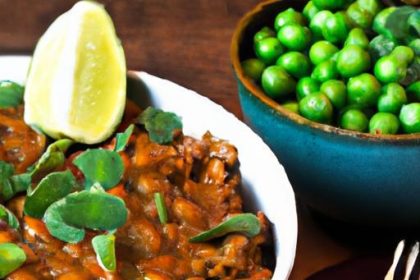
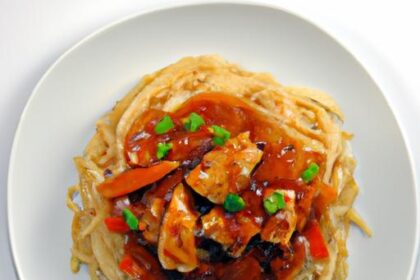
These plant-powered Swedish “meatballs” shine alongside classic accompaniments: creamy mashed potatoes with a sprinkle of fresh dill, buttered green peas or sautéed lingonberries for a hint of tartness.For a lighter option, serve over a bed of buttery garlic noodles or roasted root vegetables. Garnishing with pickled cucumbers adds an authentic Scandinavian touch and brightens the palate.
Complete the meal with a crisp white wine such as a Swedish-produced Riesling or a refreshing lingonberry spritzer for a truly immersive experience. For an added twist, try layering meatballs with vegan gravy in an open-faced sandwich on dense rye bread, topped with fresh greens and mustard.

| Nutrient | Per serving (6 meatballs + sauce) |
|---|---|
| Calories | 330 kcal |
| Protein | 14 g |
| Carbohydrates | 35 g |
| Fat | 12 g |
Discover more plant-based scandinavian classics in our Vegan Nordic Recipes Collection, and read about the science behind plant proteins on Healthline.
Q&A
Q&A: Plant-Powered Swedish “Meatballs”: A Vegan Classic Reborn
Q1: What inspired the creation of plant-powered Swedish “meatballs”?
A1: the inspiration comes from a desire to honor the beloved traditional Swedish meatballs while embracing a plant-based lifestyle. By transforming this iconic comfort food into a vegan delight, creators aim to bridge culture and conscience, proving that ethical eating can be both nostalgic and delicious.
Q2: How do these vegan meatballs capture the essence of the original recipe?
A2: Chickpeas, lentils, or mushrooms replace meat for a hearty texture, while allspice and nutmeg recreate the classic Swedish flavor. Paired with vegan gravy and lingonberry sauce, they stay true to the original dish.
Q3: What are the key ingredients in plant-powered Swedish “meatballs”?
A3: They’re made with legumes for protein, oats or breadcrumbs as binders, onions, garlic, and herbs. Plant-based milk with flaxseeds or chia seeds adds moisture, while allspice and white pepper complete the flavor.
Would you like me to make this even more SEO-friendly for recipe readers (e.g., adding keywords like vegan Swedish meatballs multiple times), or keep it just clean and concise?
Q4: Can these vegan meatballs fit into a gluten-free diet?
A4: Absolutely! By swapping traditional breadcrumbs for gluten-free alternatives such as gluten-free oats or almond meal, these meatballs become accessible to those avoiding gluten without sacrificing flavor or texture.
Q5: How do you achieve the rich, creamy sauce that typically accompanies Swedish meatballs?
A5: A luscious vegan gravy is usually crafted from plant-based butter or oil, flour, vegetable broth, and a splash of plant milk or cream substitute. nutritional yeast and soy sauce frequently enough enhance umami depth, crafting that silky, comforting sauce that clings to every bite.
Q6: What makes the lingonberry sauce an essential part of the dish?
A6: Lingonberry sauce offers a tart,slightly sweet contrast that brightens the earthiness of the meatballs and gravy.It acts like a culinary spark, balancing richness with freshness and honoring Scandinavian tradition.
Q7: Are plant-powered Swedish meatballs tough to prepare?
A7: Not at all! With simple pantry staples and straightforward steps, these meatballs are approachable for cooks of all skill levels. Plus, they’re perfect for batch cooking and freezing, making them a convenient option for busy, health-conscious food lovers.Q8: Why should people try this vegan twist on a classic?
A8: Besides being kind to animals and the planet, these meatballs offer a fresh way to celebrate comfort food without compromise. They invite everyone to savor familiar flavors while exploring wholesome, innovative nutrition-proof that plant-based eating can be vibrant, indulgent, and deeply satisfying.
To Conclude
The aroma of plant-powered Swedish meatballs proves that tradition and innovation can blend beautifully on one plate. This vegan twist honors classic Swedish flavors while embracing compassion and creativity. Whether you’re vegan, curious, or simply craving comfort, these meatballs remind us that great food knows no boundaries—each bite a celebration of culture and reinvention.