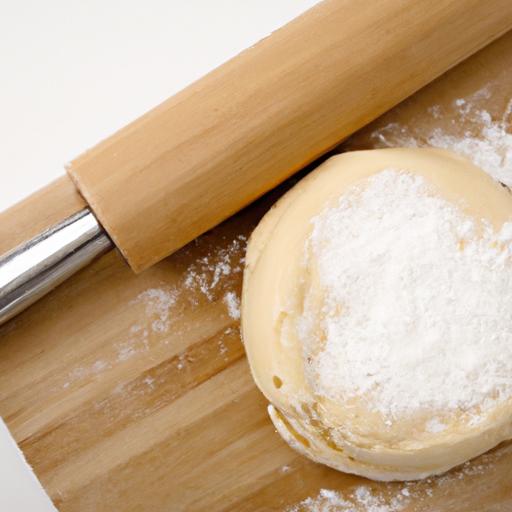


in the ever-expanding world of gluten-free baking, finding the perfect all-purpose flour can feel like searching for a needle in a haystack. Whether you’re crafting fluffy cakes, tender cookies, or hearty bread, the right flour blend is the secret ingredient that transforms ordinary recipes into extraordinary delights. Gone are the days when gluten-free meant compromising on texture and flavor-today’s all-purpose gluten-free flours combine innovation wiht nutrition, offering bakers a versatile foundation for every culinary creation. Join us as we explore the top gluten-free all-purpose flours that rise to the occasion, proving that delicious, inclusive baking is not just possible, but truly enjoyable for everyone.
Top Gluten-Free All-Purpose Flours for Every Baking Need opens the door to a world where creating sumptuous, naturally gluten-free baked goods is effortless and enjoyable. Whether you’re a seasoned baker or just starting your gluten-free journey, understanding the unique qualities of each flour can transform your kitchen into a bakery filled with aroma, texture, and flavor that rivals any traditional recipe.
Choosing the Perfect Gluten-Free Flour for Your Baking Style
Every flour has its personality-some are nutty and dense, others light and tender. For example, almond flour brings moisture and richness, perfect for cakes and muffins, while brown rice flour offers a mild flavor and firmer crumb ideal for bread-like structures. Using top gluten-free all-purpose flours tailored to your style ensures your creations rise beautifully and satisfy delicate palates.
Exploring the Nutritional Benefits of Popular Gluten-Free Flours
Beyond texture, these flours pack nutritional punch. Chickpea flour stands out for its high protein and fiber content, supporting satiety and digestion. Tapioca flour is prized for giving elasticity, boosting chewiness without extra fat. Utilizing top gluten-free all-purpose flours means you’re not just crafting sweetness – you’re nourishing your body with every bite.
How to Blend Gluten-Free Flours for Optimal Texture and Flavor
The magic often happens in the blend. Combining flours like sorghum (for a mild sweetness),potato starch (for fluffiness),and millet (for a subtle corn-like taste) creates a balanced profile. Start with a ratio of 40% whole grain flours and 60% starches, adjusting based on the recipe’s needs. Mastering top gluten-free all-purpose flours blends is the secret behind perfect crumb,moisture,and flavor.
Expert Recommendations for Versatile All-Purpose Gluten-Free Flours
For those who crave simplicity with reliable results, blends like Bob’s Red Mill Gluten-Free 1-to-1 Baking Flour or Cup4Cup provide a stellar starting point. they incorporate xanthan gum or guar gum to mimic gluten’s binding properties, ensuring your baked goods hold together with a tender crumb. Using such trusted top gluten-free all-purpose flours can save time and grant confidence as you experiment with classic and creative recipes alike.
Prep and Cook Time
- Preparation Time: 15 minutes
- Cook Time: Varies by recipe (typically 25-40 minutes)
Yield
Depends on recipe size; typically makes 12 muffins or one 9-inch cake
Difficulty Level
Easy to Medium, depending on selected recipe
Ingredients
- 1 cup gluten-free all-purpose flour blend (look for blends with a mix of rice, potato starch, and tapioca starch)
- 1/2 teaspoon xanthan gum (if your blend doesn’t include it)
- 1 teaspoon baking powder
- 1/4 teaspoon salt
- 1/2 cup almond flour (for added moisture and tenderness)
- 1/4 cup coconut sugar (or your preferred natural sweetener)
- 2 large eggs, room temperature
- 3/4 cup unsweetened almond milk (or any other milk alternative)
- 1/4 cup melted coconut oil or neutral oil like avocado oil
- 1 teaspoon pure vanilla extract
Instructions
- Preheat your oven to 350°F (175°C). Grease or line your baking pan or muffin tin with parchment paper for easy removal.
- In a large bowl, whisk together the gluten-free all-purpose flour blend, xanthan gum, baking powder, salt, almond flour, and coconut sugar until fully combined and aerated.
- In a separate bowl, beat the eggs thoroughly, then add the unsweetened almond milk, melted coconut oil, and vanilla extract. Mix well to blend the liquids.
- Gradually pour the wet ingredients into the dry ingredients while gently stirring with a spatula. Aim for a homogenous batter without overmixing,which keeps your final bake tender.
- Pour the batter evenly into your prepared pan or muffin cups. Tap gently on the counter to release any air bubbles, helping the rise stay even.
- Bake for 25-40 minutes, depending on the size and type of baked good. Check doneness by inserting a toothpick in the center-it should come out clean or with just a few moist crumbs.
- Let cool completely on a wire rack before slicing or serving, allowing the texture to set and flavors to deepen.
Chef’s Notes
- Substitutions: Swap almond flour for ground sunflower seeds if nut allergies are a concern.
- Binding agents: If your blend lacks xanthan gum, use 1 teaspoon of guar gum or 1 tablespoon of ground flaxseed mixed with water (let sit 5 minutes).
- Storage: Keep baked goods in an airtight container at room temperature for up to three days or freeze for longer freshness.
- Moisture balance: Gluten-free flours absorb liquids differently-add almond milk gradually if batter feels too thick before baking.
Serving Suggestions
Present your gluten-free creations with a dusting of powdered sugar or a light drizzle of honey or maple syrup. Fresh berries, a dollop of coconut whipped cream, or a sprinkle of toasted nuts make lovely garnishes. For savory options, incorporate fresh herbs or seeds into your flour blends to elevate flavor profiles beautifully.

| Nutrient | Per 1/4 Cup Serving |
|---|---|
| Calories | 110 |
| Protein | 3g |
| Carbohydrates | 22g |
| Fat | 2g |
For more inspiration on gluten-free baking techniques and unique flours, explore our detailed Gluten-Free Baking Basics guide. To deepen your understanding of gluten-free nutrition, the Celiac Disease Foundation offers excellent expert resources.
Q&A
Q&A: Top Gluten-Free All-Purpose Flours for Every Baking Need
Q1: What makes a good gluten-free all-purpose flour?
A good gluten-free all-purpose flour blends several gluten-free grains and starches to mimic the texture, elasticity, and flavor of traditional wheat flour. It needs to provide structure, moisture retention, and a neutral flavor so your baked goods rise properly and taste delightful.
Q2: Can I substitute regular flour directly with gluten-free all-purpose flour?
Often yes, but not always one-to-one.Many high-quality gluten-free blends are designed to be a 1:1 replacement in recipes, especially if they contain xanthan gum or guar gum to help with binding. Still, some recipes may benefit from a bit of extra moisture or binding agents depending on the flour blend used.
Q3: What are some popular gluten-free all-purpose flours on the market?
Popular blends often include rice flour, tapioca starch, potato starch, and sometimes sorghum or millet flour.Brands like Bob’s Red Mill Gluten-Free 1-to-1 Baking Flour, Cup4Cup, King Arthur Gluten-Free Measure for Measure, and Pillsbury Gluten-Free All Purpose Flour are favorites among home bakers and pros alike.
Q4: Do gluten-free all-purpose flours work for all types of baking?
Most do a great job across a wide range-from cookies and muffins to pancakes and quick breads. However, for delicate pastries or yeasted breads, you might want specialized blends or additional tweaks for the best texture and rise.
Q5: How can I improve my gluten-free baking results using these flours?
Try adding a bit of extra egg, flaxseed meal, or xanthan gum if your blend doesn’t include it, to boost binding. Also,don’t overmix your batter or dough-gluten-free flours can get gummy if overworked. let batters rest before baking to hydrate properly and create better texture.
Q6: Are gluten-free all-purpose flours suitable for people with other dietary restrictions?
Many blends are also dairy-free, nut-free, and soy-free, but always check labels. Some flours might contain traces of nuts or other allergens if processed in shared facilities. The beauty of gluten-free blends is their versatility-there’s likely an option to suit most dietary needs.
Q7: Can I make my own gluten-free all-purpose flour blend at home?
Absolutely! A simple DIY blend might include brown rice flour, tapioca starch, and potato starch in a mix such as 1 cup brown rice flour, 1/3 cup tapioca starch, and 2/3 cup potato starch.Customize as you go to suit your taste and baking style!
Q8: How should I store gluten-free flours?
Store them in a cool, dry place, ideally airtight, to keep them fresh and prevent any moisture absorption. Some flours, like those made from whole grains, fare better in the refrigerator or freezer to prevent rancidity.
Q9: Do gluten-free flours affect the flavor of baked goods?
Some do, especially those containing nutty or earthy flours like sorghum or teff. Blended flours tend to be milder and more neutral, making them a good choice if you want classic flavors without the “off” notes sometimes associated with single-grain flours.
Q10: What’s the best way to experiment with gluten-free all-purpose flours?
Start with your favorite recipes and swap in a trusted gluten-free blend prepared for a 1:1 substitution. Take notes on texture, rise, and flavor, then adjust moisture or binders as needed. With a bit of creativity, your gluten-free baking can shine equally radiant as traditional wheat-based treats!
In Summary
Whether you’re crafting delicate cookies, hearty breads, or fluffy cakes, the right gluten-free all-purpose flour can make all the difference in your baking adventures. By choosing from the top options we’ve explored, you’re not just substituting an ingredient-you’re unlocking new textures, flavors, and possibilities that celebrate both creativity and dietary needs. So go ahead, experiment boldly, and let these versatile flours be the foundation of your next delicious masterpiece. Happy baking!