

Zero Waste Vegan Meal Prep: In a world increasingly aware of our environmental footprint, the way we eat has become a powerful tool for change. enter zero waste vegan meal prep-a deliciously simple solution that marries conscious cooking with sustainability. Imagine nourishing your body with vibrant, plant-based meals while generating little to no trash, all planned ahead to save time and reduce stress. This approach doesn’t just transform your kitchen habits; it reshapes your relationship with food, waste, and the planet. Join us as we explore the art of zero waste vegan meal prep, where every ingredient counts, every crumb is cherished, and sustainable eating is made effortlessly achievable.
Planning Your Zero Waste Vegan Pantry for Year-Round freshness
Zero Waste Vegan Meal Prep: Sustainable Eats Made Simple begins with intentional pantry planning — an artful balance between smart sourcing and mindful storage that keeps your plant-based ingredients vibrant and versatile throughout the seasons. Imagine opening your pantry to a curated selection of staples that not only minimize food waste but inspire creativity with each meal you prepare through Zero Waste Vegan Meal Prep.
Start your Zero Waste Vegan Meal Prep by focusing on multipurpose ingredients like dried legumes, whole grains, nuts, and seeds that store well for months. Incorporate seasonal produce in smaller quantities, preserved through simple dehydration or freezing techniques, allowing for fresh textures and flavors all year. Creative ingredient swaps — like using vegetable scraps for homemade broths or transforming overripe fruits into luscious breakfast bowls — ensure nothing goes to waste and every bite counts.
Prep and Cook Time
- Prep Time: 15 minutes
- Cook Time: 30 minutes (plus batch cooking time, if desired)
Yield
Serves 4-6 servings, perfect for meal prepping and transforming leftovers.
Difficulty Level
Easy to Medium: Ideal for cooks looking to optimize sustainability with minimal hassle.
Ingredients
- 1 cup dried chickpeas, soaked overnight and rinsed
- 2 cups assorted seasonal vegetables (carrots, bell peppers, zucchini), roughly chopped
- 1 cup cooked brown rice or quinoa
- 4 cloves garlic, minced
- 1 tablespoon fresh ginger, grated
- 2 tablespoons olive oil or avocado oil
- 1 teaspoon turmeric powder
- 1 teaspoon smoked paprika
- salt and freshly ground black pepper, to taste
- 1 cup kale or spinach leaves, chopped
- Juice of 1 lemon
- Optional garnish: fresh parsley, toasted pumpkin seeds, and a drizzle of tahini
Instructions
- Prepare the chickpeas: After soaking overnight, drain and rinse the chickpeas. Cook them in boiling water for 25-30 minutes until tender but firm. Drain and set aside.
- Sauté aromatics: In a large skillet, heat olive oil over medium heat.Add minced garlic and grated ginger. Sauté until fragrant, about 2 minutes, stirring frequently to avoid burning.
- Add vegetables: Toss in chopped seasonal vegetables and sauté for 5 to 7 minutes. Stir occasionally until veggies are tender-crisp and lightly caramelized for maximum flavour.
- Spice it up: Sprinkle turmeric, smoked paprika, salt, and black pepper over the vegetables. Stir well so the spices coat every morsel evenly.
- Mix in grains and greens: Gently fold in the cooked chickpeas, brown rice or quinoa, and chopped kale or spinach. Cook for another 3-4 minutes, allowing the greens to wilt while ingredients combine beautifully.
- Finish with brightness: Remove from heat and stir in fresh lemon juice for a refreshing balance that brightens the dish.
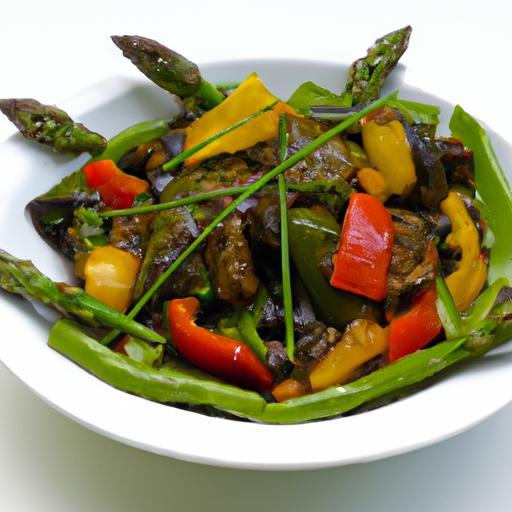
- Plate and garnish: Serve warm,topped with a sprinkle of toasted pumpkin seeds,fresh parsley,and an optional drizzle of creamy tahini for an added luxurious texture.
Chef’s Notes: Tips for Success
- Batch cooking bonus: Prepare double portions of chickpeas and grains to store in airtight containers. Use later in salads, stir-fries, or nourishing bowls to save time and reduce waste.
- Ingredient swaps: Substitute kale with collard greens or Swiss chard depending on your season and availability. If fresh lemon isn’t on hand, a splash of apple cider vinegar works well.
- Preserve freshness: Store herbs in a damp paper towel inside a sealed container to maintain vibrancy longer.
- Prevent sogginess: Keep cooked ingredients separate until ready to serve, especially if meal prepping, to retain texture integrity.
Serving Suggestions
This wholesome, zero waste vegan meal shines on its own but becomes unusual when paired with vibrant sides like a crunchy cabbage slaw or spiced roasted sweet potatoes. Garnish with fresh herbs for an inviting pop of color and texture. Drizzling a dollop of cashew cream or nut-based yogurt adds luscious, creamy contrast that delights the palate.
| Nutrient | Per Serving |
|---|---|
| Calories | 320 kcal |
| Protein | 14 g |
| Carbohydrates | 45 g |
| Fat | 8 g |

For more innovative tips on sustaining your plant-based lifestyle with minimal waste, check out our Plant-Based Kitchen Sustainability Guide. You can also explore nutrient-rich vegan pantry essentials at Choose Vegan.
Q&A
Q&A: Zero Waste Vegan Meal Prep – Sustainable Eats Made Simple
Q1: What exactly is zero waste vegan meal prep?
A: zero waste vegan meal prep is the art of planning,preparing,and storing plant-based meals while minimizing food waste and packaging. It’s about using every part of your ingredients, choosing packaging-free or reusable containers, and embracing creativity to turn leftovers and scraps into delicious, nutritious dishes.Think of it as mindful eating that respects both the planet and your palette!
Q2: Why combine zero waste principles with vegan meal prep?
A: Veganism focuses on plant-based eating, which is already more sustainable than animal-based diets. Adding zero waste principles takes it a step further by reducing food and packaging waste, conserving resources, and lessening your ecological footprint. Together, they make your meals not just kind to animals but also gentle on the Earth.
Q3: How can I start zero waste vegan meal prepping if I’m new to both?
A: Plan meals around versatile ingredients like beans, grains, and seasonal veggies. Buy in bulk with reusable bags, and use the whole ingredient—stems, leaves, and all. Store meals in durable, reusable containers to avoid plastic waste.
Q4: What are some clever ways to reduce waste in vegan meal prep?
A: Turn veggie scraps into homemade broth or baked chips. Use overripe fruit for smoothies or baking, and save cooking water for soups and sauces. Compost anything you can’t reuse to give back to the earth.
Q5: Can zero waste meal prepping save time and money?
A: Yes! Buying in bulk and batch cooking cuts down shopping trips and food waste. You’ll stretch your budget, always have healthy meals ready, and avoid takeout—saving both time and money.
Q6: What are some staple ingredients for zero waste vegan meal prep?
A: Stock up on versatile items like lentils, chickpeas, rice, oats, leafy greens, root vegetables, herbs, and nuts. whole grains and legumes keep well and can morph into a variety of meals, while sturdy veggies and herbs can add flavor and texture without a lot of waste. Don’t forget to reuse things like herb stems in pestos or sauces!
Q7: How do I store my zero waste vegan meals to keep them fresh?
A: Use glass jars, stainless steel containers, or silicone bags-these are all reusable and great for meal storage. Make sure to cool food before storing to maintain quality, and label your meals with dates to ensure nothing gets forgotten. When possible, freeze portions to extend shelf life and have ready-to-eat meals at your fingertips.
Q8: What about snacks and treats-can they fit into zero waste vegan meal prep?
A: Definitely! Homemade energy balls, roasted chickpeas, or baked fruit crisps are easy to make in bulk with minimal packaging waste. Preparing snacks at home means you control ingredients, reduce processed plastics, and avoid needless additives. Store them in reusable containers for grab-and-go goodness!
Q9: How can I maintain variety without creating waste?
A: Embrace seasonal produce and swap ingredients depending on what’s fresh and available locally. Use spice blends and sauces to transform similar base ingredients into different flavor profiles. Rotate your meal templates each week and try batch cooking modular components-like grains, roasted veggies, and proteins separately-to mix and match creatively throughout the week.
Q10: Where can I find inspiration and support for zero waste vegan meal prep?
A: There’s a thriving community of zero waste and plant-based enthusiasts online-blogs, social media groups, and sustainable living forums are great places to start.Many share recipes, shopping tips, and hacks for minimizing waste. Getting involved can keep you motivated and spark creative ideas for your next batch of sustainable meals.
Embrace zero waste vegan meal prep as a delicious journey toward sustainability-where every bite is a small act of kindness to the planet!
To Wrap It Up