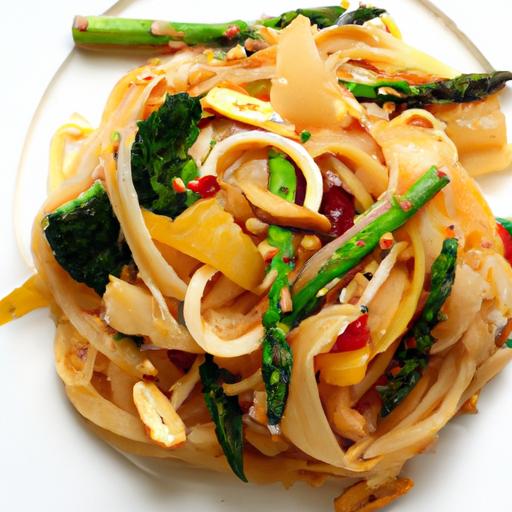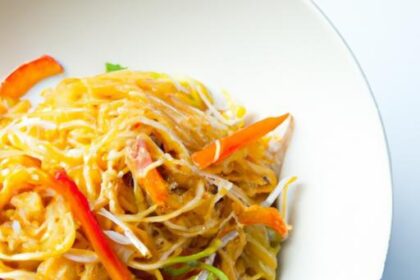

In a world where culinary traditions weave stories across continents, Gluten-Free Noodles stand out as a beloved staple that bridges cultures and flavors. Yet, for those navigating the challenges of gluten intolerance, the quest for authentic, satisfying Gluten-Free Noodle dishes can feel like a daunting journey. Enter “Taste Asia: Irresistible Gluten-Free Noodle Delights”—a party of vibrant, inventive Asian cuisine that delights the palate without compromising dietary needs. From silky rice Gluten-Free Noodles to hearty buckwheat soba, these Gluten-Free Noodle treasures invite you to embark on a flavorful adventure where every bite tells a tale of heritage, health, and happiness. Join us as we explore the diverse textures and tantalizing tastes that make Gluten-Free Noodles truly irresistible.
Gluten-Free Noodles have captured my culinary heart, transforming everyday meals into colorful celebrations of texture and taste. With a rich legacy originating from the bustling streets of Southeast Asia, these Gluten-Free Noodles bring together the perfect harmony of tradition and innovation. Using naturally Gluten-Free Noodle ingredients such as rice, mung beans, and sweet potato starch, these noodles embody authenticity while embracing modern twists that cater to diverse dietary preferences.
Prep and Cook Time
- Preparation: 15 minutes
- Cooking: 12 minutes
- Total Time: 27 minutes
Yield
- Servings: 4 generous portions
Difficulty Level
- Medium – perfect for those comfortable with some multi-step cooking techniques
Ingredients
- 200g rice noodles (preferably thin, gluten-free, soaked in warm water for 10 minutes)
- 1 tbsp sesame oil
- 2 tbsp tamari sauce (gluten-free soy sauce choice)
- 1 tbsp freshly grated ginger
- 3 cloves garlic, finely minced
- 1 cup sliced shiitake mushrooms (fresh or dried and rehydrated)
- 1 medium carrot, julienned
- 1 red bell pepper, thinly sliced
- 2 green onions, chopped
- 1 tbsp toasted sesame seeds
- 1 tbsp fresh lime juice
- Fresh cilantro leaves for garnish
- Optional: 1 tsp chili flakes for heat
instructions
- Drain the soaked rice noodles and set aside to gently dry on a clean towel. This ensures they won’t clump during stir-fry.
- Heat the sesame oil in a large non-stick skillet or wok over medium-high heat until shimmering.
- Add the minced garlic and grated ginger, sautéing for about 1 minute until fragrant but not browned.
- Introduce the shiitake mushrooms and stir-fry for 4-5 minutes until tender and slightly golden.
- Add the carrot and red bell pepper, tossing continuously for 2-3 minutes to retain their crispness and vibrant colors.
- Carefully fold in the drained rice noodles, than drizzle the tamari sauce evenly over the mixture.
- Toss everything gently to ensure even coating. Stir-fry for 2-3 minutes until noodles are glossy and heated through.
- Remove from heat and stir in lime juice and chili flakes if using for a luminous, spicy kick.
- Sprinkle with toasted sesame seeds and chopped green onions before transferring to serving bowls.
- Garnish generously with fresh cilantro leaves for an aromatic finish.
chefs Notes & Tips for Success
- Rice noodles vary in thickness-adjust soaking and cook times accordingly to avoid mushiness.
- For extra protein, consider adding firm tofu cubes or sautéed shrimp, ensuring they’re cooked before adding vegetables.
- Substitute tamari with coconut aminos if you prefer a slightly sweeter, soy-free alternative.
- Prep veggies ahead of time to keep the stir-fry quick and dynamic.
- Control moisture by drying noodles thoroughly-this prevents them from sticking and breaking apart.
- Optional garnishes: crushed peanuts or sliced fresh chili enhance texture and spice levels.
Serving Suggestions
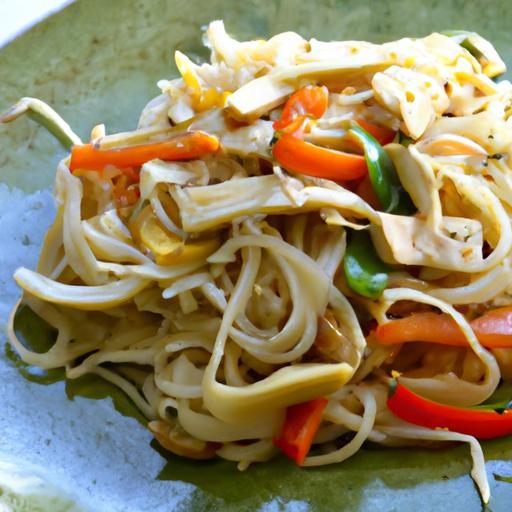
Present your gluten-free Asian noodles hot from the skillet in colorful bowls to emphasize the vibrant vegetable medley. Pair with a crisp side salad of shredded cabbage tossed in a light sesame dressing or enjoy alongside steamed edamame for balanced nutrition. For a refreshing finish, serve with a wedge of lime and a sprinkling of fresh herbs. These noodles also shine as a centerpiece in a themed dinner party, where guests can customize their bowls with condiments such as pickled radishes, chili oil, or crushed cashews.
| Nutrient | Per Serving |
|---|---|
| Calories | 330 kcal |
| Protein | 7g |
| Carbohydrates | 60g |
| Fat | 6g |

Where to source authentic gluten-free Asian noodles and ingredients
For the freshest ingredients and specialty gluten-free noodles, visit your local Asian markets or health food stores, where rice, mung bean, and sweet potato-based noodles abound. Online retailers such as Thrive Market offer reliable options with clear gluten-free labels. When purchasing tamari or other sauces, check labels diligently to guarantee gluten-free certification. For more inspiration,explore related recipes featuring gluten-free Asian staples on our Gluten-Free Asian recipes page to continue your culinary journey.
Q&A
Q&A: Taste Asia - irresistible Gluten-Free Noodle Delights
Q1: What makes Asian noodles a fantastic gluten-free option?
A1: Many traditional asian noodles are made from rice, mung beans, or sweet potatoes, naturally free of gluten. Rice noodles, for example, offer a light, tender texture that soaks up flavors beautifully. These noodles let you experience authentic dishes without worrying about gluten sensitivities.
Q2: Which types of gluten-free Asian noodles are commonly used in cooking?
A2: Popular gluten-free noodles include rice vermicelli, glass noodles (made from mung bean starch), and sweet potato noodles.Each has a unique texture: rice vermicelli is soft and versatile, glass noodles are chewy and translucent, and sweet potato noodles bring a satisfying bite, perfect for stir-fries or soups.
Q3: How can you ensure gluten-free noodles retain their perfect texture when cooking?
A3: Timing is everything! Soak or boil gluten-free noodles according to package instructions but keep an eye on their texture.They shoudl be tender yet firm. Rinsing rice and glass noodles in cold water after cooking stops the cooking process and prevents mushiness,helping maintain that delightful bounce.
Q4: Classic gluten-free Asian noodle dishes to try at home
A4: Enjoy Pad Thai with rice noodles, Korean Japchae with sweet potato noodles, or Vietnamese Pho using rice noodles for a fragrant, comforting bowl.
Q5: Tips for making traditional Asian noodles gluten-free
A5: Swap wheat noodles for gluten-free varieties and use tamari or coconut aminos instead of soy sauce. Add fresh herbs, citrus, and toasted sesame oil to boost flavor naturally.
Q6: How can gluten-free asian noodle dishes be made more nutritious?
A6: Incorporate a rainbow of vegetables-crisp bell peppers, vibrant carrots, leafy spinach-to boost fiber and vitamins. Add plant-based proteins like tofu or edamame for a protein punch. Topping your dish with toasted sesame seeds or crushed peanuts not only adds crunch but also healthy fats.Q7: What’s the best way to enjoy gluten-free Asian noodles on the go?
A7: Prepare noodle salads with chilled rice vermicelli,fresh herbs like mint and cilantro,crisp vegetables,and a tangy dressing. These make refreshing and portable meals. Keep the dressing separate until you’re ready to eat, so the noodles stay delightfully firm.
Q8: Can gluten-free Asian noodles be used in fusion cuisine?
A8: Definitely! Their versatile texture and mild flavor make them a perfect base for innovative dishes. Imagine rice noodles tossed with Mediterranean roasted vegetables or sweet potato noodles served with a spicy avocado sauce. The possibilities are endless when you blend tradition with creativity.
Enjoy the vibrant world of gluten-free Asian noodles – a appetizing adventure that’s as wholesome as it is flavorful!
Future Outlook
As we wrap up our flavorful journey through the vibrant world of gluten-free Asian noodles, it’s clear that culinary tradition and dietary mindfulness can beautifully intertwine. From the chewy delight of rice noodles to the hearty embrace of shirataki, these gluten-free options don’t just accommodate dietary needs-they elevate every bite with authentic textures and tastes. Whether you’re a seasoned foodie or a curious newcomer, embracing these noodle delights invites you to savor Asia’s rich culinary heritage without compromise. So next time hunger calls, let your palate wander through these irresistible gluten-free treasures and discover a whole new spectrum of taste that’s as nourishing as it is indeed delicious.