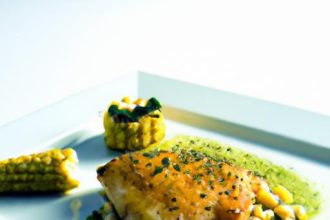

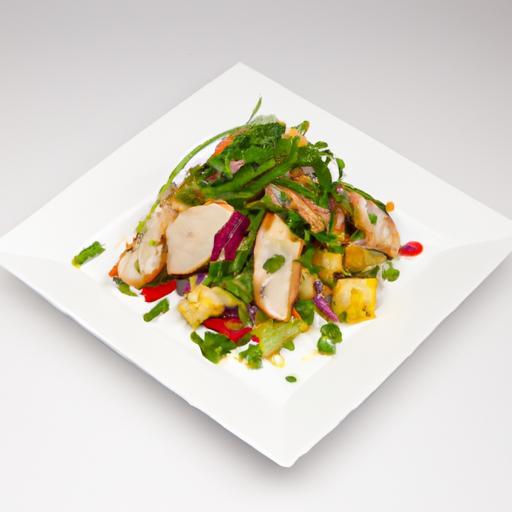
In a world where energy is currency and well-being is a constant pursuit,how we fuel our bodies has never been more vital. Enter teh high-fat, low-carb meal plan-a strategic approach that’s redefining nutrition by turning conventional eating habits on their head. This isn’t just a diet; it’s a savvy way to harness the power of fats to keep you energized, focused, and satiated throughout the day. Whether you’re looking to shed stubborn pounds, boost mental clarity, or simply break free from carb crashes, “Fuel Your Body” is your ultimate guide to mastering meals that nourish, satisfy, and transform. Ready to unlock a new level of vitality? Let’s dive into the flavorful world of high-fat, low-carb living.
understanding the Science Behind High-Fat Low-Carb Nutrition
Fuel Your Body: The Ultimate High-Fat, Low-Carb Meal Plan offers more than just delicious recipes - it’s a deep dive into how fat fuels your energy, sharpens mental clarity, and sustains fullness throughout the day. When carbohydrates are limited, your metabolism shifts into fat-burning mode, producing ketones that power your cells efficiently. This metabolic magic requires a thoughtful selection of healthy fats to keep your body energized without the energy slumps typically caused by carb cravings.
Selecting the Most Nutrient-Dense fats for Optimal Energy
Choosing fats rich in omega-3s, monounsaturated fats, and medium-chain triglycerides (MCTs) is crucial. Ingredients like avocado oil, extra virgin olive oil, fatty fish, nuts, and seeds become your new kitchen staples.these fats not only provide sustained energy but also support heart and brain health, making every bite purposeful. Incorporating coconut oil or MCT oil can ignite rapid energy release, ideal for focused work or workouts.
Crafting balanced Meals That Keep You Full and Focused
Balance is key-pair your high-fat foods with moderate protein and low-carb fibrous veggies to maintain steady blood sugar and avoid energy crashes. Think creamy avocado mashed atop a bed of sautéed spinach drizzled with nutty extra virgin olive oil or a vibrant salad tossed with crunchy walnuts and rich feta cheese. The texture and taste of high-fat dishes engage your senses while satiating hunger, keeping you fueled and mentally sharp for hours.
Tips and Tricks for Seamlessly Adapting to Your New Meal Plan
Transitioning to a high-fat, low-carb lifestyle can feel challenging at first. Gradual shifts help your body adjust-start by replacing refined carbs with wholesome fats in snacks and breakfasts. Use herbs and spices liberally to keep meals exciting and avoid fatigue. Hydration is essential; adding electrolytes promotes balance and helps prevent the common “keto flu” symptoms. Meal prep with batch-cooked fats like clarified butter or roasted nuts streamlines cooking and keeps you committed. Persistence and creativity unlock the joy of this nourishing eating style.
Recipe Spotlight: Creamy Avocado & Herb Salmon Bowl
Prep and Cook Time
Readiness: 10 minutes
Cooking: 15 minutes
Yield
serves 2 generous bowls
Difficulty Level
Easy to Medium
Ingredients
- 2 skin-on salmon fillets (6 oz each)
- 1 tbsp avocado oil, plus extra for drizzling
- 1 ripe avocado, peeled and pitted
- 1/4 cup Greek yogurt (unsweetened, full fat)
- 1 tbsp freshly chopped dill
- 1 tbsp freshly chopped parsley
- 1 clove garlic, minced
- 1 tbsp fresh lemon juice
- 2 cups baby spinach leaves
- 1/4 cup toasted walnuts, coarsely chopped
- Salt and freshly ground black pepper, to taste
- Optional: red chili flakes for heat
Instructions
- preheat your oven to 400°F (200°C). Line a baking sheet with parchment paper.
- Pat dry the salmon fillets and rub with avocado oil, salt, and pepper. Place skin-side down on the sheet.
- bake for 12-15 minutes, until salmon flakes easily with a fork. Remove and set aside.
- meanwhile, prepare the creamy avocado herb sauce: In a blender or food processor, combine avocado, Greek yogurt, dill, parsley, garlic, lemon juice, salt, and pepper. Blend until smooth and creamy. Adjust seasoning to taste.
- Toss baby spinach lightly with a drizzle of avocado oil and a pinch of salt.
- To assemble: Divide spinach between two bowls. Top each with a salmon fillet.
- Generously spoon the creamy avocado herb sauce over the salmon. Garnish with toasted walnuts and an optional sprinkle of red chili flakes for a subtle kick.
- Serve immediately with lemon wedges on the side to brighten each bite.
Chef’s Notes
- Salmon Substitution: use wild-caught trout or cod for variation without compromising fat content.
- Make-Ahead: Prepare the avocado sauce up to 24 hours in advance – store in an airtight container with plastic wrap pressing directly on the surface to prevent browning.
- Nut-Free Option: Substitute walnuts with toasted pumpkin seeds to maintain crunch and nutrients.
- Boost Your Omegas: Sprinkle extra flaxseeds or chia seeds atop your bowls before serving.
- Cooking Tip: Check salmon early to avoid overcooking; a moist flaky texture ensures optimal fats and flavor.
Serving Suggestions
This vibrant bowl pairs beautifully with a crisp cucumber salad or fermented pickles to add refreshing acidity.For inviting herbaceous notes, garnish with fresh basil leaves, microgreens, or edible flowers like nasturtium.Serve alongside sparkling water infused with lemon and mint to cleanse the palate and hydrate.

| Nutrient | Per Serving |
|---|---|
| Calories | 550 kcal |
| Protein | 38 g |
| Carbohydrates | 8 g |
| Fat | 38 g |
To further enhance your journey with this nourishing approach, explore our collection of keto-friendly vegetable side dishes. For an in-depth scientific perspective on fats and brain health, visit Harvard T.H.Chan School of Public Health.
Q&A
Q&A: Fuel Your Body – The Ultimate High-Fat, Low-Carb Meal Plan
Q1: What exactly is a high-fat, low-carb meal plan, and why is it gaining so much attention?
A1: A high-fat, low-carb meal plan focuses on fueling your body primarily with healthy fats while drastically reducing carbohydrate intake. this combination encourages your body to enter a fat-burning state called ketosis, where fat becomes the primary energy source rather of glucose. it’s gaining popularity because many people experiance increased energy, mental clarity, and steady blood sugar levels when following this lifestyle.
Q2: Which types of fats should I include in my meals to maximize health benefits?
A2: Embrace fats from sources like avocados, olive oil, nuts, seeds, coconut oil, and fatty fish like salmon. These fats support heart health, brain function, and inflammation reduction. Avoid trans fats and highly processed oils for best results.
Q3: How can I structure my meals throughout the day to stay satisfied and energized?
A3: Aim for balanced meals that combine high-quality fats, moderate protein, and minimal carbs. For breakfast, think scrambled eggs with spinach sautéed in coconut oil. Lunch might be a colorful salad tossed with olive oil and topped with grilled chicken or salmon. Dinner could feature roasted vegetables alongside creamy avocado slices and a generous drizzle of flaxseed oil.
Q4: What are some delicious,low-carb vegetables that complement a high-fat diet?
A4: Leafy greens like kale,spinach,and arugula are excellent choices. Also, asparagus, zucchini, cauliflower, and Brussels sprouts provide texture and nutrients without piling on the carbs. roasting or sautéing these veggies in healthy fats enhances flavor while keeping carbs low.
Q5: How does this meal plan affect cravings and appetite?
A5: Healthy fats are satiating, meaning they help keep hunger at bay. When you eat enough fat, it stabilizes your blood sugar, reducing sudden cravings for sugary or carb-heavy snacks. Many people report feeling fuller longer and experiencing fewer energy dips throughout the day.
Q6: Can athletes or active individuals follow a high-fat, low-carb meal plan without compromising performance?
A6: Absolutely! While customary wisdom emphasizes carbs for energy, many athletes thrive on fat-fueled endurance. When properly adapted, your body becomes efficient at tapping into fat stores for sustained activity. Adjusting fat and protein intake can support muscle recovery and overall performance.
Q7: What are some quick snacks that fit into this high-fat, low-carb lifestyle?
A7: Keep satisfying snacks on hand like a handful of macadamia nuts, celery sticks with almond butter, cheese slices, or olives. these options provide healthy fats and minimal carbs-perfect for keeping fuel levels steady between meals.Q8: How do I ease into a high-fat, low-carb meal plan without feeling overwhelmed?
A8: start by gradually swapping out high-carb foods for healthy fats. Replace cereal breakfasts with eggs cooked in butter or coconut oil. Swap rice or bread for cauliflower rice or leafy greens. Give yourself time to adapt, and experiment with spices and herbs to keep meals exciting.
Q9: Are there any common pitfalls to avoid on this meal plan?
A9: Beware of hidden carbs lurking in sauces, dressings, and processed foods. Also, don’t neglect hydration and electrolyte balance-diets low in carbs can deplete minerals like sodium and potassium. Include bone broth or add a pinch of sea salt to your meals to stay balanced.
Q10: How can I measure progress beyond just the scale when following this meal plan?
A10: Focus on how you feel: increased mental clarity, sustained energy, improved digestion, and better sleep are all positive markers. you might also notice improved skin health and reduced inflammation. Tracking your mood and physical performance can reveal improvements more meaningful than pounds alone.
Fuel your body wisely and enjoy the journey through fat-powered vitality!
Key Takeaways
As you embark on your high-fat, low-carb journey, remember that fueling your body is more than a matter of calories-it’s about choosing nourishment that empowers every cell and sparks lasting vitality.This ultimate meal plan isn’t just a roadmap; it’s an invitation to rethink how you eat, to embrace fats that fuel rather than weigh you down, and to savor vibrant meals that support your goals. So grab your skillet, gather your ingredients, and dive into a lifestyle where flavor meets function-because the best fuel is the one that energizes both body and mind. Hear’s to eating well,feeling unstoppable,and thriving one delicious bite at a time.