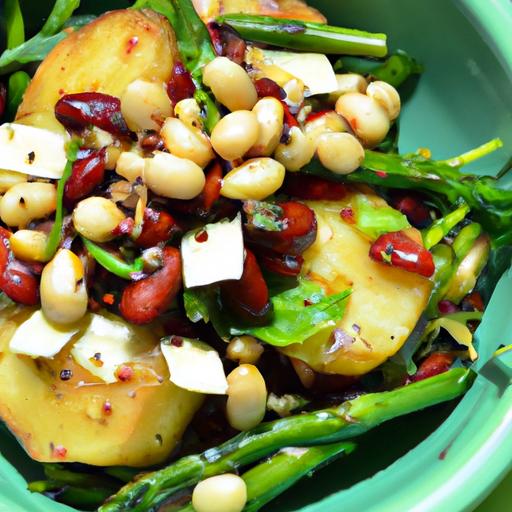





In a world buzzing with fast fixes and fleeting food trends, “Nourish Smart: Affordable Whole Foods Plant-Based Living” invites you to slow down and reconnect—with your plate, your health, and the planet. Imagine vibrant meals brimming with nature’s simplest, most powerful ingredients, crafted not only to satisfy your hunger but to fuel your body and spirit without breaking the bank. This article unfolds the art of embracing Foods Plant-Based Living in a way that’s accessible, enduring, and delightfully wallet-friendly. Whether you’re a curious newcomer or a seasoned green eater, get ready to discover how Foods Plant-Based Living can transform your lifestyle, one affordable bite at a time.
Budget-Friendly Staples for a Nourishing Pantry
Nourish Smart: Affordable whole Foods Plant-Based Living begins with understanding how to build a pantry filled with versatile, nutrient-dense staples that won’t break the bank. These foundational ingredients transform simple meals into vibrant dishes that satisfy both the body and soul. Drawing from years of culinary creativity and food styling experience, this section unlocks the secrets to stocking your kitchen in a way that inspires flavorful, wholesome cooking every day—making Foods Plant-Based Living both practical and enjoyable for everyone.
Prep and Cook Time
- Prep Time: 15 minutes
- Cook Time: 30 minutes
Yield
Serves 4 generous portions
Difficulty Level
Easy – Perfect for beginners and seasoned home cooks alike
Ingredients
- 1 cup dry brown lentils, rinsed
- 1 tablespoon olive oil or avocado oil
- 1 medium yellow onion, diced
- 3 cloves garlic, minced
- 2 medium carrots, peeled and chopped
- 1 celery stalk, chopped
- 1 teaspoon ground cumin
- 1 teaspoon smoked paprika
- 1/2 teaspoon dried thyme
- 4 cups low-sodium vegetable broth
- 1 can (14.5 oz) diced tomatoes, no salt added
- salt and black pepper, to taste
- Fresh parsley or cilantro, chopped (for garnish)
- 1 cup cooked quinoa or brown rice, to serve
Instructions
- Heat oil in a large saucepan over medium heat. Add the diced onion, cooking until it becomes translucent and fragrant, about 5 minutes.
- Sauté garlic for 1 minute until aromatic, careful not to let it brown and become bitter.
- Add carrots and celery, stirring well. Cook for another 5 minutes until veggies soften but still retain a slight bite.
- Stir in the cumin, smoked paprika, and thyme.Toast the spices for 30 seconds to release their full flavor.
- Add rinsed lentils, diced tomatoes, and vegetable broth.Bring the mixture to a boil, than reduce heat to low and simmer uncovered for 25-30 minutes, stirring occasionally.
- Once lentils are tender and the stew thickens,season with salt and pepper to taste.
- Serve hot over cooked quinoa or brown rice, garnished generously with fresh parsley or cilantro for a burst of herbal brightness.
Chef’s Notes
- Variation: Swap brown lentils for red lentils for a creamier texture that cooks faster.
- Boost protein: Add a handful of chopped kale or spinach during the last 5 minutes of simmering.
- Make-ahead tip: This dish develops even richer flavor the next day; refrigerate in an airtight container for up to 4 days or freeze in portions.
- Saving time: Use pre-chopped frozen mixed vegetables when in a rush-just adjust cooking time accordingly.
Serving Suggestions
This hearty lentil stew shines served over warm cooked grains like quinoa or brown rice-both affordable pantry powerhouses. Complement it with a drizzle of toasted sesame oil or a squeeze of fresh lemon juice for brightness. Garnish with freshly chopped parsley or cilantro to add a vibrant pop of color and freshness that elevates every bite. Pair it with rustic whole grain bread or crispy roasted vegetables for a complete, nourishing meal that excites both your taste buds and your budget.

| Nutrient | Per Serving |
|---|---|
| Calories | 350 kcal |
| Protein | 18 g |
| Carbohydrates | 50 g |
| Fat | 5 g |
Creative Meal Planning to Maximize Flavor and Savings
Maximizing flavor and savings is at the heart of Nourish Smart plant-based living. By focusing on staple ingredients like lentils, grains, and seasonal vegetables, you create a canvas for colorful meals that keep your palate delighted without overspending.rotate your staples weekly, mix and match spices, and embrace batch cooking to simplify weekday dinners. Try blending leftovers into vibrant soups, wraps, or wholesome bowls to avoid waste and add excitement. This creative, resourceful approach helps transition smoothly to a plant-powered lifestyle that feels abundant and sustainable.
Practical Tips for Seamless Transition to Affordable Plant-Based Living
Embracing affordable whole foods plant-based nutrition is a rewarding journey, but the transition can seem daunting. Start by gradually incorporating plant-based staples into your shopping list-lentils, beans, whole grains, and seasonal produce offer the best value and nutrition. Keep essentials like dried beans and frozen greens on hand for quick meals and stock spices to transform simple dishes into culinary delights. Plan ahead with simple meal templates, use community resources like farmer’s markets, and remember: simple swaps and mindful shopping habits pave the way to sustaining a nourishing, budget-friendly plant-based lifestyle.
For more inspiration on affordable plant-based cooking, explore our detailed guide on Vegan Meal Prep Basics. To deepen your understanding of the plant-based diet’s health benefits, visit EatRight’s expert overview.
Q&A
Q&A: nourish Smart – Affordable Whole Foods Plant-Based Living
Q1: What dose “Nourish Smart” mean in the context of whole foods plant-based living?
A: “Nourish Smart” is all about fueling your body wisely and economically with vibrant,nutrient-dense plant foods. it’s a philosophy that blends mindful eating, budget-friendly choices, and delicious whole foods to create meals that support your health and the planet-without breaking the bank.
Q2: How can someone transition to a whole foods plant-based lifestyle without spending a fortune?
A: Start by focusing on staple ingredients like beans, lentils, whole grains, seasonal vegetables, and fruits. Buying in bulk, cooking at home, and embracing simple recipes help keep costs down. Planning meals around affordable supermarket finds and farmer’s markets also makes wholesome eating accessible and fun.
Q3: Are there affordable protein sources in a plant-based diet?
A: Absolutely! Beans, lentils, chickpeas, tofu, tempeh, and whole grains like quinoa or brown rice provide excellent and budget-friendly protein. These foods not only nourish your body but also bring versatility and flavor to your meals.
Q4: How do whole foods differ from other plant-based options?
A: Whole foods are minimally processed-think fresh vegetables, fruits, legumes, nuts, and seeds in their natural state. Unlike highly processed plant-based products, whole foods retain maximum nutrients and fiber, supporting digestion, energy, and overall well-being.
Q5: Can cooking whole foods be quick and easy for busy lifestyles?
A: Definitely! Batch cooking big pots of soups, stews, or grain bowls ahead of time saves precious minutes. Many whole food recipes require just a handful of ingredients and simple techniques, proving that healthy eating can be both speedy and satisfying.
Q6: What are some creative ways to add variety to meals without extra cost?
A: Experiment with herbs, spices, and homemade sauces to enliven simple dishes. Swap grains-try barley, millet, or farro-to change texture and taste. Seasonal veggies are often less expensive and offer a broad flavor palette throughout the year. Plus, blending leftovers into smoothies or wraps brings exciting new flavors!
Q7: How does whole foods plant-based living benefit the habitat?
A: Embracing plants over animal products reduces greenhouse gas emissions, conserves water, and lowers your carbon footprint. Opting for local and seasonal produce further lessens environmental impact while supporting community farmers.
Q8: Do whole foods plant-based diets meet all nutritional needs?
A: When well-planned, yes! They provide ample vitamins, minerals, fiber, and antioxidants. Key nutrients to keep an eye on include Vitamin B12, iron, calcium, and omega-3 fatty acids. Supplements or fortified foods can definitely help bridge any nutritional gaps.Q9: Where can beginners find inspiration and support for this lifestyle?
A: Online communities, plant-based cookbooks focused on budget-friendly recipes, and local cooking classes are fantastic resources. Engaging with others who share the journey can motivate you and enrich your culinary creativity.
Q10: What’s the first step to “Nourish Smart” on a budget?
A: Begin by embracing simplicity: pick one new plant-based recipe each week, stock your pantry with basic whole-food ingredients, and enjoy the process of discovering flavors that nourish both body and budget. Smart nourishment is a delicious, rewarding adventure!
Concluding Remarks
As we wrap up this exploration of Nourish Smart: Affordable Whole Foods Plant-Based Living, remember that embracing a vibrant, healthful lifestyle doesn’t need to break the bank. With thoughtful choices, simple swaps, and a dash of creativity, whole foods can transform your plate-and your life-without emptying your wallet. By prioritizing plants in their most natural form,you’re not only investing in your well-being but also nurturing the planet for generations to come. So,take these insights as an invitation to savor the richness of affordable,accessible nourishment-because thriving smartly is within everyone’s reach. Here’s to a future where wholesome living is not a luxury, but a joyful, everyday reality.