
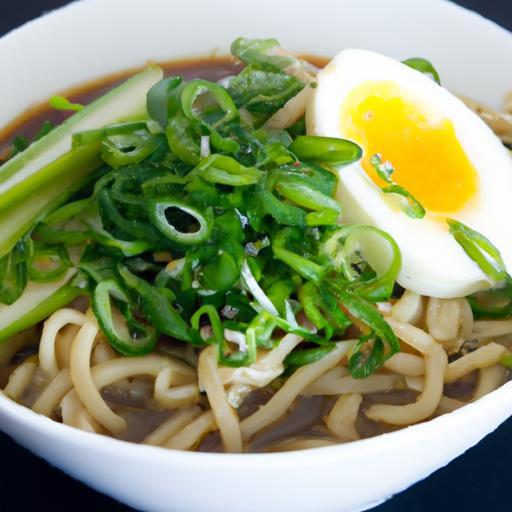
When it comes to comfort food that warms the soul and excites the palate, few dishes rival the steamy, savory embrace of a steaming bowl of ramen. But for those navigating the world of gluten sensitivity or celiac disease,indulging in this beloved noodle soup can feel like a daunting challenge.Fear not, noodle lovers-“Slurp Safely: A Appetizing Guide to Gluten-Free Ramen” is here to change the game.This article unravels the secrets of crafting rich,flavorful ramen without the gluten,proving that you don’t have to sacrifice taste or texture to enjoy this iconic dish. Prepare to dive into a world where every slurp is safe, satisfying, and utterly scrumptious.
Choosing the perfect gluten-free broth lays the foundation for a bowl that bursts with umami and nourishing warmth. Whether inspired by traditional Japanese dashi or a robust vegetable stock, the right broth transforms a simple ramen into an unforgettable experience. Exploring authentic gluten-free noodles that offer that ideal, satisfying slurp is equally crucial, as texture brings life and joy to every spoonful. Pair these with thoughtfully selected toppings and add-ins that pack layers of flavor and complexity,and you’re well on your way to ramen mastery. Most importantly, ensuring a safe kitchen and avoiding cross-contamination protects the integrity of your gluten-free creation-so every bite is as safe as it is delicious.
Prep and Cook Time
- Readiness: 15 minutes
- Cooking: 40 minutes
- Total Time: 55 minutes
Yield
Serves 4 hearty bowls
Difficulty Level
Medium – Perfect for passionate home cooks eager to dive deeper into gluten-free Asian cooking.
Ingredients
- Broth Base: 8 cups gluten-free vegetable broth (homemade or store-bought with no gluten additives)
- Umami enhancers: 1 sheet kombu (dried kelp), ¼ cup dried shiitake mushrooms
- Aromatics: 1-inch piece fresh ginger, sliced; 3 garlic cloves, smashed
- Seasoning Sauce: ¼ cup tamari (gluten-free soy sauce choice)
- Sweetener: 1 tablespoon maple syrup
- Noodles: 12 oz gluten-free ramen noodles made from brown rice or tapioca starch (check label for authenticity)
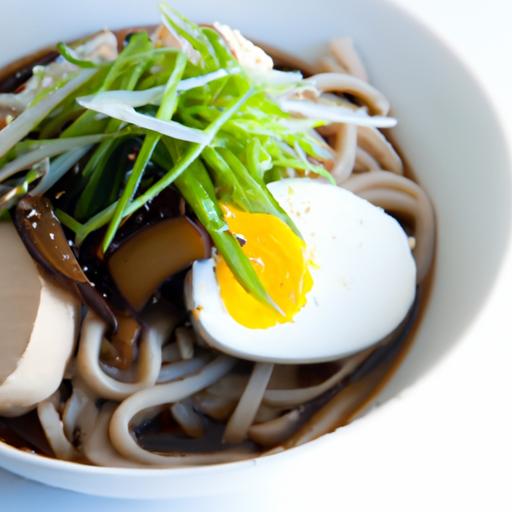
- Toppings: 2 soft-boiled eggs, halved; 1 cup blanched baby spinach; ½ cup sliced green onions; ½ cup bamboo shoots, drained; 1 tablespoon toasted sesame seeds
- Add-ins (optional): Grilled shiitake caps, sliced nori sheets, roasted corn kernels, or thinly sliced gluten-free smoked chicken breast
Instructions
- Prepare the Broth: In a large pot, combine gluten-free vegetable broth, kombu, dried shiitake mushrooms, sliced ginger, and smashed garlic. Bring to a gentle simmer over medium heat.Avoid boiling to preserve delicate flavors. Simmer uncovered for 25-30 minutes.
- Season the Broth: Remove kombu after 15 minutes to prevent bitterness. strain out shiitake mushrooms and aromatics, then stir in tamari and maple syrup. Adjust seasoning to taste for a harmonious balance of salty, sweet, and umami.
- Cook the Noodles: While broth simmers, cook the gluten-free ramen noodles according to package instructions. Drain and rinse under cold water to stop cooking and prevent clumping.
- prepare Toppings: Soft-boil eggs by simmering in water for exactly 7 minutes; plunge into ice water, peel carefully. blanch baby spinach briefly in boiling water, then shock in ice water. Slice green onions and prepare any additional add-ins.
- Assemble the Bowl: Divide noodles evenly among four warmed bowls. Ladle hot broth on top to cover noodles. artfully arrange eggs, spinach, green onions, bamboo shoots, and optional add-ins. Sprinkle with toasted sesame seeds and place nori sheet on the side for added texture and flavor.
- Serve and Enjoy: Encourage slurping-this not only enhances flavor perception but honors ramen tradition!
Chef’s Notes
- Broth Variations: For a miso twist, stir in 2 tablespoons gluten-free white miso paste just before serving, making sure not to boil the broth after adding to preserve probiotics.
- Noodle Alternatives: Look for gluten-free ramen made from a blend of rice, tapioca, or even quinoa flours for varied textures and nutrition.
- Cross-Contamination Caution: Dedicate utensils and pots solely to gluten-free use. Store gluten-free noodles separately and thoroughly clean work surfaces before cooking.
- Make-Ahead Tips: Broth can be prepared up to three days in advance and stored refrigerated. Reheat gently to maintain flavor integrity.
- Ingredient Sourcing: Trusted online specialty stores frequently enough carry authentic gluten-free Japanese noodles and broths-always check labels carefully.
Serving Suggestions
Present your gluten-free ramen in deep ceramic bowls that hold heat well, garnished with fresh green onions and a sprinkle of toasted sesame seeds for a pop of crunch. A side dish of steamed edamame or lightly pickled vegetables complements the meal beautifully. Offer chopsticks and a soup spoon, inviting guests to savor each aromatic sip and tender bite in joyful harmony.

| Nutrient | Amount per Serving |
|---|---|
| Calories | 380 kcal |
| Protein | 18 g |
| Carbohydrates | 52 g |
| Fat | 8 g |
For more in-depth techniques on gluten-free noodle preparation, check out our Complete Gluten-Free Noodle Guide. To deepen your knowlege of umami-rich broths suitable for gluten-sensitive diets, visit the Serious Eats dashi tutorial.
Q&A
Q&A: Slurp Safely: A Delicious Guide to Gluten-Free Ramen
Q1: What makes traditional ramen unsuitable for a gluten-free diet?
Traditional ramen noodles are typically made from wheat flour, which contains gluten-a protein that can trigger adverse reactions in people with celiac disease or gluten sensitivity. Additionally, some broths and sauces may contain soy sauce or other gluten-containing ingredients, making typical ramen off-limits for those avoiding gluten.
Q2: How can I enjoy the full ramen experience without gluten?
The secret lies in swapping out wheat noodles for gluten-free alternatives like rice noodles, shirataki noodles, or specially crafted gluten-free ramen noodles made from ingredients such as tapioca, brown rice, or millet. Pair these noodles with a rich, flavorful broth and fresh, vibrant toppings to capture the essence of ramen.
Q3: What are some naturally gluten-free broth bases I can use?
Bone broths from chicken or beef, vegetable broths, and dashi made from kombu seaweed and dried shiitake mushrooms are excellent gluten-free options. Just be sure to check that any seasoning or store-bought broth doesn’t include hidden gluten ingredients like malt or wheat-based soy sauce.
Q4: Are traditional seasoning ingredients safe for gluten-free ramen?
Some are, some aren’t. Tamari is a great gluten-free alternative to regular soy sauce, offering the salty, umami punch that ramen demands. miso paste is frequently enough gluten-free, but it’s wise to verify the label as some brands add barley or wheat. fresh herbs, garlic, ginger, and chili paste add vibrant flavor without gluten worries.
Q5: What toppings can elevate my gluten-free ramen?
Think beyond typical toppings to include soft-boiled eggs, sautéed mushrooms, roasted corn, sautéed spinach, bamboo shoots, scallions, and nori (seaweed). Tofu or chicken also add protein without adding gluten. These fresh, colorful toppings bring texture and taste that make each bite exciting.
Q6: How can I avoid cross-contamination when making gluten-free ramen at home?
Cleanliness is key! Use separate pots, utensils, and cutting boards when handling gluten-free ingredients. Store gluten-free noodles far away from wheat noodles, and thoroughly clean surfaces before cooking. If seasoning or broth packets are involved, double-check thier gluten status to avoid sneaky contamination.
Q7: Are there any creative gluten-free ramen variations to try?
Absolutely! Experiment with coconut milk-infused broths for a creamy twist,spicy miso with chile oil for a kick,or clear mushroom dashi for a delicate yet savory bowl. Try spiralized vegetables as noodles in warmer months or add a sprinkle of toasted sesame seeds for crunch and flavor.
Q8: Where can I find gluten-free ramen noodles?
Many Asian specialty stores and health food markets now carry gluten-free ramen noodles. You can also find them online-just look for labels that clearly state “gluten-free.” Making your own noodles with rice flour or millet flour is another fun kitchen adventure if you’re feeling creative.
Q9: Can I dine out safely while craving gluten-free ramen?
Definitely! Seek restaurants that offer gluten-free options and always communicate your dietary needs clearly.Many ramen shops now cater to gluten sensitivity with special noodles and broth modifications. Calling ahead or checking menus for gluten-free symbols can definitely help ensure a safe, satisfying meal.
Q10: What’s the best way to savor gluten-free ramen for maximum enjoyment?
Slurp boldly and take time to appreciate the harmonious blend of textures and flavors. The perfect gluten-free ramen is a symphony of chewy noodles, savory broth, and vibrant toppings that dance on your palate. Don’t be afraid to customize each bowl to suit your taste buds and dietary needs-it’s your delicious, safe bowl after all!
The Way Forward
As you embark on your gluten-free ramen journey, remember that delicious bowls don’t have to come with compromise-just a little creativity and the right ingredients. From savory broths to perfectly slurpy noodles,gluten-free ramen opens a world of flavorful possibilities that anyone can enjoy safely. so go ahead, grab those chopsticks, and slurp with confidence-as when it comes to gluten-free ramen, safety and satisfaction taste best together. Happy slurping!