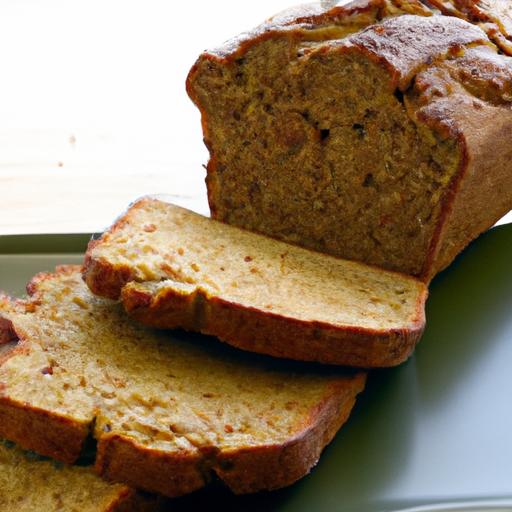


“Finding bread that’s both keto-friendly and nut-free can be tough. This low-carb, allergy-friendly nut-free keto bread satisfies cravings without compromising your diet, so everyone can enjoy a slice. Discover how to make this inclusive, guilt-free bread that redefines keto living.”
Nut-Free keto Bread: Low-Carb Loaf for Allergy-Friendly Diets
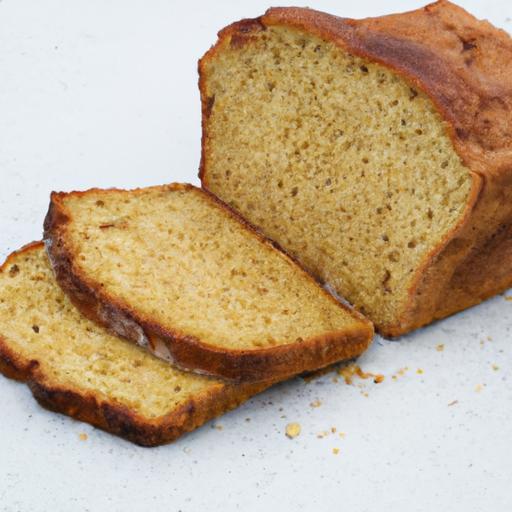
Nut-Free Keto Bread has revolutionized allergy-friendly baking by combining science-backed ingredient swaps with low-carb nutrition to create a loaf everyone can enjoy. Inspired by countless requests for delicious keto bread free of nuts and common allergens, this recipe embraces innovative alternatives like coconut flour and seeds to maintain perfect moisture and texture-no compromise required.
Prep and Cook Time
- Planning: 15 minutes
- Cooking: 45 minutes
- Total: 1 hour
yield
- Makes 1 medium-sized loaf (about 12 slices)
Difficulty Level
- Easy to Medium – perfect for keto enthusiasts and allergy-conscious bakers alike
Ingredients
- 1 cup coconut flour, sifted
- 4 large eggs, room temperature
- 1/4 cup ground flaxseed meal
- 1/4 cup unsweetened shredded coconut
- 1/2 cup pumpkin seeds (hulled)
- 1/4 cup olive oil or melted avocado oil
- 1/2 cup unsweetened almond milk substitute (e.g., hemp or oat milk)
- 1 tbsp apple cider vinegar
- 2 tsp baking powder (gluten-free)
- 1/2 tsp sea salt
- 1 tsp xanthan gum (for binding and texture)
- Optional: 1 tbsp erythritol or keto-friendly sweetener
Instructions
- Preheat your oven to 350°F (175°C) and line a 9×5-inch loaf pan with parchment paper for easy release.
- in a medium bowl, whisk together the eggs, olive oil, apple cider vinegar, and dairy-free milk until fully combined and slightly frothy.
- In a large bowl, mix the coconut flour, ground flaxseed meal, shredded coconut, baking powder, salt, and xanthan gum. Stir thoroughly to distribute all dry ingredients evenly.
- Slowly incorporate the wet mixture into the dry ingredients, folding gently to avoid overmixing. The batter will be thick but slightly pliable-this ensures a moist crumb.
- Fold in the pumpkin seeds, reserving a small handful for topping your loaf before baking.
- Transfer the batter to the prepared loaf pan and smooth the surface with a spatula. Sprinkle the reserved pumpkin seeds evenly on top for a delightful crunch and eye-catching finish.
- Bake for 40-45 minutes or until a toothpick inserted in the center comes out clean. Keep an eye after 35 minutes; if the top browns too quickly, tent with foil to prevent burning.
- Remove from the oven and let cool in the pan for 10 minutes before transferring to a wire rack to cool completely.Cooling is essential to set the crumb and improve slicing.
Tips for Success
- Texture savior: The combination of coconut flour and flaxseed meal avoids dryness ofen found in keto breads by retaining moisture and providing natural binding.
- Ingredient swaps: Hemp flour or sunflower seed flour can substitute coconut flour for a milder flavor while maintaining allergen safety.
- Egg alternatives: For vegan variation, try aquafaba (3 tbsp per egg) but expect a slightly diffrent crumb texture.
- Make-ahead magic: wrap cooled bread tightly and refrigerate for up to 5 days or freeze individual slices to maintain freshness.
- Prevent cracking: Room temperature ingredients and avoiding overmixing preserve the loaf’s structure and yield a softly cohesive crumb.
Serving Suggestions
- Slice and toast with herbaceous avocado spread or a smooth sunflower seed butter for a nourishing breakfast.
- Top with sliced cucumber, smoked turkey (allergy-safe option), and fresh microgreens for a satisfying low-carb lunch.
- Use as a base for keto-friendly sandwiches with grilled veggies and a creamy dairy-free aioli.
- Garnish with fresh rosemary sprigs or a sprinkle of nutritional yeast for added aroma and umami notes.
| Nutrition | Per Slice (approx.) |
|---|---|
| Calories | 120 kcal |
| Protein | 5 g |
| Net Carbohydrates | 3 g |
| Fat | 9 g |

For deeper insights into keto baking science, consider visiting Healthline’s thorough keto guide. Also, feel free to explore our keto baking tips and tricks for more inspiration.
Q&A
Q&A: Nut-Free Keto Bread – Low-Carb Loaf for Allergy-Friendly Diets
Q1: What makes nut-free keto bread different from conventional keto bread?
A1: Traditional keto bread frequently enough relies on almond or other nut flours for its low-carb profile. Nut-free keto bread swaps these out for alternative flours like coconut flour, sunflower seed flour, or flaxseed meal, making it safe for those with nut allergies while still maintaining a low-carb, keto-friendly count.
Q2: Can you explain why nut-free keto bread is important for allergy-friendly diets?
A2: Nut allergies are among the most common and potentially severe food allergies. Nut-free keto bread provides a safe option for people following a ketogenic lifestyle without risking allergic reactions, ensuring inclusivity in low-carb snacking and meal options.
Q3: What are popular nut-free flours for keto bread?
A3: Coconut flour, sunflower seed flour, and flaxseed meal are top choices, offering low carbs, fiber, healthy fats, and mild flavors.
Q4: Does nut-free keto bread taste different from almond flour bread?
A4: Yes—coconut flour adds subtle sweetness and density, while sunflower seed flour gives a mild, earthy flavor. With the right mix, nut-free bread is just as tasty.
Q5: How is the texture compared to regular bread?
A5: Nut-free keto bread is denser and slightly moister than wheat bread but has a tender crumb that holds well for sandwiches and toast.
Q6: Are there any special tips for baking nut-free keto bread at home?
A6: Yes! Because flours like coconut absorb much more liquid,it’s important to measure ingredients accurately and allow the batter to rest briefly before baking to hydrate the flours. Also, incorporating binders like eggs, psyllium husk, or xanthan gum helps create a cohesive dough that rises nicely.
Q7: Is nut-free keto bread suitable for other dietary restrictions?
A7: Absolutely. Most nut-free keto breads are grain-free and gluten-free, making them a great option for people avoiding gluten or grains. Just be sure to check individual recipes to confirm they comply with your specific needs, such as dairy-free or egg-free preferences.
Q8: How can nut-free keto bread be used in everyday meals?
A8: Nut-free keto bread is incredibly versatile. Enjoy it toasted with avocado, use it for sandwich bases, or even create keto-friendly croutons and breadcrumbs. It’s a handy staple for anyone craving bread without the carbs or nut allergens.
Q9: Can I store nut-free keto bread like regular bread?
A9: Nut-free keto bread can be stored in an airtight container at room temperature for a couple of days but tends to keep best refrigerated to prolong freshness. For longer storage, freezing slices individually is a great option-you can toast them straight from the freezer!
Q10: Where can I find recipes or pre-made nut-free keto bread?
A10: Many keto-focused cookbooks and food blogs now include nut-free keto bread recipes. Health food stores and specialty bakeries increasingly offer allergy-friendly, low-carb bread options. Online keto communities are also fantastic resources for sharing and discovering new recipes tailored to nut allergies.
This Q&A offers a helpful introduction to nut-free keto bread while inspiring confidence and creativity for those pursuing an allergy-friendly low-carb lifestyle.
To Conclude
As more people embrace specialized diets, finding delicious, safe options can feel like navigating a culinary maze. Nut-free keto bread offers a beacon of hope-a low-carb, allergy-friendly loaf that doesn’t compromise on flavor or texture. Whether you’re managing allergies, cutting carbs, or simply seeking a wholesome alternative, this bread proves that inclusivity and taste can rise together. So next time you slice into a warm, nut-free keto loaf, savor not just the bread but the freedom it represents: the freedom to enjoy, nourish, and share without worry.