
Soaking and Rinsing Techniques That Elevate Your Rice
The secret to turning ordinary brown rice into a dish bursting with texture starts with soaking and rinsing. Rinsing your brown rice thoroughly under cold water washes away excess surface starch, preventing clumping and producing fluffy, distinct grains.
Soaking, on the othre hand, rehydrates the bran, softening the grain and significantly reducing cooking time. Ideally, soak brown rice for 30 minutes to 2 hours in cold water. This simple step unlocks a tenderness many overlook, creating a light, tender bite that’s perfectly cooked through-never gritty or tough.
Mastering the Perfect Water to Rice Ratio for Fluffy Results
Getting the water-to-rice ratio just right is the cornerstone of a flawless brown rice dish. Unlike white rice, brown rice requires more water to soften its fibrous bran layer. For rinsed and soaked long-grain brown rice, the ideal ratio is 1 cup of rice to 1 ¾ cups of water. Slight adjustments can be made depending on your rice variety and altitude, but this baseline ensures tender yet pleasantly firm grains.
Using a pot with a tight-fitting lid, bring the water to a gentle boil, then reduce the heat to low and simmer covered.Resist the urge to lift the lid early; this traps steam and locks in moisture, ensuring each grain finishes tender and separate.
Troubleshooting Common Brown Rice Cooking Challenges with expert Tips
it’s common to encounter challenges like undercooked centers, gummy texture, or burnt bottoms when cooking brown rice-but these can be easily conquered with expert tweaks. If your rice turns out chewy or grainy, check your water ratio and soaking time-adding just a bit more water or increasing soaking time often solves this. Sticky rice usually means excess starch; rinsing thoroughly helps mitigate this.
Burnt rice usually results from cooking on too high heat or using an inadequate heavy-bottomed pot. Opt for a medium-low simmer and a heavy saucepan to evenly distribute heat. If your rice tends to stick, consider using a rice cooker with brown rice settings for foolproof results.
Embrace these techniques, and you’ll celebrate fluffy, nutty brown rice every single time!
Prep and Cook Time
- Prep Time: 10 minutes (including soaking)
- Cook Time: 45 minutes
- Total Time: 55 minutes
yield
Serves 4 generously as a side or base dish.
Difficulty Level
Easy - perfect for cooks of all levels mastering their grain game.
Ingredients
- 1 cup long-grain brown rice, rinsed and soaked for 1 hour
- 1 ¾ cups filtered water
- ½ teaspoon fine sea salt (optional)
- 1 teaspoon olive oil or melted coconut oil (optional, for glossy grains)
Instructions
- Rinse and soak: Place the brown rice in a fine-mesh sieve and rinse under cold running water untill water runs clear. Soak the rice in a bowl with fresh cold water for 1 hour, then drain thoroughly.
- Prepare to cook: In a medium heavy-bottomed pot, combine the rinsed rice, 1 ¾ cups of filtered water, sea salt, and olive oil. Stir gently to combine.
- Bring to a boil: Place the pot over medium-high heat and bring the mixture just to a boil. Watch carefully-once it bubbles, immediately reduce the heat to low to maintain a gentle simmer.
- Simmer, covered: Cover the pot tightly with a lid and let simmer undisturbed for 40 minutes. Do not lift the lid prematurely; this traps steam essential to cooking the grains evenly.
- Let it rest: Turn off the heat and let the rice rest,covered,for another 10 minutes. This resting period allows residual steam to finish softening the rice.
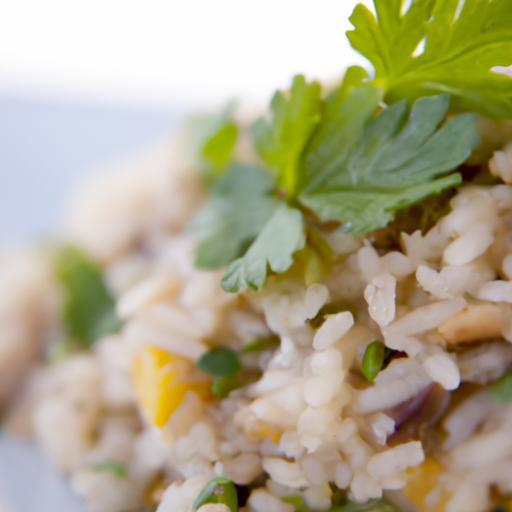
- Fluff and serve: Remove the lid and use a fork to gently fluff the rice,separating each grain to reveal a fluffy texture with a rich nutty aroma.
Tips for Success
- Water quality matters: Use filtered or spring water for cleaner flavor, especially critically important when cooking whole grains that highlight subtle tastes.
- Invest in a heavy-bottom pot: This prevents hot spots and scorching that can mar your rice’s texture.
- Warm the rice up: Leftovers can be gently reheated with a splash of water and covered loosely to retain moisture.
- Experiment with infusions: Swap water for vegetable broth to amplify flavor complexity.
- For sticky rice: Skip soaking, rinse thoroughly, and reduce the water ratio to 1 ½ cups per cup of rice.
Serving Suggestions
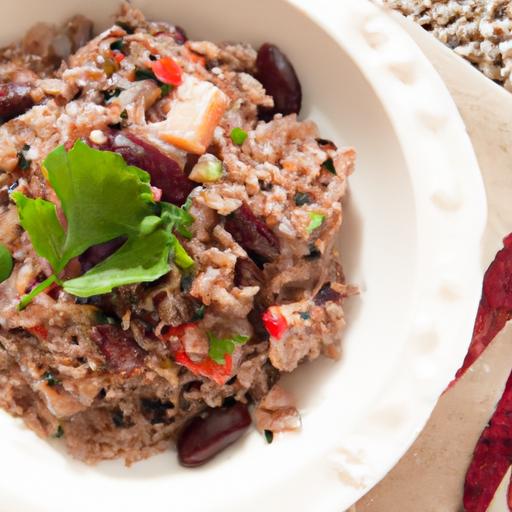
Perfectly cooked brown rice serves as an exquisite canvas for countless dishes. Garnish with fresh herbs like cilantro or parsley for bursts of freshness. Drizzle with a squeeze of lime or a splash of toasted sesame oil for an inviting touch.
tuck it under vibrant stir-fries, toss in nutrient-packed grain bowls with roasted vegetables, or accompany creamy curries and stews. For a simple yet elegant side,top with toasted almonds or pumpkin seeds to introduce a delightful crunch.

| Nutrient | Per ½ cup cooked |
|---|---|
| calories | 108 kcal |
| Protein | 2.5 g |
| Carbohydrates | 22 g |
| Fat | 0.9 g |
| Fiber | 1.8 g |
For detailed grain selection and additional cooking methods, visit our Complete Guide to Rice Varieties. To perfectly complement your dish with nutritional insights, explore research by the USDA.
Q&A
Q&A: the Ultimate Guide: Mastering Perfectly cooked Brown rice
Q1: Why is brown rice often considered healthier than white rice?
A1: Brown rice retains its bran and germ layers, which are rich in fiber, vitamins, and minerals. This means you get more nutrients and a slower energy release compared to white rice, making brown rice a more wholesome choice.
Q2: What’s the biggest challenge when cooking brown rice?
A2: The main challenge is cooking the rice evenly without it turning mushy or too hard. Brown rice has a tougher outer layer, so it requires more water and a longer cooking time than white rice to achieve the perfect tender texture.
Q3: How much water should I use to cook brown rice?
A3: A classic ratio to start with is 2 1/2 cups of water to 1 cup of brown rice. However,depending on your cooking method,you might need a little more or less. Always remember-you can adjust water slightly the next time based on your preferred texture.
Q4: Is soaking brown rice before cooking necessary?
A4: Soaking isn’t mandatory, but it can significantly reduce cooking time and improve texture by softening the grain. A quick soak for 30 minutes to a few hours can help your rice cook more evenly.
Q5: Can you cook brown rice without a rice cooker?
A5: Absolutely! Brown rice can be cooked on the stovetop, in a pressure cooker, or in an instant pot. These methods require slight adjustments in water ratios and cooking times but all produce flavorful results.
Q6: How do I know when brown rice is perfectly cooked?
A6: Perfectly cooked brown rice should be tender but still slightly chewy,with each grain separate and fluffy-not sticky or gummy. If it’s dry or crunchy, it needs more cooking; if it’s mushy, there was likely too much water or cooking time.
Q7: What’s a foolproof stovetop method for cooking brown rice?
A7: Bring your water to a boil, add the rinsed brown rice, reduce to a simmer, cover tightly, and cook for about 45 minutes. Then, turn off the heat and let it sit, covered, for 10 minutes to steam gently before fluffing with a fork.
Q8: Can I use broth instead of water to cook brown rice?
A8: Yes! Cooking brown rice in vegetable or chicken broth adds depth and flavor without overpowering the grain. It’s a simple way to elevate your rice to a savory side or base for a meal.
Q9: how do I store cooked brown rice to keep it fresh?
A9: Cool the rice quickly after cooking and store it in an airtight container in the refrigerator. Properly stored, cooked brown rice stays fresh for 4 to 6 days.You can also freeze it for up to 3 months for convenience.
Q10: What are some creative ways to enjoy perfectly cooked brown rice?
A10: Brown rice is incredibly versatile! Use it as the base for grain bowls, stir-fries, hearty salads, or stuffed vegetables. It’s also fantastic in soups or formed into patties for a nutritious twist on classic dishes.
Mastering brown rice takes a bit of patience and practice, but with the right techniques, you’ll unlock its full nutty flavor and chewy texture. Give it a try-you might just fall in love with this humble, powerful grain!
Insights and Conclusions
With the foundations laid and techniques explored, you’re now equipped to transform humble grains into Perfectly Cooked Brown Rice—a culinary masterpiece that’s both nutritious and delicious. Whether you’re fluffing your Perfectly Cooked Brown Rice gently from the pot or steaming it to tender perfection, mastering Perfectly Cooked Brown Rice opens the door to endless flavorful possibilities—from vibrant bowls to hearty side dishes. So, take these Perfectly Cooked Brown Rice tips to heart, experiment boldly, and let each grain tell its story of patience, care, and mastery. Because Perfectly Cooked Brown Rice isn’t just a meal—it’s a craft worth savoring.