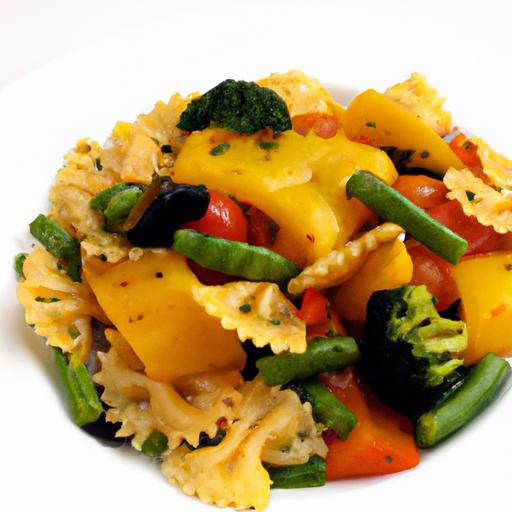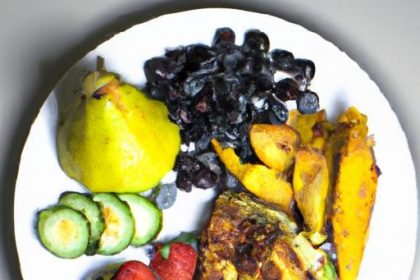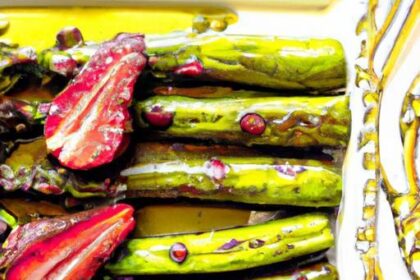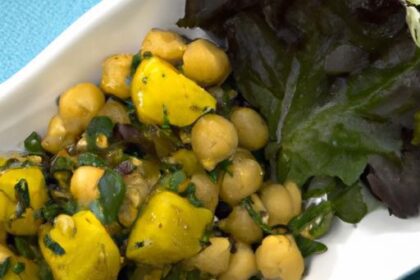
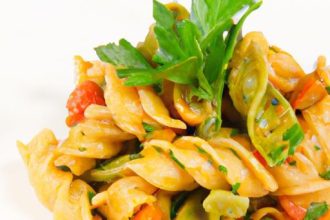

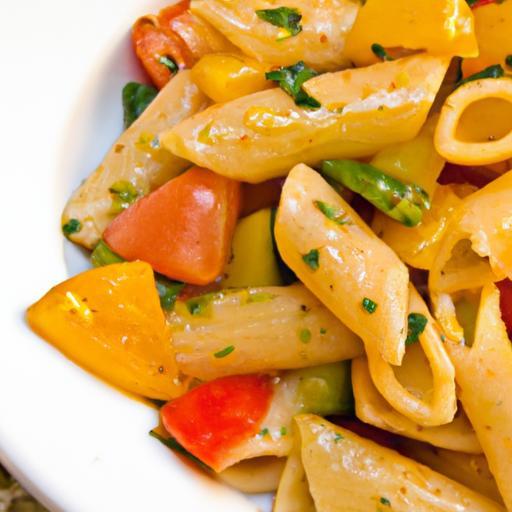
In a world where appetizing meets nutritious, the plate has never looked so inviting. Enter the realm of fresh and flavorful gluten-free pasta,generously packed with vibrant veggies that not only burst with color but also deliver a garden’s worth of nutrients in every bite. Whether you’re navigating dietary restrictions or simply craving a lighter, wholesome meal, this culinary fusion transforms ordinary pasta night into an artful party of taste and health. Join us as we explore how to craft these delightful dishes that prove gluten-free doesn’t mean flavor-free – it means fresh, creative, and irresistibly satisfying.
Choosing the Perfect Gluten-Free Pasta for Veggie-Forward Meals
Fresh & flavorful: Gluten-Free Pasta Packed with Veggies is a vibrant celebration of wholesome ingredients, inviting you to elevate your meals with delightful textures and fresh flavors. Selecting the right gluten-free pasta forms the foundation of this dish’s success. Whether it’s a tender brown rice spaghetti, nutty quinoa fusilli, or hearty chickpea rotini, each option brings its unique character that harmonizes beautifully with seasonal vegetables.
When choosing gluten-free pasta, look for brands that prioritize a satisfying bite and a smooth surface, which allows sauces and dressings to cling wonderfully. Whole-grain options, such as sorghum or millet blends, offer an earthy depth that compliments roasted or sautéed veggies magnificently. Consider shapes like penne or farfalle, as their contours create little pockets for vibrant veggie morsels and luscious dressings to nestle.
Incorporating Seasonal Vegetables to Elevate Flavor and Nutrition
Seasonal vegetables breathe life into gluten-free pasta dishes, shining in their freshest form both in flavor and nutrition. Imagine snippets of tender asparagus and snap peas in spring, vibrant cherry tomatoes and zucchini ribbons in summer, or sweet roasted butternut squash and earthy kale in autumn. These vegetables are gently sautéed or oven-roasted to enhance their natural sweetness and develop complex layers of taste.
Be generous with colors and textures – crunchy bell peppers, silky mushrooms, and crisp green beans contribute not only stunning presentation but also a harmonious balance between softness and bite. This veggie-forward approach increases fiber, vitamins, and antioxidants to your pasta experience, transforming a simple dish into a nourishing celebration of the season.
Creative Sauces and Dressings That Complement fresh Veggie Pasta
Elevate your dish by pairing gluten-free pasta and fresh vegetables with imaginative sauces that burst with flavor and freshness. A lemon basil pesto using fresh herbs, toasted pine nuts, and sharp nutritional yeast adds a bright, nutty layer without overpowering the veggies. Alternatively, a roasted red pepper and cashew cream sauce delivers an indulgent, silky touch that beautifully envelops strands of pasta.
For a lighter option, a zesty vinaigrette infused with garlic, Dijon mustard, and apple cider vinegar breathes complexity into each bite and keeps the dish vibrant. Don’t underestimate the power of a simple drizzle of high-quality extra virgin olive oil with a sprinkle of crushed red pepper flakes and fresh cracked black pepper – simplicity frequently enough brings the freshest flavors forward with elegance.
Tips for Achieving the Ideal Texture and Balance in Gluten-Free Pasta Dishes
getting that perfect bite in gluten-free pasta can be tricky but absolutely achievable with a few key techniques. First, cook the pasta al dente, slightly firm to the bite, to avoid mushiness. Salt your boiling water generously to season the pasta from within. After draining, gently toss the pasta with a bit of dressing or oil to prevent sticking.
When adding vegetables, remember that texture contrast is key. Sauté tender veggies just until soft but retain snap, while sturdier vegetables benefit from roasting or blanching before combining. Always taste and adjust seasoning at the end – balancing acidity,salt,and fat creates harmony among the elements. allow the pasta and veggies to rest momentarily off heat so the flavors marry beautifully before serving.
Prep and Cook Time
- Planning: 15 minutes
- Cooking: 20 minutes
- Total Time: 35 minutes
Yield
Serves 4 generous portions
Difficulty Level
Easy to Medium
Ingredients
- 8 oz gluten-free brown rice spaghetti
- 1 cup asparagus, trimmed and cut into 1-inch pieces
- 1 cup cherry tomatoes, halved
- 1 medium zucchini, thinly sliced into ribbons
- 1 red bell pepper, julienned
- 3 tbsp extra virgin olive oil
- 2 cloves garlic, minced
- juice of 1 lemon
- 1/4 cup fresh basil leaves, chopped
- 1/4 cup toasted pine nuts
- Salt and freshly cracked black pepper, to taste
- 1/2 tsp crushed red pepper flakes (optional)
- 1 tbsp nutritional yeast (optional for a cheesy flavor)
Instructions
- Bring a large pot of salted water to a boil. Add the gluten-free pasta and cook according to package directions until al dente, typically 7-9 minutes. Reserve 1/2 cup pasta water, then drain and toss with 1 tbsp olive oil to prevent sticking.
- While pasta cooks, heat remaining olive oil in a large skillet over medium heat. Add garlic and sauté until fragrant,about 1 minute.
- Add asparagus and red bell pepper. Sauté 5 minutes, stirring occasionally, until tender-crisp.
- add zucchini ribbons and cherry tomatoes. Cook an additional 3 minutes,gently tossing so vegetables soften but retain texture.
- remove skillet from heat, then stir in lemon juice, fresh basil, and nutritional yeast if using. Season with salt, black pepper, and red pepper flakes.
- Toss pasta with the sautéed vegetables and sauce mixture. If mixture seems dry, gradually add the reserved pasta water for a silky finish.
- Fold in toasted pine nuts just before serving. Serve immediately, garnished with extra basil leaves and a drizzle of olive oil.
Chef’s notes
- Vegetable Variations: swap in seasonal favorites like snap peas, roasted butternut squash, or baby spinach for delightful variations.
- make-ahead Tip: Cook pasta and veggies separately,store refrigerated,then toss and warm gently before serving to keep textures intact.
- Substitution: Quinoa or chickpea pasta can be used for an added protein boost if you prefer.
- Common Issue: To avoid clumping, never overcook pasta and toss immediately with oil after draining.
Serving Suggestions
This dish shines as a light main course or as a vibrant side alongside grilled tofu or lemon-herb roasted chicken breast. For a finishing touch, sprinkle flaky sea salt and add a scattering of microgreens or edible flowers for a stunning plate presentation. Pair with a crisp cucumber salad or chilled gazpacho for a refreshing, veggie-packed meal experience.
| Nutrient | Per Serving |
|---|---|
| Calories | 320 |
| Protein | 9g |
| carbohydrates | 48g |
| Fat | 8g |

Discover creative gluten-free sauces to complement your pasta dishes and for trusted nutritional info on gluten-free ingredients, visit the Gluten Intolerance Group.
Q&A
Q&A: Fresh & Flavorful: Gluten-Free Pasta Packed with Veggies
Q1: Why choose gluten-free pasta for veggie-packed dishes?
A1: Gluten-free pasta is great for those with sensitivities and serves as a light, versatile base. Made from rice, chickpeas, or quinoa, it offers a subtle nutty flavor and pairs perfectly with vibrant vegetables.
Q2: What veggies work best in gluten-free pasta?
A2: Almost any veggie works! Bell peppers, cherry tomatoes, zucchini, snap peas, mushrooms, and leafy greens like spinach or kale add color, nutrition, and flavor. Fresh herbs like basil and parsley enhance aroma and taste.
Q3: How can I keep my gluten-free pasta from getting mushy when mixed with vegetables?
A3: The key is to cook the pasta just until al dente and drain it promptly. When sautéing veggies, cook them separately so they retain their crunch and vibrant color, then toss everything together last-minute with a drizzle of olive oil or a light sauce. This method prevents sogginess and preserves the integrity of each ingredient.
Q4: Are there easy sauces that complement gluten-free veggie pasta without overpowering the natural flavors?
A4: Absolutely! Simple dressings like lemon juice with olive oil,a garlic-infused olive oil drizzle,or a light tomato basil sauce let the vegetables shine while adding moisture and tang. Nut-based sauces made from cashews or almonds can add creaminess without heaviness.
Q5: Can gluten-free pasta dishes be nutritious and filling?
A5: Definitely! Combining gluten-free pasta with a variety of nutrient-dense vegetables, legumes like chickpeas or lentils, and healthy fats from olive oil or avocado creates a balanced meal that’s satisfying and energizing. It’s a fantastic way to nourish your body without sacrificing flavor.
Q6: What is a creative way to add texture to gluten-free pasta and veggie dishes?
A6: Toasted seeds or nuts are a delightful addition-think crunchy pumpkin seeds, toasted pine nuts, or slivered almonds. They add a satisfying crunch and a subtle depth of flavor that plays nicely against tender pasta and sautéed veggies.
Q7: How can I make my gluten-free pasta dish kid-friendly without losing its freshness?
A7: Bright colors and familiar shapes entice young eaters! Spiralized zucchini or carrot “noodles” can be gently mixed with gluten-free pasta, and mild veggies like sweet corn or peas add natural sweetness. Toss the dish with a light tomato sauce or a creamy avocado dressing to keep flavors approachable.Q8: Any tips for meal prepping gluten-free pasta with vegetables?
A8: To keep textures fresh, cook pasta and vegetables separately, then combine just before eating.Store sauces separately if possible. Using hearty vegetables like roasted squash or carrots that hold up well in the fridge helps maintain flavor and prevents the dish from becoming soggy over time.
With these insights, you’re ready to whip up fresh, flavorful gluten-free pasta dishes that are as vibrant as they are wholesome!
Key Takeaways
In a world where dietary needs and vibrant flavors intersect, gluten-free pasta packed with fresh veggies stands out as a deliciously wholesome choice. Not only does it cater to those seeking gluten-free options, but it also invites everyone to savor the colorful bounty of nature’s garden on their plate.By embracing these nutrient-rich ingredients, you’re not just enjoying a meal-you’re nourishing your body and delighting your taste buds with every bite. So next time you crave pasta, think beyond customary noodles and dive into a bowl bursting with freshness, flavor, and good-for-you goodness. Your health-and your palate-will thank you.