


In a world increasingly driven by the quest for wholesome, plant-based nutrition, one powerhouse ingredient is capturing the spotlight: peanut tempeh. This dynamic duo blends the rich, nutty essence of peanuts with the ancient fermentation craft of tempeh, unlocking a treasure trove of protein-packed goodness. Beyond just a meal, peanut tempeh is a vibrant fuel for those seeking sustainable, muscle-loving, and nutrient-dense alternatives too traditional proteins. Join us as we dive into the science, flavor, and versatility behind this supercharged plant fuel-your new secret weapon for energizing body and mind.
Fuel Your Day with Ultimate Protein: Crafting Peanut Tempeh at Home
Peanut Tempeh Power unlocks a vibrant fusion of nutty richness and fermented goodness, making it an unparalleled high-protein plant fuel perfect for active lifestyles and mindful eaters. Originating from traditional Indonesian tempeh, this elevated twist infuses creamy, crushed peanuts into the soy-based cake, amplifying its flavor and nutritional might.
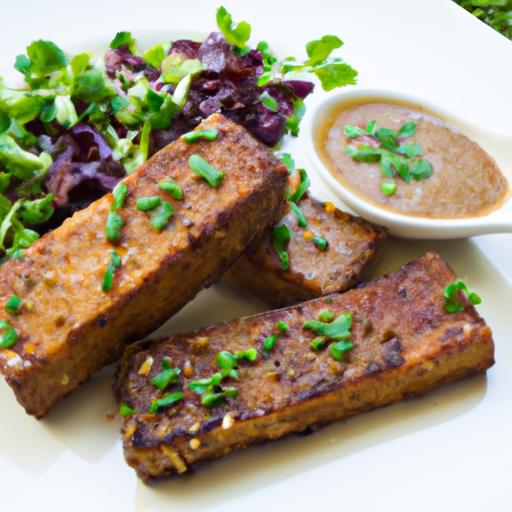
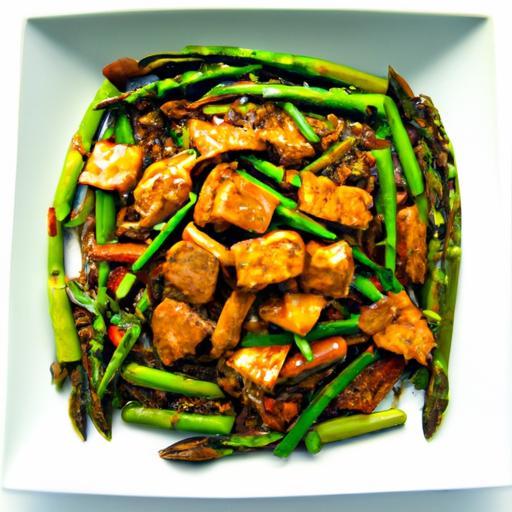
This dish has become a personal kitchen staple-whether for a midday energy boost or a hearty dinner centerpiece. Its texture strikes a delightful balance: slightly firm, with a crisped exterior enveloping a tender, savory core. The subtle earthiness of tempeh juxtaposed with the buttery crunch of peanuts creates an irresistible bite that perks up everyday meals.
Prep and Cook Time
- Prep: 15 minutes
- Cook: 20 minutes
- Total: 35 minutes
Yield
Serves 4 generous portions
Difficulty Level
Medium – approachable for home cooks with some kitchen confidence
Ingredients
- 1 (8-ounce) block tempeh,sliced into ½-inch thick pieces
- ½ cup natural creamy peanut butter (no added sugar or salt)
- 2 tablespoons soy sauce or tamari for gluten-free option
- 1 tablespoon maple syrup or agave nectar
- 2 teaspoons freshly grated ginger
- 2 cloves garlic,minced
- 1 tablespoon toasted sesame oil
- ½ teaspoon smoked paprika
- 1 tablespoon peanut oil (or neutral vegetable oil) for frying
- Optional: crushed roasted peanuts for garnish
Instructions
- Prepare the marinade: In a medium bowl,whisk together peanut butter,soy sauce,maple syrup,grated ginger,minced garlic,toasted sesame oil,and smoked paprika until smooth and well combined.
- Slice the tempeh: cut the tempeh block into uniformly thick pieces to ensure even cooking and marinading.
- Marinate the tempeh: place tempeh slices into the bowl with the peanut marinade, turning to coat every piece thoroughly. Let it marinate for at least 15 minutes-longer if time permits, up to 1 hour in the refrigerator-to deeply infuse flavors.
- Heat the pan: Warm the peanut oil over medium-high heat in a large non-stick or cast-iron skillet until shimmering.
- Sear the tempeh: Arrange the marinated tempeh slices in a single layer, carefully pouring any excess marinade over them. Sauté until golden brown and crisp on the bottom, about 5 minutes. Flip and cook the other side for another 4-5 minutes, basting with leftover marinade if desired.
- Finish and serve: once caramelized and fragrant, remove from heat. Optionally sprinkle with crushed roasted peanuts for extra texture and a burst of peanut intensity.
Tips for Success: Chef’s Notes
- For an even deeper infusion, marinate your tempeh overnight – the peanut protein base soaks up all the umami-rich flavors beautifully.
- Use freshly grated ginger and garlic for the cleanest, punchiest aroma that complements the nutty profile.
- If you prefer a lighter meal, steam tempeh slices for 10 minutes before marinating to soften their bite.
- Swap maple syrup with coconut sugar for a less sweet, caramel-like finish.
- Tempeh crisps best on medium-high heat; too low and it can become soggy, too high and it risks burning the peanut butter marinade.
Serving Suggestions: Elevate Every Bite
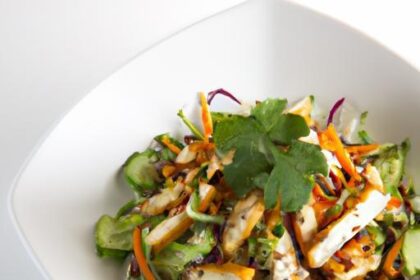
Serve peanut tempeh hot atop fluffy jasmine rice or nutty quinoa to soak up the luscious glaze. It also pairs brilliantly with steamed greens like bok choy or kale, balancing rich texture with verdant freshness. Garnish with vibrant chopped scallions, a sprinkle of crushed roasted peanuts, and a drizzle of sriracha or tamari for an added kick.For a casual bowl, toss freshly sliced cucumber and shredded carrot alongside – the crisp veggies punctuate the richness perfectly.
| Nutrient | Per Serving |
|---|---|
| Calories | 280 kcal |
| Protein | 18 g |
| Carbohydrates | 12 g |
| Fat | 18 g |
Discover more plant-powered recipes in our plant protein recipe collection. For additional insights on tempeh’s fermentation science,visit the Science Daily fermentation report.

Q&A
Q&A: Peanut Tempeh Power: Unlocking high-Protein Plant Fuel
Q1: What exactly is peanut tempeh, and how does it differ from traditional tempeh?
A1: Peanut tempeh is a vibrant twist on classic tempeh, where peanuts take center stage instead of the usual soybeans. It’s a fermented plant-based protein powerhouse, combining the creamy, nutty richness of peanuts with the pleasantly firm, chewy texture we love in tempeh.The fermentation process not only enhances its digestibility but also amps up the nutritional profile, delivering a unique taste experience that traditional tempeh simply can’t match.
Q2: why should plant-based eaters get excited about peanut tempeh?
A2: Peanut tempeh is a treasure trove of plant protein, perfect for anyone seeking meat-free muscle fuel. It’s loaded with essential amino acids, healthy fats, and fiber, making it a complete, satiating source of nutrition. Beyond the health perks, the peanut twist offers a toasted, subtly sweet flavor that brightens up bowls, salads, and stir-fries alike.Plus, it’s a sustainable choice, tapping into the environmental benefits of legumes.
Q3: How does the fermentation process enhance peanut tempeh’s nutritional profile?
A3: Fermentation works its magic by breaking down complex proteins and carbohydrates, making peanut tempeh easier to digest and increasing bioavailability of nutrients. Beneficial microbes produce enzymes that reduce antinutrients like phytic acid, which can block mineral absorption.The end result? A superfood rich in vitamins, minerals, and probiotics that support gut health while providing steady, sustained energy.
Q4: Can peanut tempeh be used in everyday cooking, or is it more of a specialty item?
A4: Peanut tempeh is a versatile kitchen champion! It can be cubed and sautéed into stir-fries, crumbled to mimic ground meat in tacos or chili, or marinated and grilled as a hearty main dish. Its nutty flavor pairs beautifully with spices, herbs, and a variety of veggies, making it a perfect canvas for bold, creative recipes. Once you have it on hand,peanut tempeh becomes your secret weapon for quick,nutritious meals.
Q5: How can one make peanut tempeh at home, and what should be kept in mind during readiness?
A5: Crafting peanut tempeh involves soaking and cooking peanuts, then inoculating them with tempeh starter culture before fermentation. Maintaining a warm, humid environment around 85-90°F (29-32°C) for 24-48 hours encourages the development of the characteristic white mycelium that binds the peanuts together. Cleanliness is key to avoid unwanted mold, and patience rewards you with a fragrant, firm block of peanut-powered tempeh ready to energize your plate.
Q6: Are there any particular nutritional benefits peanuts bring that enhance tempeh’s profile?
A6: Absolutely! Peanuts enrich tempeh with heart-healthy monounsaturated fats, vitamin E antioxidants, and the mineral magnesium which supports muscle and nerve function. Their slightly higher fat content compared to soy adds creaminess and satisfies hunger longer. When fermented into tempeh, these nutrients become more accessible, resulting in a nutrient-dense protein source that fuels both body and brain.
Q7: Who would most benefit from adding peanut tempeh to their diet?
A7: Anyone seeking a plant-based protein boost-athletes, vegetarians, vegans, or simply health-conscious food lovers-will find peanut tempeh a flavorful and functional addition. It’s especially beneficial for those with soy sensitivities but who want the fermented benefits tempeh offers. Low-carb, gluten-free, and packed with fiber, it fits seamlessly into a variety of dietary lifestyles looking for nourishing, clean energy.
Q8: How does peanut tempeh fit into sustainable eating practices?
A8: peanuts require less water and fertilizer compared to many other protein crops, making them an environmentally wise choice. By fermenting peanuts into tempeh, we extend their usability and introduce cultures that improve nutrient absorption and reduce waste.Choosing peanut tempeh supports biodiversity, lowers carbon footprint, and champions the art of plant-based nourishment in a flavorful, nutrient-packed package.
Q9: Any tips for flavoring or pairing peanut tempeh?
A9: Embrace bold flavors! Peanut tempeh soaks up marinades like a sponge-think tamari, maple syrup, garlic, ginger, and chili for sweet-heat vibes. Pair it with fresh herbs like cilantro and basil,or toss it into peanut sauces for a double hit of nuttiness. It also shines alongside roasted root vegetables, crunchy greens, and whole grains, creating balanced dishes bursting with texture and taste.
Q10: What’s an easy starter recipe to try peanut tempeh at home?
A10: For a quick introduction, try pan-frying cubed peanut tempeh in a garlicky soy glaze. Heat some oil, toss in diced peanut tempeh, add minced garlic, a splash of tamari, a drizzle of maple syrup, and cook until golden and caramelized.Serve atop steamed rice or salad greens, garnished with sesame seeds and scallions-a simple, satisfying way to unlock peanut tempeh’s protein power.
Wrapping Up
as we unravel the rich tapestry of flavors and nutrition woven into peanut tempeh, it’s clear this plant-powered marvel is more than just a protein source-it’s a culinary catalyst for vibrant health and creative cooking. Whether you’re seeking to boost your muscle fuel, diversify your meals, or simply savor the nutty essence of this fermented delight, peanut tempeh stands ready to unlock a new chapter in your plant-based journey. Embrace this powerhouse ingredient, and let every bite energize your body and inspire your palate with the wholesome strength of nature’s own protein-packed wonder.