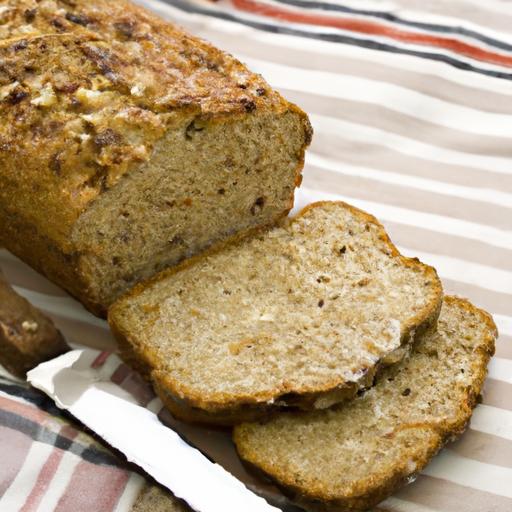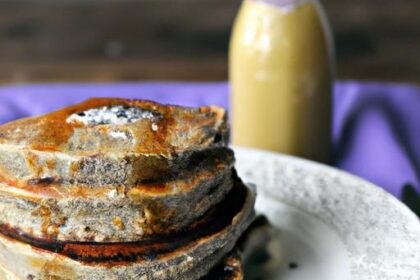




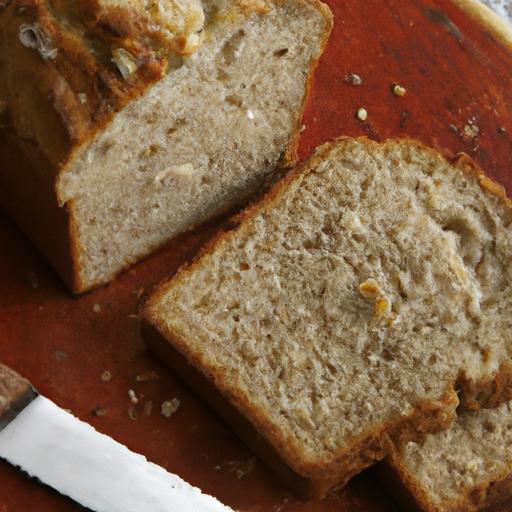
There’s something utterly irresistible about the warm, tender crumb of a freshly baked loaf of bread-especially when it comes with a nutty twist that elevates every bite. Enter almond flour bread: a deliciously moist choice that brings both flavor and nutrition to your kitchen table. Whether you’re looking to embrace gluten-free baking or simply eager to experiment with new ingredients, this bread offers a delightful blend of wholesome goodness and comforting texture. In this article, we’ll explore the secrets behind creating the perfect almond flour loaf, unlocking tips and techniques that transform simple nuts into a sumptuous, soft bread that’s as versatile as it is tasty. Get ready to indulge in a slice of nutty heaven!
Deliciously moist almond flour bread captivates with its unique texture-a tender crumb that whispers subtle nutty richness with every bite. This loaf redefines gluten-free baking by balancing moisture and density through biochemical harmony, promising a slice that’s both hearty and soft, perfect for any occasion.
Prep and Cook Time
Planning: 15 minutes | Cooking: 45 minutes | Total Time: 1 hour
Yield
1 standard 9×5-inch loaf | serves 10 slices
Difficulty Level
Medium – perfect for adventurous bakers eager to master gluten-free magic.
Ingredients
- 2 ½ cups almond flour, finely ground and fresh for best flavor
- 3 large eggs, at room temperature
- ¼ cup coconut oil, melted and cooled
- 2 tablespoons honey, natural sweetness enhancer
- 1 teaspoon baking soda, to help the bread rise
- ½ teaspoon sea salt, to deepen flavor
- ¼ cup chopped walnuts, toasted for extra crunch
- 1 teaspoon pure vanilla extract
- 2 tablespoons Greek yogurt, for added moisture and soft crumb
Instructions
- Preheat your oven to 350°F (175°C). Grease a 9×5-inch loaf pan or line it with parchment paper for easy removal.
- Toast the walnuts lightly in a dry skillet over medium heat, stirring frequently until fragrant and golden, about 3 minutes. Set aside to cool.
- In a large bowl, whisk eggs, honey, coconut oil, Greek yogurt, and vanilla extract until smooth and slightly frothy. This prevents clumping and aids rise.
- In a separate bowl, combine almond flour, baking soda, and salt. Gradually fold the dry ingredients into the wet mixture until fully incorporated but do not overmix.
- Gently stir in the toasted walnuts to distribute evenly, maintaining that irresistible nutty texture.
- Pour the batter into your prepared loaf pan and smooth the top with a spatula for even baking.
- Bake for 40-45 minutes, or until the crust is a lovely golden brown and a toothpick inserted in the center comes out clean.
- Remove from oven and let it cool in the pan for 10 minutes before transferring to a wire rack to cool wholly. this resting period is crucial for setting the crumb perfectly.
Tips for Success
- Moisture balance: Almond flour breads naturally lean dense. Incorporating Greek yogurt and coconut oil adds moisture without compromising structure.
- Freshness matters: Always use fresh almond flour for the best nutty aroma and to avoid bitterness.
- Natural sweeteners: Honey not only sweetens but also enhances browning, contributing to that golden crust you crave.
- mixing technique: Fold gently to avoid deflating the batter; overmixing leads to a gritty or crumbly texture.
- Make ahead: This bread tastes even better the next day. Store wrapped in a clean kitchen towel in an airtight container.
Serving Suggestions
Slice your almond flour bread thickly and spread with creamy almond butter or fresh fruit preserves to highlight its natural sweetness. Garnish with a sprinkle of chopped toasted walnuts or a dusting of cinnamon for added warmth. Pairs beautifully with a cup of herbal tea or your favorite coffee for a cozy breakfast or snack.

Nutritional Details
| Per Slice (1/10 loaf) | Calories | Protein | Carbs | Fat |
|---|---|---|---|---|
| Values | 180 | 6g | 7g | 15g |
For a deeper dive on gluten-free baking techniques and variations, explore our gluten-Free Baking Basics. To understand more about almond flour’s nutritional benefits, visit the Healthline almond flour nutrition guide.
Q&A
Q&A: Deliciously Moist Almond Flour Bread: A Nutty Twist on Loaf
Q1: What makes almond flour bread different from traditional wheat bread?
A1: Almond flour bread stands apart primarily as it swaps out wheat flour for finely ground almonds. This switch not only imparts a rich, nutty flavor but also creates a naturally moist texture without relying heavily on added fats or sugars.Plus, it’s gluten-free, making it an excellent choice for those with gluten sensitivities.
Q2: How does almond flour affect the texture of the bread?
A2: Almond flour contributes a tender, moist crumb that feels dense but delightfully soft.Unlike wheat flour, which has gluten to provide a chewy stretch, almond flour offers a buttery richness and a slightly crumbly but satisfying bite. This results in a loaf that’s both hearty and melt-in-your-mouth appetizing.
Q3: Is almond flour bread suitable for people following specific diets?
A3: Absolutely! Almond flour bread is perfect for low-carb, keto, paleo, and gluten-free diets. Its high protein and healthy fat content make it a wholesome option for those looking to manage blood sugar levels or avoid grains without sacrificing their beloved bread routine.
Q4: Can I use regular almond flour, or is blanched almond flour better?
A4: Blanched almond flour – almonds with skins removed – is usually preferred for bread baking because it creates a finer, lighter crumb and a more uniform texture. Regular almond flour,which includes the skins,can add extra nuttiness but might lead to a slightly denser or coarser bread.
Q5: How do you ensure your almond flour bread has a good rise without gluten?
A5: As almond flour doesn’t contain gluten, breads won’t rise as dramatically as wheat ones. To achieve a delightful lift, recipes often rely on whipped egg whites, baking soda or powder, and sometimes a bit of vinegar or lemon juice. These ingredients help create air pockets and lightness,giving the loaf an appealing volume and texture.
Q6: What flavor pairings work well with almond flour bread?
A6: Almond flour bread’s subtle sweetness and nuttiness pair beautifully with both sweet and savory flavors. Consider toppings like creamy avocado, herbed goat cheese, or honey and berry preserves.It’s also fantastic alongside roasted vegetables, nut butters, or a drizzle of good-quality olive oil.
Q7: How should almond flour bread be stored to maintain moisture?
A7: To keep your almond flour bread deliciously moist, store it in an airtight container or wrap it tightly in plastic wrap. Refrigeration can definitely help extend freshness for up to a week, while freezing slices individually allows for easy toasting anytime without sacrificing texture.
Q8: Can I substitute almond flour with other nut flours?
A8: While possible, substitutions like cashew or hazelnut flour will alter the flavor and texture of the bread. Each nut flour has its own oil content and density, so adjustments in recipe ratios and baking time may be necessary to achieve the best results. Almond flour remains the top choice for that classic moist, nutty loaf.
Q9: are there any tips for beginners trying almond flour bread for the first time?
A9: Start with a trusted recipe and measure ingredients carefully-almond flour behaves differently than wheat flour! Be patient with your oven’s temperature,and avoid overbaking to maintain moisture. Don’t be discouraged if the texture isn’t exactly like conventional bread; the charm of almond flour bread lies in its unique, buttery softness and rich flavor.
Q10: Why should I try baking almond flour bread at home?
A10: Baking almond flour bread is a rewarding and delicious venture that introduces you to a world of wholesome, grain-free baking. It’s a nourishing alternative packed with nutrients, free from gluten, and bursting with a naturally sweet, nutty essence. Plus, homemade almond bread fills your kitchen with an irresistible aroma and offers a comforting twist on a beloved staple.
Future Outlook