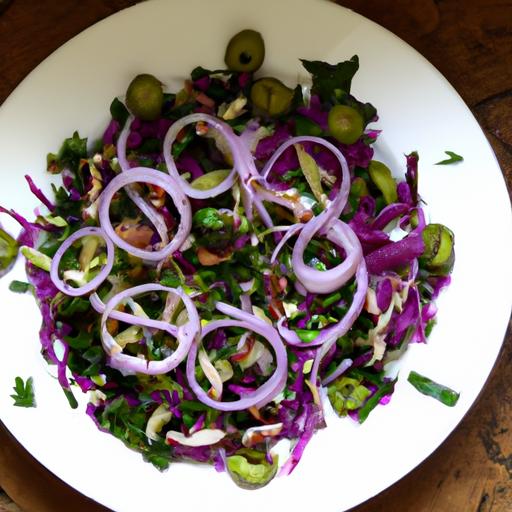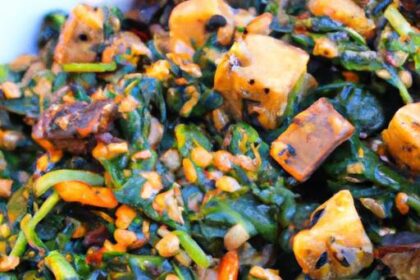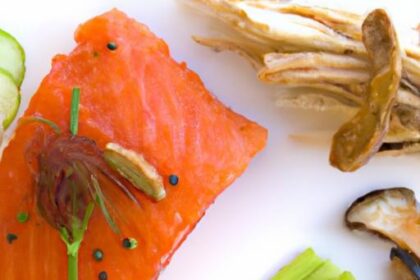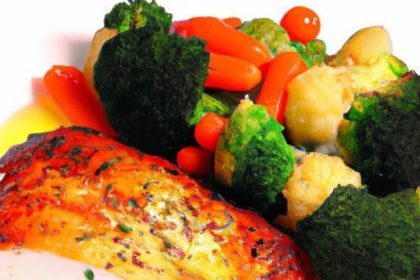



In a world increasingly aware of our environmental footprint,the quest for healthy living goes beyond just personal wellness-it embraces the health of our planet too. Enter Eco-Amiable Keto: a fresh take on the popular ketogenic diet that doesn’t just fuel your body with wholesome fats and low-carb goodness but also treads lightly on the Earth. Imagine a meal plan where buttery avocados and rich nuts meet sustainable sourcing and minimal waste, proving that ketogenic living and eco-conscious choices can thrive side by side. This article dives into how you can nurture your body while honoring the environment, turning your keto journey into a powerful act of sustainability.
Eco-Friendly Keto offers a refreshing take on the ketogenic lifestyle by embracing ingredients that honor both your health and the planet. customary keto staples, while effective for low-carb living, frequently enough rely heavily on resource-intensive meats and out-of-season produce that contribute to unneeded environmental strain. By thoughtfully selecting locally sourced and seasonal foods, and incorporating hearty plant-based proteins, you can cultivate a keto diet thatS not only nutritious but far more sustainable.
Prep and Cook Time
- Preparation: 15 minutes
- Cooking: 25 minutes
- Total Time: 40 minutes
Yield
Serves 4 hearty portions
Difficulty Level
Easy to Medium – perfect for keto enthusiasts eager to embrace greener choices
Ingredients
- 1 cup cooked lentils (preferably grown locally or organic)
- 2 cups kale, chopped and steamed
- 1 medium zucchini, diced
- 1/2 cup cherry tomatoes, halved (choose seasonal)
- 1 small red onion, finely chopped
- 3 cloves garlic, minced
- 2 tbsp extra virgin olive oil (cold-pressed)
- 1/4 cup walnuts, roughly chopped
- 1 tsp smoked paprika
- 1/2 tsp ground cumin
- Salt and freshly ground black pepper, to taste
- Fresh lemon juice from 1 lemon
- Handful fresh parsley, finely chopped for garnish
Instructions
- Heat 1 tablespoon of olive oil in a large skillet over medium heat. Add the minced garlic and chopped onion, sautéing untill fragrant and translucent, about 3-4 minutes.
- Add the diced zucchini and cook for an additional 5 minutes, stirring occasionally until slightly softened but retaining a slight crunch.
- Stir in the cooked lentils, kale, smoked paprika, and ground cumin. Cook for 5-7 minutes, allowing the flavors to meld. Season generously with salt and freshly ground black pepper.
- Toss in the halved cherry tomatoes and chopped walnuts. Cook just long enough to warm through, about 2 minutes, preserving the juicy bite of the tomatoes and the crunchy texture of the walnuts.
- Remove the skillet from heat and drizzle with the remaining tablespoon of extra virgin olive oil and fresh lemon juice. Stir gently to combine.
- Garnish with fresh parsley for a burst of color and brightness before serving.
Chef’s Notes
- For a variation, swap lentils with chickpeas or black soybeans to maintain a low-carb profile while boosting plant-based proteins.
- Use fresh, in-season vegetables to enhance flavor and reduce carbon footprint. Visit your local farmer’s market or join a community-supported agriculture (CSA) program to source ingredients sustainably.
- Pre-cook lentils or other legumes in bulk and store them refrigerated to save time on busy days.
- Toast walnuts lightly before adding to the dish for deeper,nuttier flavor and crunch.
- If you prefer a creamier texture, consider folding in a dollop of unsweetened coconut yogurt or almond-based sour cream right before serving.
Serving Suggestions
This vibrant, nutrient-dense dish shines on it’s own as a satisfying meal or as a colorful side plate. Serve it atop a bed of fresh baby spinach or alongside grilled organic chicken breast to balance plant and animal proteins.
Garnish generously with microgreens or sprouts and add a light sprinkle of nutritional yeast for a cheesy, umami twist while keeping it vegan.

| Nutrient | Per Serving |
|---|---|
| Calories | 320 kcal |
| Protein | 18 g |
| Carbohydrates | 19 g (Net Carbs: 10 g) |
| Fat | 20 g |
Reducing Waste and Embracing seasonality for an Eco-Friendly Keto
This dish exemplifies how the eco-friendly keto approach allows you to reduce waste by repurposing leftover cooked lentils and using entire vegetables-stems and all-while leaning on seasonal produce that thrives in your local climate. Choosing fresh, minimally packaged ingredients also reduces your carbon footprint considerably. Stretch your ingredients further by saving veggie scraps like kale stems and onion skins for homemade broth, creating zero waste and layering in even more flavor.
For further tips on sustainable eating and keto-friendly swaps, visit our Sustainable Keto Tips page. To deepen your understanding of the environmental impacts tied to food choices, check out the resources provided by the EPA Green Living Guide.
Q&A
Q&A: Eco-Friendly Keto – A Sustainable Meal Plan for Healthy Living
Q1: What is Eco-Friendly Keto, and how does it differ from a traditional ketogenic diet?
A: Eco-Friendly Keto combines the principles of the ketogenic diet-low carb, moderate protein, high healthy fats-with a focus on sustainability and environmental responsibility. Unlike a traditional keto approach that can frequently enough rely heavily on resource-intensive or processed foods, Eco-Friendly Keto prioritizes locally sourced, plant-forward ingredients, sustainable animal proteins, and minimizes food waste to reduce your carbon footprint while fueling your body.
Q2: Can keto really be sustainable, given that it frequently enough emphasizes animal fats and proteins?
A: Absolutely! Sustainability on keto is about choosing the right sources. Instead of defaulting to conventional meats, eco-Friendly Keto encourages incorporating pasture-raised poultry, sustainably caught seafood, and seasonal vegetables.Additionally, plant-based fats like avocados, nuts, seeds, and olives play a starring role. It’s about balance and conscious choices that nourish both you and the planet.
Q3: what are some eco-friendly protein options suitable for a keto diet?
A: Think of wild-caught fish like salmon or sardines, free-range chicken, eggs from pasture-raised hens, and plant proteins such as hemp seeds and pea protein isolates. These options tend to have a lower environmental impact compared to industrially farmed meat. Pairing these with fibrous, low-carb vegetables creates satisfying, nutritious meals without compromising sustainability.
Q4: How can one maintain variety and flavor while following an Eco-Friendly Keto meal plan?
A: Creativity is key! Use herbs and spices generously to transform simple ingredients. Try different types of nuts and seeds for texture and crunch, experiment with fermented vegetables for tang, and embrace the vibrant colors of seasonal produce. Incorporating homemade sauces made from coconut milk, tahini, or avocado provides richness and diversity while keeping meals exciting and palate-friendly.
Q5: Are there specific keto-friendly vegetables that are more sustainable than others?
A: Yes! Choosing locally grown, seasonal vegetables is essential for sustainability. Leafy greens like kale,spinach,and Swiss chard,cruciferous veggies such as broccoli and cauliflower,and fibrous options like zucchini and asparagus flourish in many regions and tend to have a lower environmental footprint when consumed in season. Avoiding out-of-season imports also helps reduce your diet’s carbon cost.
Q6: What role do fats play in eco-Friendly Keto, and which sources are the most planet-friendly?
A: Healthy fats provide energy and satiety on keto, and choosing sustainable fats is crucial. Extra virgin olive oil, avocado oil, coconut oil, nuts like almonds and walnuts, and seeds such as chia and flax are excellent, environmentally conscious choices. These fats come from renewable plant sources and typically require less water and land compared to animal fats.
Q7: How can someone reduce food waste while following an Eco-Friendly Keto plan?
A: Meal planning is a great start-shop with a list focused on your week’s recipes to avoid overbuying. Use veggie scraps for broths, repurpose leftovers creatively, and freeze excess foods before they spoil. Composting any unavoidable waste helps close the loop, returning nutrients back to the soil. With mindful habits, both your plate and the planet benefit.
Q8: Is it possible to enjoy indulgent foods on an Eco-Friendly Keto diet without guilt?
A: Absolutely! Think rich, satisfying flavors crafted from wholesome ingredients: creamy avocado chocolate mousse, nut butter fat bombs, or roasted salmon with herb garlic butter. By emphasizing quality over quantity and savoring every bite, indulgence becomes a nourishing ritual rather than overconsumption, aligning wellness with sustainability.
Q9: How does Eco-Friendly Keto contribute to overall health beyond weight management?
A: By focusing on nutrient-dense, minimally processed foods and sustainable choices, Eco-Friendly Keto supports gut health, reduces inflammation, and provides steady energy levels. The diet encourages a diverse intake of vitamins,minerals,antioxidants,and omega-3 fatty acids-all critical elements for vibrant health and longevity,while respecting the planet’s resources.
Q10: Where can beginners start when transitioning to an Eco-Friendly Keto lifestyle?
A: Begin by assessing your pantry and local markets. Opt for whole, fresh foods and gradually swap usual staples for more sustainable keto-friendly alternatives.Embrace meal prepping and explore seasonal produce options in your area. Educate yourself on environmental impacts of various foods and enjoy the journey-a healthier, happier you and planet await!
In Conclusion
Embracing eco-friendly keto isn’t just a diet-it’s a dynamic lifestyle choice that nourishes your body while honoring the planet. By thoughtfully selecting sustainable ingredients and minimizing waste, you can savor the rich flavors and health benefits of keto without compromising the Earth’s future. As you embark on this balanced journey, remember that every mindful meal is a step toward a healthier you and a greener world. So, let your plate be a palette of vibrant, guilt-free choices-fueling wellness in harmony with nature, one delicious bite at a time.