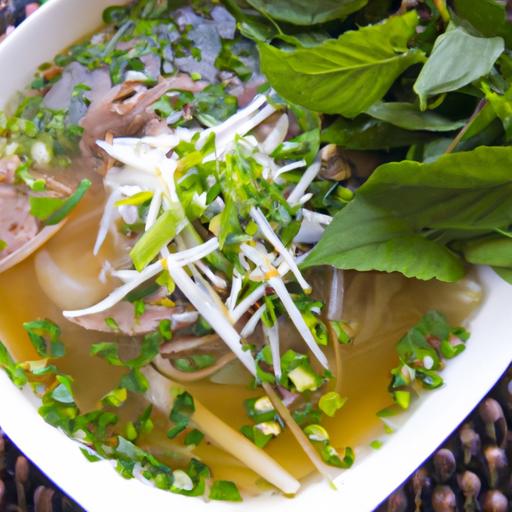

In the vibrant world of Vietnamese cuisine,pho stands as a beloved comfort food,celebrated for its fragrant broth,tender noodles,and fresh herbs. Yet, for those navigating a gluten-free lifestyle, enjoying an authentic bowl of pho can feel like a challenge, often involving trade-offs in flavor or texture. What if you could savor the rich, complex notes of traditional pho without compromise? this guide unveils an authentic gluten-free pho recipe that honors the time-honored techniques and bold flavors of the classic dish-proving that dietary restrictions need not dull your culinary adventures. Prepare to embark on a sensory journey where every sip delivers warmth, depth, and genuine Vietnamese soul, all gluten-free and utterly irresistible.
The Authentic Gluten-Free Pho Recipe is a celebration of aromatic complexity and comforting textures, masterfully crafted to bring you flavor without compromise. Rooted in Vietnamese tradition yet thoughtfully adapted for gluten sensitivities, this pho delivers the soulful essence of a classic broth infused with carefully selected gluten-free ingredients, making every slurp deeply satisfying and authentically vibrant.
Prep and Cook Time
Planning: 30 minutes | Cooking: 4 hours | Total: 4 hours 30 minutes
Yield
Serves 6 generous bowls
Difficulty Level
Medium – Ideal for home cooks ready to elevate their culinary skills with patient simmering and mindful layering of flavors.
Essential Gluten-Free Ingredients for an authentic Flavor Experience
- 3 lbs beef bones (preferably marrow and knuckle bones, thoroughly blanched)
- 1 yellow onion, halved and charred
- 1 large piece of ginger (about 4 inches), sliced and charred
- 4 star anise pods
- 3 cinnamon sticks
- 5 whole cloves
- 1 tablespoon coriander seeds, toasted
- 1 tablespoon fennel seeds, toasted
- 1/4 cup coconut aminos (gluten-free soy alternative for that umami punch)
- 1 tablespoon rock sugar or substitute with organic cane sugar
- Salt, to taste
- Gluten-free rice noodles (bánh phở style, flat and wide)
- grass-fed beef slices, thinly shaved (such as sirloin or eye of round)
- Fresh herbs: Thai basil, cilantro, mint, and sawtooth coriander
- Bean sprouts, rinsed
- Lime wedges and thinly sliced chilies
Step-by-Step Guide to Building Texture: Noodles, Proteins, and Fresh Herbs
- Prepare the Broth Base: Begin by blanching beef bones in boiling water for 10 minutes to remove impurities. Rinse bones thoroughly and place in a large stockpot filled with 5 quarts of fresh water.
- Char Aromatics: Using an open flame or broiler, char the halved onion and sliced ginger until blackened spots appear-this adds smoky depth to your broth.
- Toast Spices: In a dry skillet over medium heat, toast star anise, cinnamon sticks, cloves, coriander seeds, and fennel seeds until fragrant (about 2-3 minutes). Tie these spices in a cheesecloth bundle for easy removal.
- Simmer Slowly: Add charred onion, ginger, and spice bundle to the pot. Simmer uncovered for 4 hours on low heat, skimming any foam or fat that surfaces to maintain clarity.
- Season Precisely: About 30 minutes before finishing, stir in coconut aminos and rock sugar. Taste and adjust salt as needed, ensuring balanced umami without overpowering sweetness.
- Prepare noodles: Soak gluten-free rice noodles in warm water for 20 minutes,then drain. Just before serving, cook noodles in boiling water for 30 seconds to 1 minute, until tender but still slightly chewy, then drain again.
- Slice Proteins: Arrange thinly sliced beef on a platter, ensuring slices are near-freezing to allow speedy cooking in hot broth upon serving.
- Assemble Bowls: Divide noodles into warm bowls, top with raw beef slices, bean sprouts, and an assortment of fresh herbs. Pour steaming hot broth directly over the meat to gently cook it, creating tender morsels bursting with flavor.
tips and Tricks to Enhance Your Pho Without Sacrificing Authenticity
- Layer Your Flavors: Don’t rush the simmering process. Low and slow extraction yields the richest broth,while consistent skimming ensures pristine clarity.
- Use Coconut Aminos: This gluten-free alternative mimics the savory depth of soy sauce without gluten’s nuisances.
- Freeze meat Thin Slices: Slightly freezing beef before slicing paper-thin makes the process easier and ensures quick, even cooking when added to broth.
- Control Your Heat Level: Add sliced fresh chilies or Sriracha on the side so everyone can customize their bowl without diluting authentic flavors.
- Make-Ahead Broth: Store broth in airtight containers in the fridge for up to 3 days or freeze in portions. Reheat gently, adding fresh aromatics if needed.
- Find Gluten-Free Noodles: Check specialty Asian markets or online sources for traditional-style bánh phở rice noodles labeled gluten-free to maintain authentic texture.
Serving Suggestions
Present your pho with a vibrant platter of fresh garnishes nearby: sprightly Thai basil leaves, crisp bean sprouts, sprigs of cilantro, bright mint, thin lime wedges, and fiery red chili slices. A drizzle of gluten-free hoisin sauce or sriracha adds optional layers of sweetness and heat. Serve with sturdy chopsticks and a deep ceramic soup spoon to savor each aromatic and comforting bite fully.

Nutritional Information (Per Serving)
| Calories | Protein | Carbs | Fat |
|---|---|---|---|
| 350 kcal | 30 g | 40 g | 7 g |
Explore more about gluten-free Asian noodles in our Comprehensive Gluten-Free Asian Noodle Guide or deepen your knowledge about pho’s origins through Smithsonian Magazine’s feature on Vietnamese Pho.
Q&A
Q&A: Authentic Gluten-Free Pho Recipe-Flavor Without Compromise
Q1: What makes pho traditionally gluten-free, and why is it sometimes tricky to prepare gluten-free at home?
A: pho, a beloved Vietnamese noodle soup, is traditionally made with rice noodles, clear broth, fresh herbs, and proteins like beef or chicken, making it naturally gluten-free.However, homemade pho can become less authentic if gluten-containing sauces or flavorings-like certain soy sauces or seasoning blends-creep in. The trick is selecting truly gluten-free ingredients while preserving that rich, aromatic broth and fresh, vibrant toppings.
Q2: What are the key ingredients to focus on when making gluten-free pho?
A: The magic lies in a few essentials: bones (usually beef or chicken), fresh spices (star anise, cinnamon, cloves), fresh herbs (cilantro, Thai basil), rice noodles certified gluten-free, and a well-balanced seasoning blend made from gluten-free fish sauce and other naturally gluten-free condiments. These elements combine to deliver the soul of pho without compromising flavor or texture.
Q3: How can I make a deep, flavorful gluten-free broth?
A3: Slow-simmer bones with charred onion, ginger, and whole spices. Use gluten-free fish sauce and a touch of sweetener, avoiding non-certified broths or soy sauce, to build authentic umami flavors.
Q4: Can gluten-free rice noodles mimic traditional pho noodles?
A4: Yes! Pure rice flour noodles offer the silky, chewy texture of pho. Ensure they’re gluten-free certified and soak or briefly boil to maintain their integrity for the perfect broth pairing.
Q5: What fresh herbs and garnishes should I prepare to elevate my gluten-free pho experience?
A: Think vibrant and aromatic: fresh Thai basil, cilantro, mint, lime wedges, bean sprouts, thinly sliced chilies, and green onions are classic. These fresh accents add brightness, spice, and texture, balancing the savory broth and tender meat. Layering these garnishes is part of the ritual-and the flavor explosion!
Q6: Are there any common misconceptions about gluten in pho ingredients I should watch out for?
A: Yes! Many assume all fish sauces or soy sauces are gluten-free; however, some soy sauces include wheat. Always check labels or opt for tamari or gluten-free fish sauce. Also,certain packaged spice blends or broth bases may hide gluten,so fresh spices and homemade broth are your safest bets for authenticity and peace of mind.
Q7: How can I customize my gluten-free pho for different dietary preferences without losing authenticity?
A: Keep the broth traditional and let your toppings do the talking! For a vegetarian spin, use a rich mushroom broth with gluten-free seasoning but maintain the aromatic spice profile. For meat lovers, lean cuts of beef or tender chicken work beautifully. The beauty of pho lies in its adaptability-just keep the core ingredients authentic and gluten-free for maximum flavor.
Q8: What’s the most crucial tip for someone attempting their first authentic gluten-free pho at home?
A: Embrace the process! Great pho requires slow simmering and fresh ingredients. Prioritize homemade broth with fresh spices, use certified gluten-free rice noodles, and stock up on fresh herbs. Don’t rush the broth-flavor development is all about patience. with care, you’ll create a bowl that honors tradition and delights with every sip-gluten-free and gorgeous.
Insights and Conclusions
As you embark on your gluten-free pho journey, remember that authenticity isn’t about rigid rules-it’s about honoring tradition while embracing your unique needs. This recipe proves that vibrant, soul-warming pho can be crafted without compromise, where every sip sings with depth and every bite tells a story. So gather your ingredients, simmer your broth with care, and savor a bowl that’s truly your own-rich in flavor, free from gluten, and full of heart. Your perfect pho awaits, ready to transform a simple meal into an unforgettable experience.