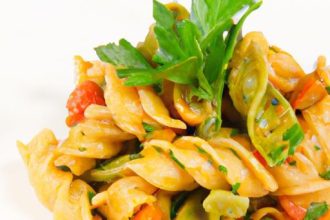

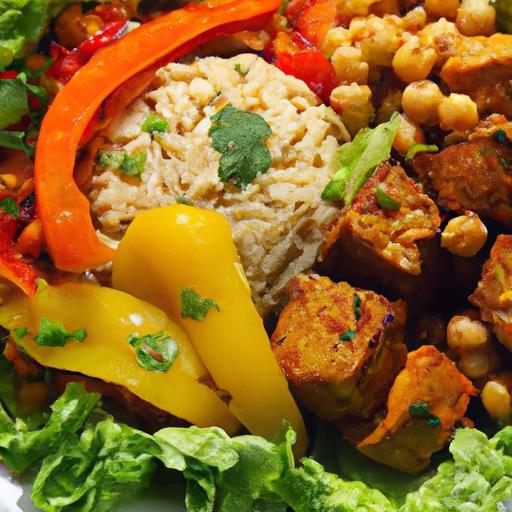
Buddha bowls are a vibrant, nourishing way to enjoy meals, and going gluten- and dairy-free doesn’t mean sacrificing flavor. These bowls combine wholesome, colorful ingredients for a satisfying mix of textures and tastes—perfect for plant-based eaters or anyone seeking healthy, delicious options. Enjoy a flavorful journey that delights your senses while fueling your body.
discovering Nutrient-Packed Ingredients for Flavorful Buddha Bowls
Delicious Gluten-Free & Dairy-Free Buddha Bowl Recipes to Try begin by embracing vibrant, nutrient-rich ingredients that not only nourish your body but excite your palate with every bite. From crunchy roasted chickpeas to creamy avocado slices and jewel-toned roasted beets, these bowls are a festivity of contrasting textures and bold flavors. Originating from ancient Buddhist traditions, modern bowls have evolved into a canvas for fresh, wholesome ingredients – perfect for those seeking a balanced and satisfying meal that meets gluten-free and dairy-free needs.
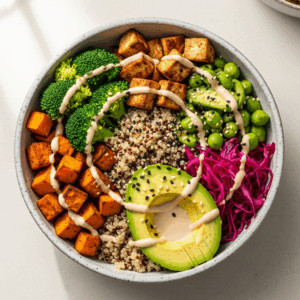
Start with a base of nutrient-dense grains or greens like quinoa,brown rice,or baby kale.Add colorful veggies such as sweet roasted sweet potatoes, shredded purple cabbage, and radiant bell peppers for both eye appeal and antioxidant power.Each component is chosen not only for flavor but for its invaluable contribution to a balanced meal full of fiber, vitamins, and minerals.
Prep and Cook Time
- Readiness: 20 minutes
- Cooking: 25 minutes
- Total Time: 45 minutes
Yield
Serves 4 generous portions,perfect for sharing a wholesome family lunch or prepping meals ahead.
Difficulty Level
Easy to Medium – accessible for home cooks of all skill levels seeking nutrient-dense, allergy-friendly bowls.
ingredients
- 1 cup cooked quinoa, fluffy and cooled
- 1 large sweet potato, peeled and cubed
- 1 cup canned chickpeas, rinsed and drained
- 2 tbsp olive oil, divided
- 1 tsp smoked paprika
- ½ tsp ground cumin
- 2 cups baby kale, chopped
- ½ cup shredded purple cabbage
- 1 ripe avocado, sliced
- 1 medium carrot, julienned
- ¼ cup chopped fresh cilantro
- salt and black pepper, to taste
- 1 tbsp toasted sesame seeds, for garnish
- For the dressing:
- 3 tbsp tahini
- 2 tbsp fresh lemon juice
- 1 tbsp maple syrup
- 1 tsp Dijon mustard
- 2-3 tbsp warm water, to thin
- Salt, a pinch
- Fresh cracked black pepper, to taste
Mastering the Art of Balanced Gluten-Free and Dairy-Free Dressings
The secret to elevating Delicious Gluten-Free & Dairy-Free Buddha Bowl Recipes to try lies in the dressing. Tahini’s rich, nutty creaminess paired with zesty lemon juice and a touch of sweet maple syrup creates harmony on your palate, bringing all ingredients together beautifully. The dijon mustard adds subtle depth while the warm water ensures the dressing is luxuriously smooth yet pourable – an essential balance to coat your vibrant veggies without overpowering them.
To achieve a seamless dressing,whisk the tahini and lemon juice first until thick and creamy,then slowly drizzle in warm water. Adjust thickness to your liking – thinner for drizzling, thicker for dollops atop the bowl. This dressing is naturally gluten-free and dairy-free, making it a versatile choice for various dietary needs without compromising flavor.
Creative Protein Options to power your Buddha Bowls
Boost the protein content by swapping in or adding flavorful options like spiced lentils, grilled tofu marinated in tamari and ginger, or crispy baked tempeh cubes. These plant-based proteins add textural contrast and keep your bowls hearty and fulfilling. For variety,sprouted mung beans or edamame also deliver a punch of protein while enhancing visual appeal with bright green hues.
Don’t forget that chickpeas-found in our core recipe-are a superb source of plant-based protein,fiber,and essential minerals. Roasting them spiced with paprika and cumin adds savory crunch that transforms each bite into an exciting adventure of flavor and nutrition.
Step-by-step guide to Building Vibrant and Satisfying Buddha Bowl Recipes
- Preheat oven to 400°F (200°C). Toss cubed sweet potatoes with 1 tbsp olive oil, salt, smoked paprika, and cumin. Spread evenly on a baking sheet and roast for 20-25 minutes until tender and lightly caramelized.
- Meanwhile,prepare roasted chickpeas. Pat chickpeas dry, toss with remaining 1 tbsp olive oil, a pinch of salt, and smoked paprika. Spread on a separate baking tray and roast for 20 minutes until crisp,shaking the pan halfway through.
- Cook quinoa according to package instructions. Set aside to cool slightly.
- Prepare the dressing: Whisk tahini and lemon juice in a small bowl until creamy. Add maple syrup and Dijon mustard, stirring to combine. Gradually add warm water to reach desired consistency. season with salt and pepper.
- Assemble your bowl: Place quinoa or baby kale as your base in bowls. Layer roasted sweet potatoes, chickpeas, shredded cabbage, julienned carrot, and avocado slices.
- Drizzle dressing generously over the assembled bowl. Sprinkle with toasted sesame seeds and chopped cilantro for fresh herbal brightness and crunch.
- Serve instantly for the best texture, or refrigerate components separately for meal prep convenience.
Chef’s Notes & Tips for Success
- Substitute quinoa with brown rice or gluten-free millet for unique textures.
- For extra crunch, add roasted pumpkin seeds or walnuts as garnish.
- Prepare dressing in advance; it keeps well refrigerated for up to 3 days.
- use fresh seasonal vegetables to customize your bowl’s colors and flavors.
- Warm the bowl briefly before serving if you prefer a cozy,comforting meal.
Serving Suggestions
Present your bowls in wide, shallow dishes to showcase the colorful layers. Garnish with vibrant herbs such as cilantro or parsley, a sprinkle of sesame seeds, or a wedge of lemon on the side for an extra zest boost. These Buddha bowls pair wonderfully with light,sparkling mineral water or a refreshing iced herbal tea. To complement the flavors, consider a side of gluten-free flatbread or crispy plantain chips.

| Nutrient | Per Serving |
|---|---|
| Calories | 420 kcal |
| Protein | 14 g |
| Carbohydrates | 55 g |
| Fat | 15 g |
For more inspiration on allergy-friendly meal ideas, explore our Healthy Gluten-Free Dinner Recipes collection. Additionally, learn about the science behind plant-based proteins through this trusted nutrition resource.
Q&A
Q&A: Delicious Gluten-Free & dairy-Free Buddha Bowl Recipes to try
Q1: what makes a Buddha bowl both gluten-free and dairy-free?
A1: A buddha bowl becomes gluten-free and dairy-free by focusing on naturally wholesome, plant-based ingredients that don’t contain gluten or dairy. This means selecting gluten-free grains like quinoa or brown rice, fresh vegetables, legumes, nuts, seeds, and dairy-free dressings made from ingredients like tahini, lemon, or avocado. The key is to avoid any wheat,barley,rye,or dairy derivatives while embracing vibrant,nutrient-dense foods.
Q2: Can Buddha bowls be filling enough without traditional proteins like cheese or gluten-containing grains?
A2: Absolutely! Buddha bowls thrive on variety and balance. Plant proteins such as chickpeas, black beans, tofu, tempeh, and edamame provide ample protein, while healthy fats from avocado, nuts, and seeds enhance satiation. Combining these with fiber-rich veggies and gluten-free whole grains creates a satisfying, energy-boosting meal that leaves you feeling nourished and full.
Q3: What are some creative gluten-free grains I can use in Buddha bowls?
A3: Beyond quinoa and brown rice, there’s a colorful world of gluten-free grains like millet, amaranth, buckwheat groats (which are actually seeds), and teff. These add unique textures and flavors to your bowls, expanding your culinary horizon while keeping your meals safe and delicious.
Q4: How can I make a dairy-free dressing that complements a Buddha bowl?
A4: Dairy-free dressings are simple to whip up and endlessly versatile. Consider stirring tahini with lemon juice, garlic, and a splash of warm water for a creamy texture.Alternatively, blend avocado with lime juice and cilantro for a bright, silky drizzle.Nut butters like almond or cashew, blended with apple cider vinegar and a touch of maple syrup, also make delicious dressings that enhance every bite.
Q5: Are Buddha bowls suitable for meal prepping?
A5: Definitely! buddha bowls are ideal for meal prepping as you can prepare each component separately-cook grains,roast vegetables,and make your dressing in advance. Store them in airtight containers and assemble just before eating to maintain freshness and texture.This way, nutritious and vibrant meals are ready whenever hunger strikes.
Q6: What are some flavorful vegetables that work well in gluten-free,dairy-free Buddha bowls?
A6: roasted sweet potatoes,crispy kale,steamed broccoli,shredded red cabbage,roasted beets,and fresh cucumber all bring dynamic colors and flavors. These veggies not only add crunch and sweetness but also pack a nutritional punch, making your Buddha bowl a feast for both eyes and palate.
Q7: How can I add a satisfying crunch or texture contrast to my Buddha bowls without gluten or dairy?
A7: Texture is a star player in Buddha bowls! Crunchy roasted chickpeas, toasted pumpkin seeds, sliced almonds, or crispy baked tofu cubes create delightful contrasts. You can also add fresh raw veggies like radishes or snap peas for a refreshing crispness to every forkful.
Q8: Is it easy to customize Buddha bowls for diffrent dietary needs beyond gluten and dairy restrictions?
A8: Absolutely! One of the beauties of Buddha bowls is their adaptability. Whether you’re vegan,low-carb,nut-free,or simply craving certain flavors,you can swap ingredients freely-load up on greens,pick different protein sources,or opt for a spicy or tangy dressing. The bowl’s framework encourages creativity while respecting your dietary preferences.
Q9: How important are herbs and spices in making Buddha bowls delicious?
A9: Herbs and spices are the magic that transforms simple ingredients into a flavor-packed experience. Fresh parsley, cilantro, mint, or basil can brighten a bowl, while spices like cumin, smoked paprika, turmeric, or za’atar add warmth and depth. Don’t be shy-experimenting with these seasonings can elevate your Buddha bowl from ordinary to extraordinary.
Q10: Where should I start if I’m new to making gluten-free and dairy-free Buddha bowls?
A10: Begin with a basic template: choose a base grain (like quinoa), add a variety of colorful veggies, toss in a protein source (like chickpeas or tofu), sprinkle seeds or nuts for texture, and finish with a homemade dairy-free dressing. from there, explore new ingredients and flavor combinations to find your personal favorite bowl-compassionate to your body and joyful to your taste buds!
The Conclusion
As you embark on your journey to wholesome, vibrant eating, these delicious gluten-free and dairy-free Buddha bowl recipes offer more than just meals-they’re colorful celebrations of health and flavor. whether you’re catering to dietary needs or simply seeking nourishing variety, each bowl invites you to mix, match, and personalize with endless ingredients that satisfy both body and soul. So grab your favorite grains, fresh veggies, and creative toppings, and let these bowls become your go-to canvas for radiant, guilt-free dining. Remember, healthy eating doesn’t have to be complicated-it just needs a little inspiration and a bowl full of goodness.