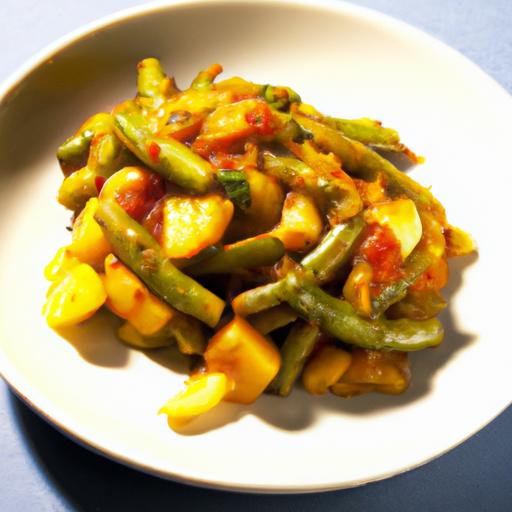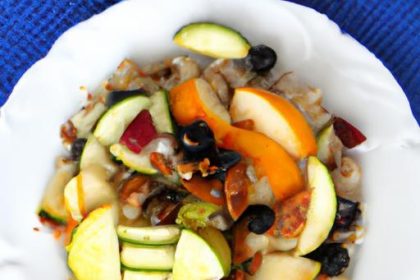



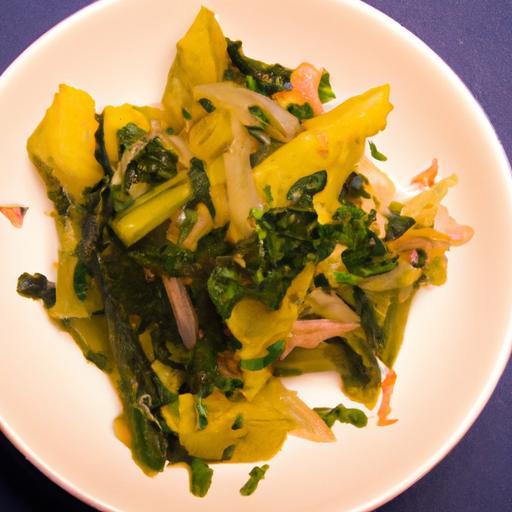
In the pursuit of sustainable living, adopting a zero waste approach in the kitchen is essential. Creative vegan cooking offers numerous opportunities to minimize waste by utilizing every part of the ingredients. This not only enhances the flavor and nutritional value of dishes but also promotes environmental responsibility. By embracing innovative cooking techniques and meal planning, individuals can significantly reduce their ecological footprint while enjoying a diverse and satisfying plant-based diet.
In a world where every crumb counts and every peel holds potential, the art of cooking transcends mere nourishment—it becomes a conscious act of stewardship. “Waste Nothing: Creative Vegan Cooking Tips for Zero Waste Living” invites you on a flavorful journey where scrappy scraps transform into culinary treasures and the humble vegetable stem gains newfound respect. Embracing a zero waste lifestyle isn’t just about tossing less into the bin; it’s about reimagining the kitchen as a hub of creativity, sustainability, and mindful living. Whether you’re a seasoned vegan or simply curious about reducing your environmental footprint, these inventive zero waste Living tips will help you savor every bite while honoring the planet—one flavorful dish at a time.
Zero waste Living is the mantra that guides every thoughtful vegan kitchen, and embracing root-to-stem cooking is one of the most satisfying ways to bring this philosophy alive. Transforming overlooked vegan scraps into rich, gourmet broths and bold condiments not only amplifies flavor but also champions sustainability by reducing waste to nearly zero. Imagine simmering vibrant carrot tops, earthy mushroom stems, and fragrant onion skins into a broth that brims with depth and character—this is comfort and creativity distilled. Paired with smart storage strategies and innovative meal planning, you’ll unlock the full potential of every ingredient while extending freshness and cutting down spoilage in your plant-based pantry, making zero waste living cooking both achievable and delicious.
Prep and Cook Time
- Preparation: 15 minutes
- Simmering: 1 hour
- Total time: 1 hour 15 minutes
Yield
Makes approximately 6 cups of versatile vegan broth
Difficulty Level
Easy to Medium
Ingredients
- 3 cups assorted vegetable scraps (carrot tops, celery ends, mushroom stems, onion skins, garlic peels)
- 1 large onion, quartered
- 2 cloves garlic, smashed
- 1 medium carrot, chopped
- 2 stalks celery, chopped
- 1 teaspoon whole black peppercorns
- 1 bay leaf
- 8 cups filtered water
- 1 teaspoon sea salt (optional)
Instructions
- Collect and rinse all your vegetable scraps thoroughly.Root-to-stem cooking shines brightest when you embrace ingredients that might normally be discarded, so don’t hesitate to gather those peels and ends.
- In a large stockpot, combine all scraps, onion, garlic, carrot, and celery. Add the whole peppercorns,bay leaf,and sea salt if using.
- Pour in the filtered water, ensuring the veggies are fully submerged, then bring to a rolling boil over medium-high heat.
- Once boiling, reduce heat to low and allow the broth to simmer gently, uncovered, for about 60 minutes. Stir occasionally to coax out maximum flavor.
- Strain the broth through a fine-mesh sieve or cheesecloth into a clean container, pressing down on the solids to extract every fragrant drop.
- let the broth cool to room temperature, then refrigerate for up to 5 days or freeze portions in airtight containers for up to 3 months.
Chef’s Notes: tips for Success
- Save scraps consciously: Keep a sturdy container in your fridge solely for vegetable scraps, rinsing them regularly to avoid browning or spoilage.
- Custom flavor profiles: Add herbs like thyme, parsley stems, or a strip of kombu seaweed to deepen umami and brightness.
- Avoid bitterness: Do not include cruciferous stems (like broccoli or cauliflower) as they can impart bitterness to your broth.
- Make-ahead convenience: Freeze broth in ice cube trays for easy, measured additions to sauces, stews, or grains.
- Repurpose solids: puree the strained vegetables into a veggie pate or compost them to close the loop sustainably.
Serving Suggestions
This vibrant vegan broth is a powerhouse base for soups, stews, and risottos. Try serving it as a delicate clear broth garnished with fresh microgreens, thinly sliced spring onion, and a drizzle of toasted sesame oil for a minimal yet elegant appetizer. When used as a cooking liquid for grains or legumes, it infuses a savory depth that elevates everyday dishes effortlessly.

| Nutrient | Per 1 Cup |
|---|---|
| Calories | 20 kcal |
| Protein | 1 g |
| Carbohydrates | 4 g |
| fat | 0 g |
Smart Storage Solutions for Freshness
To maximize your zero waste success,store your vegetable scraps in a breathable container lined with a clean cloth inside the fridge to prevent excess moisture buildup. Use glass jars with airtight lids for your finished broths and condiments, labelling each with dates to ensure freshness. consider vacuum-sealing or freezing to extend the shelf life, reducing the temptation to discard before you’ve truly utilized every drop.
Innovative Meal Planning Strategies
When designing your weekly menu, start by incorporating broths and homemade condiments from your saved scraps. Plan meals around these rich bases, turning what once might have been waste into a gourmet asset. Batch-cook staples like grains and legumes to pair with your broths, then creatively remix leftovers with fresh produce to keep meals exciting and lasting throughout the week.
For further inspiration on sustainable cooking habits and zero waste culinary creativity, visit our Zero Waste Vegan Kitchen series. To deepen your understanding of plant-based nutrition and environmental impact, Forks Over Knives offers excellent resources.
Q&A
Q&A: Waste Nothing – Creative Vegan Cooking Tips for Zero Waste Living
Q: What does “zero waste living” mean in the context of vegan cooking?
A: Zero waste living embraces the art of using every ingredient to its fullest potential, minimizing food scraps, packaging waste, and discarded materials. In vegan cooking, it means rethinking conventional recipes to incorporate all parts of plants-peels, stems, seeds-and transforming them into delicious meals or snacks, ensuring nothing is wasted from farm to fork.
Q: How can I creatively use vegetable scraps that usually get tossed?
A: Vegetable scraps are treasure troves! Save onion skins and carrot peels for homemade vegetable stocks, repurpose broccoli stems into slaws or stir-fries, and pulse wilted leafy greens like kale or spinach into vibrant pestos or dips. Even potato peels can be baked into crispy chips,turning what was once kitchen waste into tasty treats.
Q: Are there inventive ways to use fruit scraps in vegan cooking?
A: Absolutely! Citrus peels can be zested or candied for sweet snacks, or dried and ground into natural flavor enhancers. Apple cores and banana peels can ferment into vinegar or be composted into soil boosters. Even strawberry tops can simmer into syrups or infused waters-these little extras bring depth and sustainability to your culinary creativity.
Q: How do I store herbs and leafy greens to reduce waste?
A: Treat fresh herbs like cut flowers: trim the stems and place them upright in a glass of water, then loosely cover with a plastic bag and refrigerate. For leafy greens, wash and spin-dry thoroughly, then wrap in a breathable cloth or paper towel inside an airtight container. When nearing their end, blend them into smoothies, soups, or sauces, giving fresh flavor a second life.
Q: What zero waste tips apply to pantry staples in vegan cooking?
A: Buy dry goods like grains, beans, and nuts in bulk, using your own reusable containers to cut down on packaging waste. Store leftovers of soaked beans or cooked grains in airtight glass jars to keep them fresh. Harness by-products like aquafaba (the liquid from cooked chickpeas) as an egg substitute in baking, turning what might be discarded into a culinary star.
Q: How can I reduce food waste when meal planning as a vegan?
A: Plan meals that use overlapping ingredients to ensure no excess lingers unused. Such as, cook large batches of lentils or quinoa and transform them throughout the week-one day as a salad, next as veggie burger patties, and then in a hearty stew. Get creative with “fridge clean-out” days where you combine odds and ends into soups, stir-fries, or grain bowls.
Q: Are homemade vegan condiments a zero waste strategy?
A: Yes! Making your own condiments lets you control ingredients and reduce packaging. Use leftover seeds to make tahini,transform fermented veggies into tangy kimchi or sauerkraut,and craft your own nut or seed cheeses that utilize pulp from homemade plant milks. These creations not only reduce waste but elevate your meals with unique flavors and textures.
Q: What tools or kitchen habits support zero waste vegan cooking?
A: Invest in sturdy reusable storage like glass jars and silicone bags to keep ingredients fresh longer. Use compost bins for unavoidable scraps and consider freezer storage to preserve leftovers and excess produce. Cultivate habits like regular kitchen inventory checks and creative repurposing of leftovers to keep waste off your plate and out of the landfill.
Q: How does embracing zero waste cooking enhance my vegan culinary experience?
A: Zero waste cooking turns mindful eating into an inspiring journey. It encourages creativity, connecting you deeply with each ingredient’s potential, flavor, and story.By honoring every peel and seed, you reduce environmental impact while discovering surprising textures and tastes-making each meal nourishing for the body and kind to the planet.
Waste nothing, savor everything – your vegan kitchen can be a beautiful playground for creativity and sustainability!
Concluding Remarks
Embracing Zero Waste Living in the kitchen isn’t just about minimizing scraps—it’s a creative journey that transforms every peel, stalk, and seed into an opportunity. By rethinking how we use our ingredients and approaching vegan cooking with resourceful curiosity, Zero Waste Living helps us reduce waste, save money, and nourish both our bodies and the planet. So next time you chop, simmer, or blend, remember: practicing Zero Waste Living means wasting nothing—and watch your kitchen become a hub of sustainable, delicious innovation. With Zero Waste Living, every ingredient gains value, every meal becomes purposeful, and your plant-based cooking reaches its full potential.