
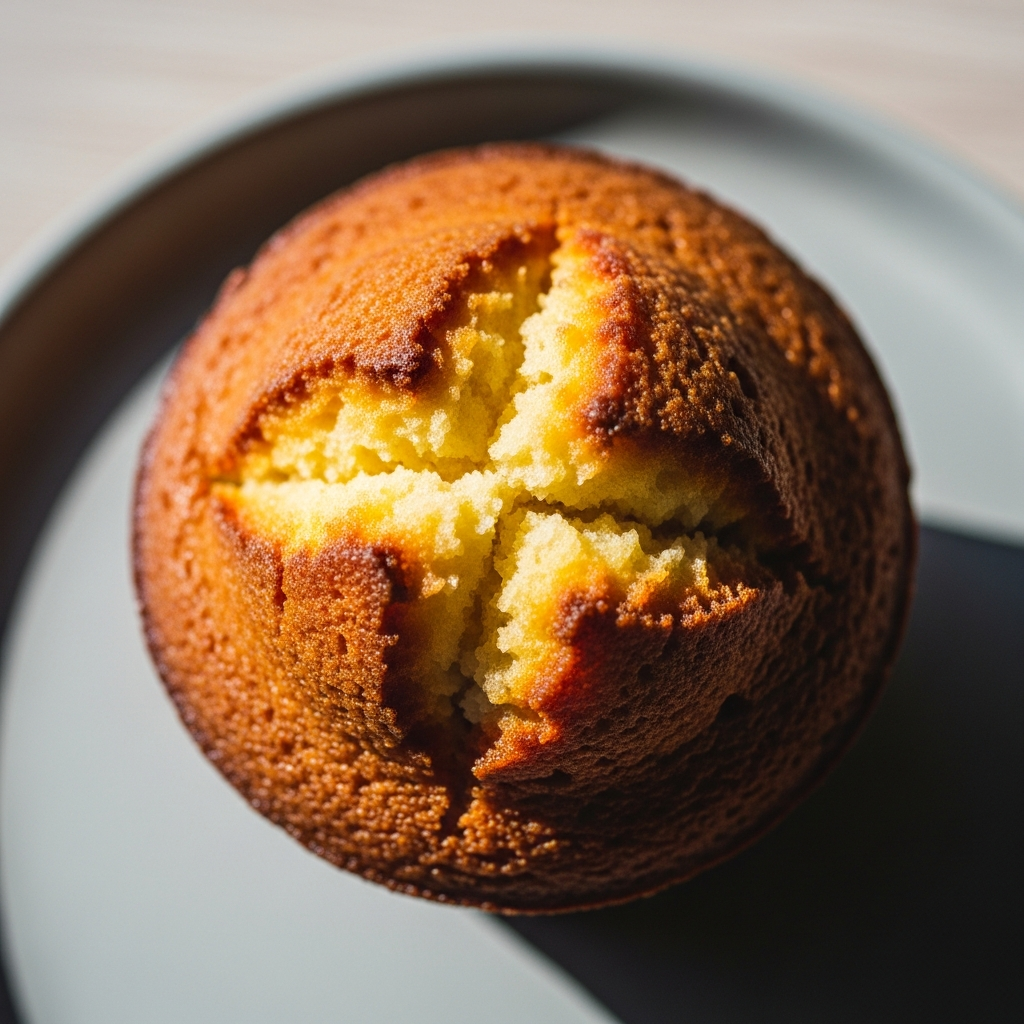
In a world where flavors know no bounds, the art of gluten-free cooking has blossomed into a vibrant tapestry of creativity and possibility. Whether you’re navigating dietary needs or simply seeking to elevate your culinary repertoire, transforming any dish into a gluten-free masterpiece is easier-and more exciting-than you might think. This guide invites you on a journey beyond wheat and rye, unlocking innovative techniques, surprising ingredient swaps, and inspiring ideas that prove gluten-free doesn’t mean flavour-free. Prepare to reimagine your favorite recipes and discover how a gluten-free approach can breathe new life into your kitchen creations,one flavorful bite at a time.
unlocking the Secrets of Flavorful Gluten-Free Ingredients
Transform Any Dish: A Creative Guide to Gluten-Free Cooking begins with understanding how to infuse flavor and maintain the perfect texture and moisture in every bite. The art of gluten-free cooking doesn’t have to feel limiting-in fact, it opens a new world of creative substitutions and ingredient combinations that elevate everyday meals to unusual levels.
From nutty teff flour to naturally sweet coconut sugar,the secret lies in balancing both taste and texture without compromising the integrity of your dish. Mastering gluten-free baking and cooking requires not only the right ingredients but knowing how they interact to create dishes that are light, tender, and bursting with flavor. Let’s dive into a versatile,foolproof recipe that embodies this culinary magic while showcasing the essential techniques and expert tips to transform your kitchen creations.
Prep and Cook Time
- Prep time: 15 minutes
- Cook Time: 25 minutes
- total Time: 40 minutes
Yield
Serves 6 generous portions
Difficulty Level
easy to Medium – Perfect for confident beginners and experienced cooks alike
Ingredients
- 1 ¾ cups gluten-free all-purpose flour (ensure it contains xanthan gum for structure)
- ½ cup almond flour (for added richness and a tender crumb)
- 2 tsp baking powder (gluten-free certified)
- ½ tsp baking soda
- ½ tsp fine sea salt
- ¾ cup coconut sugar (adds subtle caramel notes)
- 2 large eggs, room temperature
- 1 cup unsweetened almond milk
- ¼ cup melted coconut oil
- 1 tbsp apple cider vinegar (helps tenderize and lift)
- 1 tsp pure vanilla extract
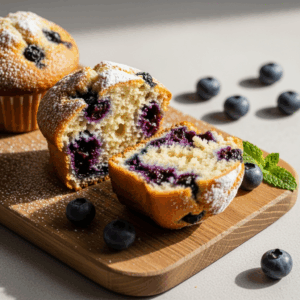
- Optional: ½ cup fresh blueberries or chopped nuts for mix-in
Instructions
- Preheat your oven to 350°F (175°C). Line a 9-inch round cake pan or muffin tin with parchment paper or grease lightly with coconut oil to prevent sticking.
- In a large bowl, whisk together the gluten-free all-purpose flour, almond flour, baking powder, baking soda, salt, and coconut sugar. this dry mix forms the base, offering both structure and sweetness.
- In a separate bowl, beat the eggs until frothy, then add almond milk, melted coconut oil, apple cider vinegar, and vanilla extract. Stir until all wet ingredients are fully combined.
- Gradually pour the wet mixture into the dry ingredients, folding gently but thoroughly. Aim for a thick, smooth batter. Avoid overmixing to keep the texture light and tender.
- If desired, gently fold in fresh blueberries or chopped nuts to add bursts of flavor and texture.
- Pour the batter into the prepared pan or muffin cups. smooth the top with a spatula.
- Bake for 20-25 minutes (15 minutes for muffins), or until a toothpick inserted in the center comes out clean.
- Remove from oven and allow to cool completely on a wire rack; this step helps set the crumb and prevents sogginess.
Tips for Success
- Maintain moisture: The combination of almond flour and coconut oil keeps baked goods wonderfully moist, so resist adding extra liquid.
- Boost texture: Using almond flour alongside gluten-free all-purpose flour creates a tender, delicate crumb reminiscent of traditional baking.
- Mix gently: Overworking the batter risks a dense final product; fold ingredients just until combined for a light,airy bite.
- Make-ahead magic: Store baked goods in an airtight container at room temperature up to 3 days or freeze for up to 1 month, thawing gently before serving.
- Flavor variations: Swap vanilla for almond or citrus extracts or swap coconut sugar with maple syrup for a different aroma and flavor profile.
- Explore grains: Incorporate gluten-free flours such as sorghum, millet, or teff in blends to add depth and complexity.
Serving Suggestions
Present your creation warm, topped with a dusting of powdered coconut sugar or a drizzle of honey choice. freshly whipped coconut cream or a dollop of plain Greek yogurt complements the moist crumb beautifully. For a refreshing finish, garnish with additional fresh herbs like mint or a sprinkle of toasted sliced almonds. This dish pairs harmoniously with a bright berry compote or a side of sautéed seasonal fruits for brunch or dessert.
| Nutrient | Per Serving |
|---|---|
| Calories | 210 kcal |
| Protein | 5 g |
| Carbohydrates | 27 g |
| Fat | 10 g |
For more inspiration on gluten-free flours and expert baking tips, check out our article on Choosing the Best Gluten-Free Flours. To deepen your understanding of gluten-free baking science, visit this Celiac Disease Foundation resource.

Q&A
Q&A: Transform Any Dish – A Creative guide to Gluten-Free Cooking
Q1: What does it mean to cook gluten-free creatively?
A: Cooking gluten-free creatively means going beyond the usual substitutions and exploring a vibrant world of naturally gluten-free ingredients. It’s about reimagining classic dishes with fresh textures, flavors, and colors, turning every meal into an exciting culinary adventure that satisfies both the palate and dietary needs.
Q2: How can I ensure my gluten-free dishes don’t taste bland or fall apart?
A: The secret is in embracing diverse gluten-free flours like almond, chickpea, or coconut flour, each bringing unique textures and flavors. Combining flours,adding binding agents like flax eggs or chia seeds,and incorporating moisture-rich ingredients such as puréed veggies or Greek yogurt helps maintain structure and flavor. Spices, herbs, and umami-rich elements elevate every bite beyond “just gluten-free.”
Q3: What are some naturally gluten-free staples to keep in my pantry for creative cooking?
A: Stock up on quinoa, millet, buckwheat, and polenta for hearty grains. Nut and seed flours add depth and nutrition. Naturally gluten-free legumes like lentils and beans can transform soups and salads. Don’t forget arrowroot, tapioca starch, and psyllium husk-these versatile thickeners and binders work wonders in gluten-free baking and sauces.
Q4: How can I reinvent traditional recipes like pasta or bread without gluten?
A: Think beyond wheat-try spiralized vegetables or bean-based pasta for noodles. For bread,experiment with a blend of gluten-free flours,xanthan gum,and yeast or natural sourdough starters. Incorporate creative add-ins like herbs, seeds, or roasted garlic to make your loaf irresistible. The key is patience and a willingness to adapt techniques until you find your signature texture.
Q5: What are some tips for adding bold flavors to gluten-free meals?
A: Fresh herbs, toasted spices, fermented ingredients like miso or tamari, and citrus zest inject brightness and complexity. Roasting vegetables caramelizes natural sugars, boosting flavor instantly. Don’t shy away from nut butters, tahini, or coconut milk for creamy richness that elevates sauces and dressings.
Q6: Can gluten-free cooking be suitable for everyday meals, not just special occasions?
A: Absolutely! Gluten-free cooking can be simple, quick, and deeply satisfying every day. Think hearty grain bowls, vibrant stir-fries with rice or quinoa, and colorful salads with crunchy nuts and seeds. With a well-stocked pantry and some creative tricks, gluten-free meals become effortless, nourishing staples in your routine.
Q7: How can I prevent cross-contamination when cooking gluten-free?
A: Dedicate separate utensils, cutting boards, and cookware if possible. Clean surfaces thoroughly before prepping gluten-free foods. Store gluten-free flours and products separately. When dining out or sharing meals with others, clear communication is key to maintaining safe, delicious gluten-free dishes.
Q8: What role do texture and presentation play in gluten-free cooking?
A: Texture transforms gluten-free dishes from good to extraordinary-think crisp roasted chickpeas, fluffy millet pilaf, or creamy avocado drizzle. Presentation isn’t just about looks; it engages the senses and invites curiosity. Bright colors, contrasting shapes, and layering create visually stunning plates that celebrate gluten-free creativity.
This Q&A not only informs but inspires you to embrace a gluten-free lifestyle with flair,turning every meal into an chance to transform and delight!
Concluding Remarks
as you embark on your gluten-free culinary journey,remember that the absence of gluten is not a limitation but an invitation to explore new flavors,textures,and techniques. With creativity as your compass and this guide as your map, transform any dish into a vibrant celebration of wholesome ingredients and imaginative twists. Whether you’re reinventing family favorites or experimenting with bold new recipes, gluten-free cooking opens a world of possibilities-delicious, nourishing, and uniquely yours. so,tie on your apron,gather your favorite ingredients,and let every meal be a masterpiece without borders. Happy cooking!