


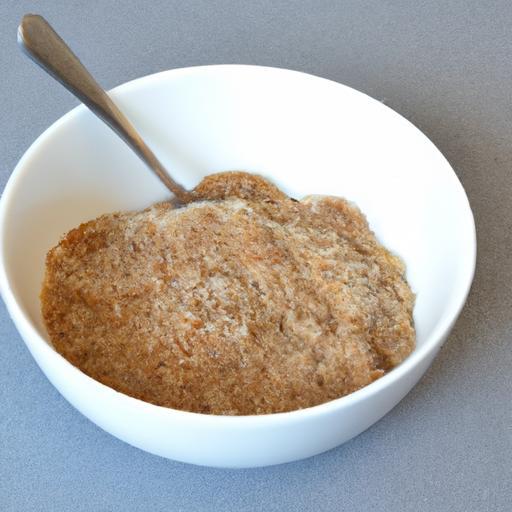
In a world where wellness trends come and go, one truth remains constant: protein is essential for a vibrant, energetic life. But what if you could fuel your body with clean,plant-powered nutrition tailored exactly to your taste and needs? Enter the world of DIY vegan protein powders-a simple,appetizing,and empowering way to boost your health without relying on store-bought blends. From nutty delights to superfood-packed mixes, these easy recipes transform everyday ingredients into powerhouse protein punches. Ready to blend your way to better health? LetS dive into the art of crafting your very own vegan protein powders, perfect for smoothies, baking, and beyond.
Understanding the Power of Plant-Based Proteins for Optimal Health
Boost Your Health: Easy DIY Vegan Protein Powder Recipes unlock an incredible way to nourish your body while embracing the richness of plant-based nutrition. harnessing the power of carefully selected vegan proteins not only supports muscle repair and energy but also promotes digestion, boosts immunity, and supports lasting living. My journey into DIY protein powders began when I craved a more natural, customizable alternative to store-bought options loaded with additives and fillers. Today, I’m excited to guide you through assembling your own blends packed with wholesome ingredients that deliver both flavor and nutrition.
Prep and Cook Time
- Preparation: 10 minutes
- Dry Roasting (optional): 5 minutes
- Blending: 5 minutes
- Total Time: 20 minutes
Yield
Approximately 4 cups of versatile vegan protein powder (serves 12-16 servings)
Difficulty Level
Easy – No advanced kitchen skills needed, just a good blender or grinder!
Essential Ingredients to Include in Your DIY Vegan Protein Blends
- 1 cup organic brown rice protein powder – a hypoallergenic base with a smooth, mild taste
- 1 cup raw hemp seeds – packed with complete protein and omega-3 fatty acids
- 1 cup dry-roasted chickpeas - adds a nutty flavor and fiber boost
- ½ cup organic pumpkin seeds – rich in magnesium and zinc for immune support
- ½ cup powdered chia seeds – tiny nutritional powerhouses for sustained energy
- ¼ cup dried spirulina powder – earthy, vibrant green algae bursting with protein and antioxidants
- 1 tsp vanilla bean powder (optional) – for a natural, aromatic sweetness
- 1 tbsp ground cinnamon (optional) – adds warmth and regulates blood sugar
Step-by-Step Guide to Crafting Delicious and nutrient-Rich Protein Powders
- prepare your seeds and legumes. If using raw chickpeas, roast them dry in a skillet over medium heat until golden and crunchy, about 5-7 minutes, tossing frequently to avoid burning.Let cool wholly.
- Add all dry ingredients – brown rice protein, roasted chickpeas, hemp seeds, pumpkin seeds, powdered chia seeds, and spirulina – to a high-speed blender or grain mill.
- Pulse or blend on high for 2-3 minutes until the mixture reaches a fine powder consistency. Stop intermittently to scrape down the sides for even blending.
- Incorporate vanilla bean powder and cinnamon for a slight sweetness and spicy note, mixing gently with a spatula to preserve the delicate powders.
- Sift the powder through a fine mesh sieve to remove any larger bits for a smoother texture, especially if you prefer to use it in shakes or baking.
- Store the protein powder in an airtight glass jar or reusable container in a cool, dry place. This blend will stay fresh for up to 3 months.
Creative Ways to Incorporate Your Homemade protein Powder into Everyday Meals
Boost your health with this vibrant vegan protein powder by blending it into smoothies for a creamy, energizing start to your day. Try stirring 2 tablespoons into your morning oatmeal or sprinkle it over fresh fruit for an instant protein lift. For a luscious dessert twist, fold the powder into dairy-free yogurt topped with nuts and berries. You can even use it as a secret ingredient in pancake or muffin batters to enrich your baked goods with plant-powered goodness! For savory applications, mix a teaspoon into sauces or soups – it adds a subtle nutty undertone and nutrition boost without overpowering the flavor.
Chef’s notes: Tips for Success
- roasting seeds and chickpeas enhances the flavor and digestibility,but if you prefer raw,simply skip the roasting step for a more subtle taste.
- Use a dedicated grinder or blender to achieve the best powder texture; pulse in short bursts to avoid overheating.
- Customize your mix by swapping pumpkin seeds for sunflower seeds or adding a tablespoon of maca powder for an extra energy kick.
- Consider adding natural sweeteners like a few drops of stevia or coconut sugar if you prefer a sweeter profile.
- For optimal absorption, pair your protein powder with vitamin C-rich fruits in smoothies to boost nutrient uptake.
- Make ahead in batches and share with friends or keep handy for quick meal prep options.
Serving Suggestions
- Whisk 2 tablespoons into almond milk with frozen berries and banana for a lush smoothie garnished with hemp hearts and a sprinkle of cinnamon.
- Sprinkle over chia pudding topped with toasted coconut flakes and sliced kiwi for a protein-packed breakfast.
- Mix into pancake batter with mashed bananas and bake for fluffy,nutrient-dense pancakes topped with maple syrup and fresh strawberries.
- Blend a teaspoon into morning coffee or a hot cacao drink (dairy-free) for a warming,savory twist.
- Add 1 tablespoon into salad dressings made with tahini and lemon juice for a creamy, protein-enriched drizzle.

| Nutrient | Per Serving (2 tbsp) |
|---|---|
| Calories | 90 kcal |
| Protein | 10 g |
| Carbohydrates | 6 g |
| Fat | 3.5 g |
For further inspiration and detailed benefits of these powerful vegan ingredients, check out USDA’s Protein Foods Guide. Also, discover more wholesome plant-protein recipes in our Plant-Based Meal Ideas section to keep your culinary creativity flowing.
Q&A
Q: Why should I consider making my own vegan protein powder at home?
A: Making your own vegan protein powder puts you in full control of the ingredients-no hidden additives,artificial sweeteners,or fillers. It’s also cost-effective, fun, and customizable to suit your taste and nutritional needs. Plus, you get the freshest blend tailored exactly to your health goals!
Q: What are some simple, nutrient-rich ingredients I can use for my DIY vegan protein powder?
A: Great question! Consider blending plant-based staples like pea protein, hemp seeds, flaxseeds, chia seeds, quinoa flakes, and even sprouted lentils or brown rice protein. These ingredients pack a powerful punch of plant protein, fiber, and essential amino acids.
Q: How can I ensure my homemade vegan protein powder has a complete amino acid profile?
A: combining a variety of plant proteins is key. For example, mixing rice protein (which is rich in cysteine and methionine) with pea protein (high in lysine) creates a complementary blend, covering all essential amino acids. Adding seeds like chia or hemp further balances the profile.
Q: Can I add flavors to my DIY protein powder without using artificial sweeteners?
A: Absolutely! Natural flavor boosters like dried cacao powder, cinnamon, vanilla bean powder, or even freeze-dried fruit powders not only add delicious flavor but also provide antioxidants and nutrients. A touch of coconut sugar or maple sugar can bring gentle sweetness without overpowering.
Q: How do I store my homemade vegan protein powder to keep it fresh?
A: Store your powder in an airtight glass container in a cool, dry place away from sunlight. for longer shelf life,you can keep it in the fridge or freezer. Always use a dry scoop to prevent moisture contamination.
Q: What are some creative ways to use my vegan protein powder beyond smoothies?
A: Your protein powder is incredibly versatile! Sprinkle it into oatmeal or yogurt, mix it into pancake or muffin batter, blend it into homemade energy bars, or even stir it into soups for an extra protein boost. The possibilities are endless-get creative!
Q: Are there any tips to make my homemade protein powder less gritty or chalky?
A: Yes! Sifting ingredients to a fine powder and blending them thoroughly helps create a smoother texture. Adding natural emulsifiers like a small amount of powdered cacao butter or ground oats can also enhance creaminess. Experiment with ratios until you find your perfect blend.
Q: How much protein should I aim for in each serving of my DIY powder?
A: A good target is around 15-20 grams of protein per serving,depending on your dietary needs and activity level. Adjust ingredient quantities to hit this mark, balancing taste and texture to keep it enjoyable.
Q: Can I customize my vegan protein powder for specific health goals?
A: Definitely! Boost your blend with superfoods like spirulina for energy, turmeric for inflammation support, or maca powder for hormone balance. You can also tailor it for weight gain by adding ground nuts and seeds for healthy fats, or for weight loss by focusing on fiber-rich ingredients.
Q: Is it safe to rely solely on vegan protein powders for my protein intake?
A: While protein powders are a convenient supplement, it’s best to get most of your protein from whole foods like legumes, grains, nuts, and seeds for balanced nutrition. Think of your DIY protein powder as a helpful boost, not a complete replacement.
The Conclusion
As you embark on your journey toward better health, remember that nourishing your body doesn’t have to be elaborate or costly. These easy DIY vegan protein powder recipes offer a simple, wholesome way to fuel your day with plant-powered goodness. By crafting your own blends, you take control of every ingredient, ensuring purity, potency, and flavor tailored just for you. So roll up your sleeves, experiment with nature’s bounty, and watch how a little creativity in the kitchen can boost your vitality one delicious scoop at a time. Here’s to strength,sustainability,and a healthier you-one homemade protein mix at a time!