
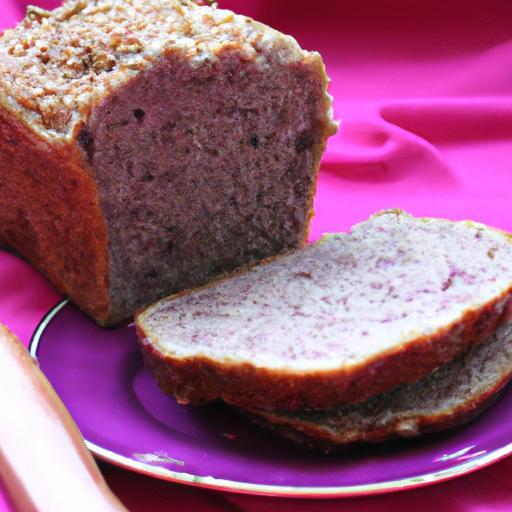
understanding the Chemistry Behind Purple Psyllium Loaf Discoloration
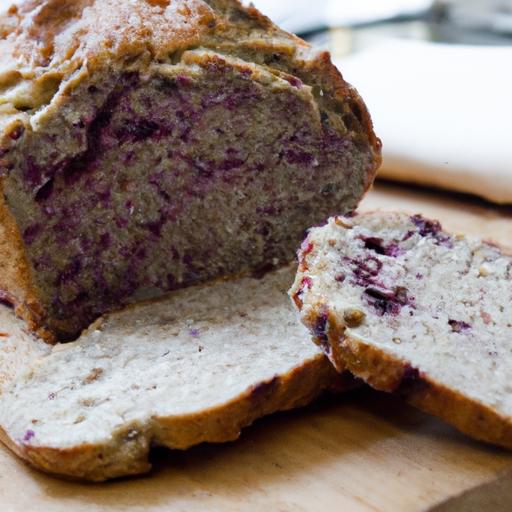
How to Prevent a Purple Psyllium Loaf Disaster in Baking begins with a clear grasp of the science happening behind the scenes. The unexpected purple tint that sometimes appears in psyllium husk loaves is primarily caused by the natural pigments-anthocyanins-within some psyllium varieties reacting to pH shifts and baking conditions. When the loaf batter becomes alkaline or is exposed to excessive moisture, these pigments can turn into an unwanted purple hue, dramatically altering the loaf’s appearance.
The oxidation of these pigments during baking, especially if hydration is not carefully controlled, can exacerbate discoloration. Additionally, metallic ions from baking pans or ingredients sometimes trigger a catalytic reaction that enhances this effect. by carefully selecting psyllium husk types and fine-tuning your hydration and baking methods, you can sidestep this color mishap and achieve a beautifully golden-brown, inviting loaf.
Selecting the Right Psyllium Husk for Perfect Texture and Color
not all psyllium husks are created equal when it comes to baking. The difference lies mainly between whole husk and powdered psyllium husk. Fine powdered psyllium tends to absorb water more completely and evenly, giving your loaf better structure without triggering the unwanted pigment reactions. Whole husks, while great for fiber boosts, sometimes contain more pigment and impurities, which can lean towards purple discoloration during baking.
Opt for a high-quality, food-grade psyllium husk powder from trusted suppliers known for their minimal pigment content and refined processing techniques. Ensuring your psyllium is free from contaminants not only improves texture but also keeps your loaf’s color consistent and appetizing.
Mastering Hydration Levels to Avoid Unwanted Purple Hues
Water is a critical variable in your psyllium loaf recipe. Hydration levels directly influence the gel-forming property of psyllium husk, but too much moisture may increase the likelihood of purple tinting due to pigment leaching and pH shifts. Aim for precise hydration-typically around 70-80% hydration relative to dry ingredients-to create a perfectly elastic dough that bakes into a moist yet beautifully colored loaf.
Test your hydration by mixing and observing the dough’s consistency; it should be tacky but not overly wet or gummy. If you notice a purple hue developing during mixing,slightly reduce liquid volume and ensure the mixing vessels are non-reactive (glass or stainless steel recommended).
Baking Temperature and Timing Tips for Flawless Psyllium Loaves
Baking temperature and time wield tremendous influence not only on texture but also on color. Psyllium’s sensitivity means that oven temperature should be steady and moderate, ideally between 350°F to 375°F (175°C to 190°C). Too high a temperature can accelerate pigment oxidation, deepening purple hues or darkening the crust unevenly.
Start by preheating your oven fully, then bake your loaf for approximately 40-50 minutes, using a reliable thermometer to check internal doneness (recommendation: 200°F or 93°C internal temp). Avoid opening the oven door frequently, as this fluctuates temperature and affects even baking.
For extra color control, try lining your baking pan with parchment paper and bake on the middle rack to promote airflow and consistent heat distribution. Should you observe color changes post-baking, crisp the loaf gently under a broiler for no more than a minute to deepen the crust’s golden tone without inviting purple discoloration.
Prep and Cook Time
- Preparation: 15 minutes
- resting (hydration/gelling): 10 minutes
- Baking: 45 minutes
- Total: 1 hour 10 minutes
Yield
Yields one 9×5-inch loaf, serving approximately 8 slices.
Difficulty Level
Intermediate: Requires attention to ingredient selection and hydration precision.
Ingredients
- 1 ¾ cups almond flour, finely ground
- 2 tbsp powdered psyllium husk (ensure food-grade, light color)
- 1 tsp baking powder
- 1 tsp sea salt
- 1 ¼ cups warm water (approximately 110°F / 43°C)
- 2 tbsp olive oil
- 1 tbsp apple cider vinegar (helps regulate pH, reducing discoloration)
- 2 large eggs, at room temperature
Instructions
- Preheat the oven to 360°F (182°C) and line a 9×5-inch loaf pan with parchment paper.
- In a large bowl, whisk together almond flour, powdered psyllium husk, baking powder, and sea salt ensuring even distribution.
- In a separate bowl, combine warm water, olive oil, and apple cider vinegar. Whisk lightly to integrate.
- Add the wet ingredients to the dry mixture along with the eggs.Mix thoroughly using a hand mixer or wooden spoon until the dough thickens and gel forms, about 2 minutes.
- Let the dough rest for 10 minutes to fully hydrate the psyllium. During this time, it will become elastic and hold shape without being runny.
- Transfer the dough into the prepared loaf pan and smooth the top using a spatula dampened with water to prevent sticking.
- Bake in the oven for 40 to 50 minutes until the crust turns golden and a toothpick inserted in the center comes out clean. Avoid opening the oven frequently.
- Remove the loaf from the oven and let it cool completely on a wire rack before slicing to retain moisture and color.
Tips for Success
- Always use powdered psyllium husk for consistent hydration and less pigment content-this is key to avoiding purple discoloration.
- maintain warm water temperature around 110°F to activate psyllium properly without triggering pigment oxidation.
- The addition of apple cider vinegar balances pH, keeping the ingredients’ chemistry on your side to prevent purple hues.
- Avoid metal mixing bowls or pans that react with psyllium’s natural pigments-prefer glass or stainless steel for best results.
- make-ahead tip: Store leftover slices in an airtight container at room temperature for up to 3 days or freeze slices for longer shelf life.
- For a softer crumb,try brushing the cooled loaf lightly with olive oil before serving.
Serving Suggestions
This loaf is a delight paired with creamy avocado spread or your favorite nut butter for breakfast. For savory options, top slices with roasted vegetables, hummus, or fresh microgreens. A sprinkle of toasted sesame seeds or herbs like rosemary can add an appealing texture and vibrant finish that complements the loaf’s neutral golden tone, making each bite as beautiful as it is flavorful.

| Nutrient | Per Slice (1/8 Loaf) |
|---|---|
| Calories | 170 |
| Protein | 6g |
| Carbohydrates | 9g |
| Fat | 13g |
For more expert guidance on gluten-free baking techniques and psyllium husk tips, explore our comprehensive baking guide. Additionally, the National Institutes of Health offers in-depth scientific insight on psyllium properties and effects to deepen your baking knowledge.
Q&A
Q&A: How to Prevent a Purple Psyllium Loaf Disaster in Baking
Q1: What causes a psyllium loaf to turn an unexpected purple color?
A1: The purple hue in a psyllium loaf is typically due to a reaction between the natural pigments in psyllium husk and certain baking conditions, such as pH levels or the presence of specific minerals. Sometimes, iron or acidic ingredients can interact with the psyllium, resulting in that surprising purple tint.Q2: Is a purple psyllium loaf safe to eat or is it a sign of spoilage?
A2: A purple tint alone doesn’t mean your loaf is spoiled.The discoloration is usually harmless and caused by chemical reactions during baking. However, always trust your senses-if the loaf smells off or tastes unpleasant, it’s best to discard it.
Q3: How can I avoid my psyllium loaf turning purple during baking?
A3: To keep your loaf golden and inviting, try adjusting your ingredient balance-avoid overly acidic or alkaline components that may trigger color changes. using filtered water and fresh psyllium husk can also help. Additionally, controlling oven temperature and baking time precisely prevents unexpected pigment shifts.
Q4: Does the brand or type of psyllium husk affect the likelihood of purple discoloration?
A4: Yes, different brands and batches vary in color and chemical composition. Some psyllium husks contain more natural pigments or minerals that can contribute to color changes. experiment with a few reliable brands to find one that yields consistent, visually appealing results.
Q5: Can the baking pan material influence the color of a psyllium loaf?
A5: Absolutely. Reactive metals like aluminum might interact with the loaf’s ingredients, intensifying color changes. opt for glass, ceramic, or non-reactive steel pans to minimize unexpected purple hues.
Q6: Are there specific ingredient substitutions that help maintain a classic loaf color?
A6: Replacing highly acidic ingredients like lemon juice or certain vinegar types with milder options such as apple cider vinegar (in moderate amounts) or skipping acidic extras altogether can help. Also, using neutral-flavored oils and carefully controlled salt types avoids unwanted chemical reactions.
Q7: How important is hydration in preventing color issues with psyllium bread?
A7: Hydration plays a key role. Psyllium husk swells and gels with water, and inconsistent hydration can alter the way pigments develop during baking. Make sure to mix according to tested recipes, giving the dough enough rest time to fully absorb liquids.
Q8: If I want to embrace a colorful loaf, is the purple hue a baking “flaw” or a feature?
A8: Think of the purple tint as a quirky feature rather than a flaw! It can add a playful visual appeal and showcase the unique properties of psyllium. Just let your guests know what’s behind the vibrant color to avoid surprise.
Q9: Do storage conditions affect the loaf’s color after baking?
A9: While the immediate color is set during baking, prolonged exposure to light and air might slightly deepen the purple over time. Store your loaf in a cool, dark place inside an airtight container to maintain its fresh appearance.
Q10: What’s a swift tip to salvage a loaf that turned purple unexpectedly?
A10: If the color is unexpected but the loaf tastes normal, slice and toast it lightly.Toasting can mellow the purple tones and add delicious crunch, turning your curious disaster into an intriguing treat!
In Retrospect
In the art of baking, even the most vibrant ingredients can sometimes led to unexpected results-like the infamous purple psyllium loaf disaster.But with a dash of knowledge,a pinch of patience,and the tips shared here,you’re well-equipped to keep your loaf beautifully golden and perfectly textured every time. Remember,baking is both science and creativity,and understanding your ingredients is the key to transforming potential mishaps into delicious triumphs. So next time you reach for that purple psyllium powder, bake boldly-and let your kitchen be a place of colorful success rather than disaster!