
In a world where wellness trends ebb and flow, the fusion of ancient traditions and modern science offers a refreshing path to health-enter the Asian Keto Diet. Imagine savoring the rich, vibrant flavors of Asia while igniting your body’s natural fat-burning engine. “Unlocking Wellness: Your ultimate Asian Keto Diet Plan Guide” invites you on a flavorful journey that harmonizes the low-carb,high-fat principles of keto with the time-honored ingredients and culinary wisdom of Asian cuisine. Whether you’re seeking weight loss, improved energy, or balanced wellbeing, this guide will illuminate how to tailor keto to your palate and lifestyle, transforming your approach to diet and wellness with every appetizing bite.
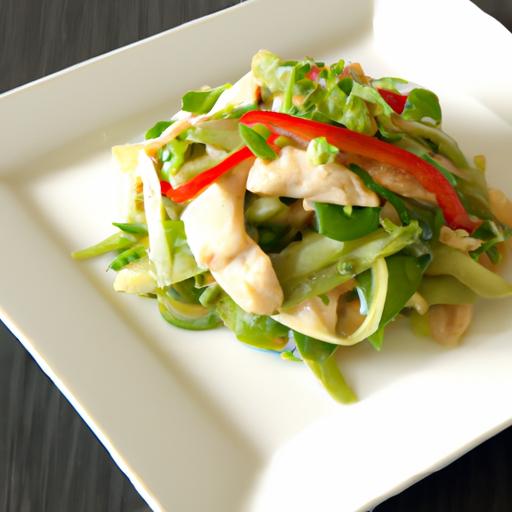
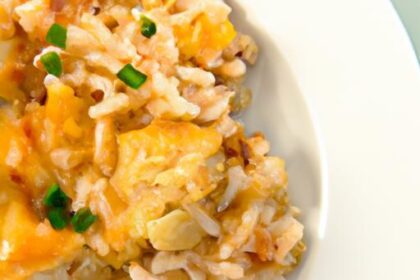
Unlocking wellness through the Asian keto lifestyle offers a unique way to blend rich culinary traditions with low-carb, nutrient-dense ingredients. One dish that perfectly encapsulates this journey is Cauliflower Fried Rice with Thai Basil and Chicken. Inspired by bustling street vendors in Bangkok and the homey kitchens of Asia, this recipe balances vibrant flavors and keto-amiable nutrition in every bite. It’s a delicious reminder that embracing tradition and nutrition doesn’t mean compromising on taste or satisfaction.
Prep and Cook Time
- Prep Time: 15 minutes
- Cook Time: 12 minutes
- Total Time: 27 minutes
yield
- Servings: 4 generous portions
Difficulty Level
- Easy to Medium
Ingredients
- 4 cups cauliflower rice (fresh or frozen, finely grated)
- 2 tbsp avocado oil or coconut oil
- 3 cloves garlic, minced
- 1 small</b red bell pepper, thinly sliced
- 1 cup green beans, trimmed and cut in 1-inch pieces
- 1 lb ground chicken or chicken breast, finely chopped
- 2 large eggs, beaten
- 3 tbsp coconut aminos (keto-friendly soy sauce alternative)
- 2 tsp fresh grated ginger
- 1/2 cup fresh Thai basil leaves, chopped
- 1 tbsp fish sauce (optional, adds umami depth)
- 1 tsp toasted sesame oil
- Salt and freshly ground black pepper to taste
- 1/4 cup chopped scallions (green parts only) for garnish
- 1 tbsp toasted sesame seeds for garnish (optional)
Instructions
- Heat 1 tablespoon of avocado oil in a large wok or non-stick skillet over medium-high heat. Add the ground chicken and cook until browned and cooked through, stirring frequently, about 5-7 minutes. Remove from the pan and set aside.
- Add remaining 1 tablespoon of oil to the pan. Sauté the minced garlic and grated ginger until fragrant, about 1 minute, taking care not to burn.
- Stir in the red bell pepper and green beans. Cook until crisp-tender, approximately 4 minutes, stirring regularly.
- Push the veggies to one side of the pan, and pour the beaten eggs into the cleared space. Gently scramble the eggs until just set but still moist, about 2 minutes.
- Add the cauliflower rice to the pan and mix thoroughly with the eggs and vegetables. Stir-fry for 3-4 minutes,allowing the cauliflower to slightly soften but retain some bite.
- Return the cooked chicken to the pan. Drizzle with coconut aminos, fish sauce (if using), and toasted sesame oil.Toss everything together to coat evenly.
- Turn off the heat and fold in the fresh Thai basil leaves,letting the residual warmth release its aromatic flavor without wilting it completely.
- Season with salt and freshly ground pepper to taste. Serve promptly, garnished with chopped scallions and toasted sesame seeds for a delightful crunch.
Tips for Success
- for the freshest taste, use freshly grated cauliflower rice. If using frozen, ensure it’s completely thawed and excess moisture is patted dry to avoid sogginess.
- Feel free to substitute ground chicken with turkey or firm tofu for a different protein twist.
- The key to perfect texture is to keep the heat high enough for fast stir-frying but avoid burning delicate ingredients like garlic and basil.
- Make it ahead by prepping cauliflower rice and chopped veggies in advance. Protein can also be cooked earlier and reheated gently.
- If you prefer more heat, add finely sliced fresh chilies or a dash of chili oil during the stir-fry process.
Serving Suggestions
This Asian keto cauliflower fried rice shines as a standalone meal but also pairs beautifully with crisp cucumber slices or a side salad of shredded cabbage with a light sesame dressing. For an added layer of freshness, serve with a wedge of lime and a sprinkle of fresh cilantro. To keep true to keto principles, avoid traditional steamed rice and lean into the bold flavors and textures of this nourishing dish.

| Nutrient | per Serving |
|---|---|
| Calories | 320 kcal |
| Protein | 30 g |
| Net Carbs | 6 g |
| Fat | 18 g |
For further inspiration on harmonizing asian ingredients in keto menus, check our comprehensive meal planning guide. Also, the Healthline Keto Diet Overview offers excellent scientific background on low-carb living.
Q&A
Q&A: Unlocking Wellness – Your Ultimate Asian Keto Diet Plan Guide
Q1: What makes the Asian Keto Diet different from a traditional keto plan?
A1: the Asian keto Diet blends the low-carb, high-fat principles of keto with vibrant, flavorful Asian ingredients and cooking techniques. Unlike typical Western keto, it emphasizes unique spices, fresh herbs, and staples like tofu, seafood, and leafy greens, offering a nutrient-rich, culturally inspired approach to ketosis.
Q2: Can I enjoy traditional Asian flavors while staying in ketosis?
A2: Absolutely! Asian cuisine is rich in umami and bold spices, which means you can savor dishes like stir-fried vegetables with sesame oil, coconut curry, spicy kimchi, and miso-based soups-all while keeping your carb count low. The trick lies in focusing on low-carb vegetables, quality protein sources, and healthy fats like avocado oil or coconut milk.
Q3: What are some keto-friendly Asian staples to stock up on?
A3: Think cauliflower rice rather of jasmine rice, shirataki noodles as a low-carb noodle substitute, tofu and tempeh for protein, leafy greens like bok choy and spinach, and flavorful additions like ginger, garlic, chili, and fresh lime. Nuts and seeds, like sesame and macadamia, are great for snacking or garnishing dishes.
Q4: How can I manage typical Asian sauces and condiments on a keto diet?
A4: Many traditional asian sauces can be surprisingly high in sugar, so choose wisely! Tamari or coconut aminos work as excellent low-carb soy sauce alternatives. you can make homemade chili pastes without sugar and use fresh lime juice, fish sauce, and vinegar to enhance flavors without adding carbs.
Q5: Is intermittent fasting a good complement to the Asian Keto Diet?
A5: Yes, intermittent fasting can enhance the benefits of the Asian Keto Diet by promoting fat burning and improving metabolic health. Many traditional Asian cultures practice natural fasting periods, such as lighter evening meals or intermittent tea fasting. Pairing these practices with keto can supercharge your wellness journey.
Q6: Are there any common mistakes to avoid when starting the Asian Keto Diet?
A6: One common pitfall is underestimating hidden carbs in sauces,marinades,or dressings. Another is relying too heavily on processed low-carb products rather of fresh, whole foods.also, don’t skip electrolyte balance-foods like seaweed and bone broth can help prevent keto flu symptoms common at the start.
Q7: How can I enjoy Asian keto-friendly desserts without kicking myself out of ketosis?
A7: Satisfy your sweet tooth with innovative desserts featuring ingredients like coconut cream, matcha powder, black sesame, and erythritol or monk fruit sweeteners. Think creamy coconut panna cotta, matcha mousse, or black sesame fat bombs-delicious treats that keep you in ketosis.Q8: Can the Asian Keto Diet support weight loss and overall wellness?
A8: Definitely! The combination of nutrient-dense, low-carb foods with antioxidant-rich herbs and spices supports not only weight loss but also digestion, energy levels, and inflammation reduction. With mindful planning, the Asian Keto Diet can unlock vibrant wellness from the inside out.
Q9: What’s a simple, speedy Asian keto meal to try for beginners?
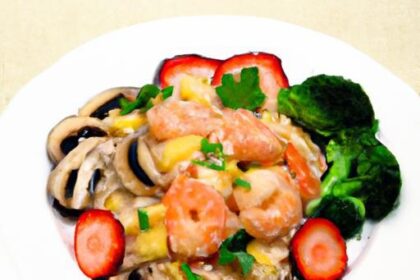
A9: A quick stir-fry of shrimp, bok choy, bell peppers, and mushrooms cooked in garlic, ginger, and coconut aminos, finished with a sprinkle of toasted sesame seeds. Serve it atop cauliflower rice for a nourishing, flavorful, and fully keto-friendly meal in under 20 minutes.
Q10: How do I personalize the Asian Keto Diet to fit my taste preferences and lifestyle?
A10: Start by exploring your favorite Asian cuisines and identifying keto-friendly versions of beloved dishes. Experiment with local fresh ingredients and adjust spice levels to your liking. Keep track of macros but stay flexible, focusing on whole foods and flavors that excite you to maintain long-term wellness joy.
Unlock the secrets to vitality and flavor with the Asian Keto Diet-where ancient traditions meet modern nutrition for a healthful, delicious journey!
Final Thoughts
As you embark on your journey toward wellness with the Asian Keto Diet, remember that balance is key to unlocking lasting health and vitality. The Asian Keto Diet blends traditional flavors with modern nutritional wisdom, empowering you to transform meals into mindful moments and fuel your body with intention. Whether you’re savoring fragrant spices or discovering new low-carb staples, the Asian Keto Diet serves as your guide to a healthier, more vibrant you. Embrace the fusion of culture and ketosis, and watch your wellness story unfold—one delicious bite at a time on your Asian Keto Diet journey.