
In the art of baking, precision is the secret ingredient that transforms humble mixes into mouthwatering masterpieces. When it comes too gluten-free flour, this truth becomes even more vital – a slight imbalance can mean the difference between a crumbly flop and a delightfully tender bite. Weighing gluten-free flour with accuracy isn’t just a step on the recipe card; it’s the cornerstone of perfect gluten-free baking. Join us as we explore the importance of exact measurements, unveil tips for mastering the scales, and unlock the key to achieving consistently flawless gluten-free treats every time.
Choosing the Right Tools for Precise Gluten-Free Flour Weighing
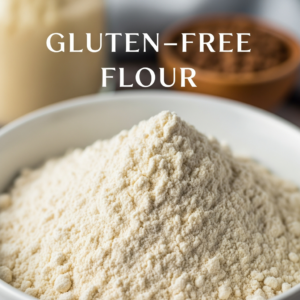
Weighing gluten-free flour is the cornerstone of flawless baking results, making precision your best ally in the kitchen. Different gluten-free flours vary widely in weight and texture, so an exact measurement can mean the difference between a cake that rises ethereally and one that falls flat or crumbles. To embark on this journey of baking mastery, investing in the right tools transforms guesswork into confident craftsmanship.
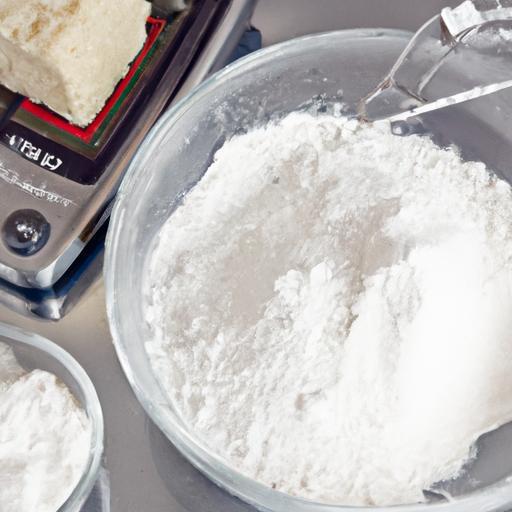
First and foremost, a high-quality digital kitchen scale with gram and ounce settings is indispensable. unlike volume measuring cups, wich can compress or aerate flour unevenly, a scale provides consistent, repeatable results that are crucial for gluten-free recipes. Look for a scale with a tare function-this allows you to zero out the container weight instantly, speeding up the measuring process without sacrificing accuracy.
Additionally, a fine-mesh sieve is essential for many gluten-free flours like almond or oat flour, which can clump or settle unevenly in their packages. Sifting ensures the flour is light and consistent before weighing, preventing inaccuracies. For liquid ingredients interacting with flour, calibrated measuring spoons and cups help maintain precise ratios.
How Different Gluten-Free Flours affect Measurement and Texture
The diverse world of gluten-free flours offers unbelievable flavors and textures-yet each one behaves uniquely when measured by volume or weight. As an example, almond flour is naturally denser and oilier than lighter flours like rice flour or sorghum flour, so 100 grams of almond flour occupies less space than 100 grams of rice flour.this difference can confuse bakers who rely solely on cups, so gravitating towards weighing is essential to replicate textures precisely.
Coconut flour presents yet another challenge; it’s highly absorbent and must be measured carefully. Too much yields dense, dry baked goods, while too little leaves them gummy. Because of its low density, spooning coconut flour into a cup can pack it too tightly. A scale resolves this discrepancy, allowing you to measure the recommended grams exactly.
Use a blending approach when baking to optimize texture and elasticity-combining lighter flours like sorghum or rice with nutty or starchy flours such as tapioca or potato starch can transform crumb structure. This multi-flour synergy benefits immensely from precise weighing, ensuring the balance is just right every time you bake.
Expert Tips for Consistent results When Weighing gluten-Free Flour
consistency is the hallmark of kitchen mastery,especially with gluten-free baking. Here are some expert tips to make weighing gluten-free flour effortless and precise:
- Always calibrate your scale before starting to ensure true weight readings.
- Use the tare function to exclude container weight-place the bowl, zero the scale, then add flour.
- Sift or aerate flour before weighing to replicate the “light and fluffy” measurements that recipes assume.
- Avoid scooping flour directly with cups as this compresses the flour and leads to inconsistencies.
- Store flours in airtight containers with labels to prevent moisture absorption which can affect weight and texture.
- Record and replicate your successful flour blends and their exact weights to create your personal gluten-free formula.
By mastering these weighing habits, you lay a solid foundation for impeccable gluten-free baking. The more you rely on precise weighing instruments over volume estimates, the better your baked creations will maintain structure, rise uniformly, and delight taste buds with perfect texture and moisture.
Prep and Cook Time
- Prep Time: 10 minutes
- Total Time: Varies per recipe
Yield
Varies by recipe – typically 8-12 servings depending on baked good
Difficulty Level
Medium – Requires attention to detail but accessible to home bakers
Ingredients
- 1 cup (120g) gluten-free flour blend (weighed precisely)
- 1/2 cup (60g) almond flour, sifted
- 1/4 cup (30g) tapioca starch
- 1/4 cup (30g) potato starch
- 1/2 teaspoon xanthan gum
- Additional ingredients as specified by your specific recipe
Instructions
- Prepare your scale: Place an empty mixing bowl on the scale and press the tare button to reset the weight to zero.
- Sift the gluten-free flours: Use a fine-mesh sieve to sift the almond flour and other flours separately, then combine and sift together to ensure even distribution and aeration.
- Weigh the flour mixture: Gradually add the flour blend to the bowl until reaching the exact gram measurement called for by your recipe.
- Add xanthan gum: Weigh and add xanthan gum, ensuring uniform dispersion which improves dough elasticity and rise.
- Combine dry ingredients: Mix your precisely weighed flours and xanthan gum thoroughly with a whisk to avoid any lumps.
- Proceed with your recipe: Incorporate the dry ingredients with your wet mixture as directed, continuing to follow precise measurements for liquid and leavening agents.
- Bake with confidence: monitor baking times carefully,as gluten-free flours can brown or dry faster; adjust oven temperature slightly if needed for even baking.
Chef’s Notes & Tips for Success
- Different brands and batches of gluten-free flour blends vary-always weigh your flour fresh rather than relying on volume.
- When substituting flours, adjust the weight accordingly. Such as,coconut flour is roughly 120g per cup,not 140-150g like rice flour.
- Experiment with a flour scale guide chart to quickly convert between cups and grams with your preferred blends.
- If your baked goods turn out dry or crumbly, try slightly reducing flour weight or increasing liquid by 5-10% in your next attempt.
- Make-ahead tip: Pre-weigh and mix your gluten-free flour blends into an airtight container for quick use in recipes.
Serving Suggestions
Your gluten-free creations deserve presentation that turns heads and teases taste buds. For muffins or quick breads, garnish with a dusting of powdered sugar or a sprinkle of toasted nuts. cookies benefit from a decorative drizzle of melted dark chocolate or a touch of flaky sea salt. When serving cakes or brownies, fresh berries or a vibrant almond cream sauce add layers of flavor and elegant contrast.

| Flour Type | Weight per Cup (g) | Texture Impact |
|---|---|---|
| Almond Flour | 96-100 | Moist, dense, rich |
| Rice Flour | 140-150 | Light, slightly gritty |
| Coconut Flour | 112-120 | Highly absorbent, crumbly |
| Tapioca starch | 120-130 | Chewy, elastic texture |
| Potato Starch | 120-130 | Light, fluffy crumb |
For further guidance on creating balanced gluten-free flour blends, explore our extensive Gluten-Free Flour Blends Guide. Also, authoritative baking science from King Arthur Baking provides invaluable insights on flour handling and weighing techniques.
Q&A
Q&A: Weighing Gluten-Free Flour: Precision for Perfect Baking
Q1: Why is weighing gluten-free flour important compared to just using measuring cups?
A1: Gluten-free flours vary widely in density and texture, so volume measurements can be unreliable and inconsistent. Weighing flour ensures you get the exact amount needed, creating a balanced dough or batter and resulting in better texture, rise, and flavor in your baked goods.
Q2: Does the type of gluten-free flour affect how much I should weigh?
A2: Absolutely! Each gluten-free flour-whether almond, rice, chickpea, or sorghum-has a unique density. For example, a cup of almond flour weighs less than a cup of rice flour. Using a kitchen scale helps you follow recipes precisely, regardless of the flour type.
Q3: How should I properly weigh gluten-free flour?
A3: Use a digital kitchen scale and measure your ingredients in grams for optimal accuracy. Always zero out (tare) the bowl or container before adding flour. Avoid scooping flour directly with a measuring cup, as that can compact it and give an inaccurate weight.
Q4: Can weighing flour help prevent common gluten-free baking issues?
A4: Yes! Many gluten-free baking woes-like crumbly texture,dryness,or dense results-stem from incorrect flour amounts. Weighing flour eliminates guesswork, helping your recipes achieve the perfect balance of moisture and structure.Q5: Does temperature or humidity affect how I should weigh gluten-free flour?
A5: While weighing negates volume inconsistencies, environmental factors like humidity can still impact flour texture. Flour stored in damp conditions may clump or absorb moisture, altering weight slightly. Keep flour in airtight containers and a cool, dry place for consistent results.
Q6: Can I use weighing techniques from conventional wheat baking for gluten-free?
A6: The principle of weighing ingredients is universal, but gluten-free baking often demands even more precision. Without gluten’s binding power, exact measurements become crucial to maintain structure. so, while weighing is essential in all baking, it’s especially critical in gluten-free recipes.
Q7: what’s a quick tip for transitioning from volume to weight measurement?
A7: Start by checking if your favourite gluten-free recipes list weights alongside cups.If not, find a reliable online conversion chart or use your kitchen scale to experiment. Over time, weighing becomes faster and more intuitive, making your baked treats consistently delicious.
Q8: How does weighing affect smaller ingredient quantities like xanthan gum or baking powder in gluten-free baking?
A8: Precision matters for these ingredients too! Slightly too much or too little can drastically change texture or rise. A scale helps ensure you add just the right amount, keeping your gluten-free creations balanced and tasty.
Q9: Is investing in a kitchen scale worth it for gluten-free bakers?
A9: Without a doubt! A kitchen scale is a baker’s secret weapon, turning experimental gluten-free baking into a confident science. It saves money, reduces waste, and elevates your baked goods from “meh” to grand.
Q10: what’s the golden rule for weighing gluten-free flour?
A10: Treat your gluten-free flour like gold-measure precisely, respect its unique character, and keep your tools sharp. Weighing is your passport to perfect gluten-free breads, cookies, and cakes every single time!
Insights and Conclusions
As you embark on your next gluten-free baking adventure, remember that precision in weighing your flour is more than a step-it’s a cornerstone of success. Each gram measured carefully brings you closer to that perfect crumb, that tender bite, and the delightful texture that turns a recipe into a triumph. By treating your scale as a trusted companion, you not only honor the science behind baking but also elevate your creations to new, delicious heights.So, weigh wisely, bake boldly, and savor the mastery that only precision can unlock.