

Cross-Contamination Risks for Celiacs in the world of gluten-free living require daily vigilance—beyond reading labels and choosing safe ingredients. For individuals with celiac disease, the invisible threat often lies in hidden traces: the hidden dangers of Cross-Contamination Risks for Celiacs. This silent hazard can turn a well-intentioned meal into a health risk, triggering symptoms and long-term complications. In this article, we’ll unravel the mysteries of Cross-Contamination Risks for Celiacs, highlighting how tiny gluten particles infiltrate food, everyday scenarios that pose risks, and practical strategies to safeguard your health.
Cross-Contamination Risks for Celiacs are an invisible adversary in kitchens, packaged foods, and dining venues. Mastering prevention not only protects your health but transforms eating into a safe, joyful experience. Whether you’re a seasoned cook or starting your gluten-free journey, understanding Cross-Contamination Risks for Celiacs empowers you to make informed choices, confidently enjoy meals, and prevent gluten exposure at home.
Prep and Cook Time
Planning: 15 minutes | Cooking: 30 minutes | Total: 45 minutes
Yield
Serves 4 people
Difficulty Level
Medium
Ingredients
- 1 cup certified gluten-free rolled oats
- 2 tablespoons chia seeds
- 1 cup unsweetened almond milk
- 1 ripe banana, mashed
- 1/4 cup pure maple syrup
- 1 teaspoon pure vanilla extract
- 1/2 teaspoon ground cinnamon
- 1/4 teaspoon sea salt
- 1/2 cup fresh blueberries
- 2 tablespoons chopped walnuts (optional)
Instructions
- Combine the base: In a mixing bowl, whisk together gluten-free rolled oats, chia seeds, cinnamon, and sea salt. This sturdy mix is your foundation for a nourishing meal that keeps gluten at bay.
- Mix the wet ingredients: In a separate bowl, mash the banana until smooth. Add almond milk, maple syrup, and vanilla extract. Whisk gently until fully combined.
- Bring it together: Pour the wet mixture into the dry ingredients and stir until evenly coated. The chia seeds will begin to absorb moisture and thicken the blend.
- Cook with care: Lightly grease a non-stick skillet or use a silicone pan. Heat over medium-low and scoop a generous 1/4 cup of batter per pancake. Sauté until bubbles appear on the surface, about 3-4 minutes.
- Flip expertly: Using a thin spatula,turn pancakes carefully to cook the other side until golden brown,about 2-3 minutes more. Avoid overcrowding to maintain even cooking and prevent sticking.
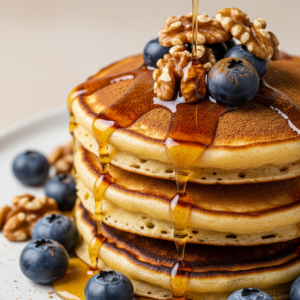
- Serve immediately: Stack pancakes on a plate layered between fresh blueberries and walnuts, garnished with a dusting of cinnamon for color and aroma.
Tips for Success
- Choose certified gluten-free oats to eliminate unwanted gluten exposure. Remember, oats themselves are gluten-free but frequently enough contaminated during processing.
- Keep surfaces and utensils clean: as cross-contamination risks for celiacs are primarily kitchen-based, dedicate separate tools and cook surfaces to gluten-free cooking to avoid any transfer of gluten particles.
- Substitutions: Swap almond milk for coconut, rice, or oat milk as per your preference, but always check labels for hidden gluten-containing thickeners or additives.
- Make-ahead option: Prepare batter the night before and soak oats overnight in the fridge. This allows chia seeds to thicken naturally, reducing cooking time in the morning.
- Cross-contamination caution: never toast gluten-free bread in a shared toaster. Use a clean pan or toaster bag instead.
serving Suggestions
These fluffy gluten-free pancakes pair beautifully with natural toppings like fresh seasonal berries, a dollop of Greek yogurt, or a drizzle of pure maple syrup. Add texture and flavor with chopped nuts or seeds. Consider serving with a side of sautéed spinach or a citrus fruit salad to balance hearty and fresh. Vibrant garnishes such as edible flowers or a sprinkle of cinnamon make your plate visually stunning,inviting family and guests to savor every bite without worry.

Understanding Cross-Contamination Risks for Celiacs: Why Vigilance Matters
Identifying hidden cross-contamination risks for celiacs begins with scrutinizing packaged foods, which may seem safe but harbor gluten traces from shared manufacturing lines. Dining out introduces additional challenges-shared fryers, cutting boards, or salad bars can produce unexpected gluten exposure. Being savvy about ingredient labels and openly communicating with restaurant staff is the first defense. When preparing dishes like these flavorful gluten-free pancakes, keeping your kitchen sterile and clearly segmented is essential to preventing unseen gluten threats.
| Nutrient | Amount per Serving |
|---|---|
| Calories | 280 kcal |
| Protein | 6 g |
| Carbohydrates | 45 g |
| fat | 6 g |
Discover more on how to equip your kitchen for gluten-free success and deepen your knowlege about managing cross-contamination risks for celiacs. For authoritative guidance, visit the celiac Disease Foundation to stay current with best practices and advocacy.
Q&A
Q: What exactly is cross-contamination, and why is it such a hidden danger for people with celiac disease?
A: Cross-contamination happens when gluten sneaks into foods that are naturally gluten-free, frequently enough through shared surfaces, utensils, or cooking appliances. For someone with celiac disease, even tiny gluten traces can trigger an immune response, damaging their intestines. As gluten isn’t visible, these sneaky gluten bursts are a hidden hazard, making vigilance essential.
Q: How common are cross-contamination risks in everyday kitchens?
A: Surprisingly common! Think of toasters used for regular bread, cutting boards that chop gluten-filled items and then veggies, or even colanders that rinse pasta and then rinse salad greens without a thorough wash. These everyday practices can unintentionally spread gluten, turning safe meals into risky ones.Q: is cross-contamination a concern when dining out or buying packaged foods?
A: Absolutely. Restaurants may prepare gluten and gluten-free dishes in the same kitchen,sometimes using the same fryers or utensils. Even packaged foods labeled gluten-free can be at risk if produced in facilities that process gluten ingredients without stringent controls. Awareness and asking questions are crucial steps.
Q: What simple strategies can celiacs use to avoid cross-contamination at home?
A: First, dedicate specific kitchen tools and appliances for gluten-free cooking-like separate toasters, cutting boards, and utensils. Clean surfaces thoroughly before preparing gluten-free meals, and store gluten-free ingredients separately. Labeling containers and educating family members also helps keep gluten at bay.Q: Can cross-contamination occur through non-food items?
A: Yes! Gluten can linger on things like hands, cloth towels, or even in airborne flour dust. It’s critically important to wash hands thoroughly before preparing gluten-free foods and avoid using shared cloths without proper cleaning. In bakeries or flour-heavy environments, airborne particles can settle on gluten-free items unexpectedly.
Q: How can someone with celiac disease communicate cross-contamination concerns without feeling like a burden?
A: Clear and confident communication is key. Educate dining companions or restaurant staff about the seriousness of celiac disease and explain what cross-contamination means for your health. Most people want to help once they understand the stakes. Bringing your own safe snacks or utensils can also ease worries and empower you.
Q: Are there any particularly surprising cross-contamination sources to watch out for?
A: definitely! Shared condiments like butter knives dipping into multiple jars, salad bars with mixed toppings, or even bulk bins where scoops are used across products can be guilty culprits. Unfiltered spices or flavored coffee mixes sometimes contain hidden gluten, so it pays to read labels carefully.
Q: Does rinsing a utensil or surface remove gluten completely?
A: Regrettably, no. Gluten proteins are sticky and can cling stubbornly to porous surfaces. A speedy rinse isn’t enough; scrubbing with hot, soapy water or using separate equipment is a safer bet. In restaurants, this is why separate preparation areas or cookware for gluten-free dishes make a big difference.
Q: how important is it for food manufacturers to prevent cross-contamination?
A: It’s absolutely vital. Without strict production controls, gluten can contaminate gluten-free batches, posing serious health risks. many manufacturers have gluten-free certifications and rigorous testing to help protect consumers, but vigilance remains essential from farm to table.
Q: What’s the best mindset for living with celiac disease when it comes to cross-contamination?
A: Empowerment through education is the best shield. Understanding where gluten hides, advocating for your health, and adopting smart kitchen habits turn cross-contamination from a hidden danger into a manageable challenge. Remember, you’re not just avoiding gluten-you’re safeguarding your wellness.
To Wrap It Up
In the intricate dance of gluten-free living, vigilance is the unsung hero guarding against invisible threats. Cross-contamination may lurk in the most unexpected corners – a shared toaster, a careless crumb, or a misunderstood label – transforming safe meals into hazardous ones. For those with celiac disease, understanding these hidden dangers isn’t just knowledge; it’s empowerment. By shining a light on the subtle risks that can compromise health, we equip ourselves to navigate daily life with confidence and care. Because in the world of gluten exposure, it’s often what we don’t see that matters most. Stay informed, stay cautious, and above all, stay healthy.