

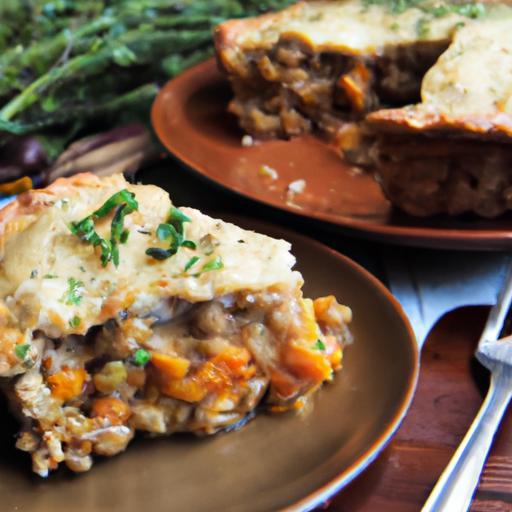
In a world where every penny counts and mealtime creativity is king, grains emerge as the unsung heroes of the kitchen. These humble staples-rice, quinoa, barley, and beyond-hold the remarkable power to stretch your meals further while adding layers of texture and flavor that turn simple dishes into satisfying feasts. Whether you’re feeding a crowd, managing a budget, or simply seeking new culinary inspiration, grains offer an ingenious way to cut costs without compromising taste. Join us as we explore how integrating grains into your cooking arsenal can transform everyday meals into flavorful, nourishing, and wallet-friendly experiences.
Stretch your meals with the incredible versatility of grains-nature’s economical and nutrient-packed superstars. Whether you’re looking to transform a handful of ingredients into a soul-satisfying feast or aiming to feed a crowd without stretching your budget thin, grains unlock unparalleled possibilities. From the nutty warmth of quinoa to the chewy satisfaction of farro, these kitchen staples absorb flavors beautifully and expand your meal portions without sacrificing taste or texture. Drawing inspiration from global culinary traditions and my years styling grain-forward dishes, let’s dive into an approach that elevates simple ingredients into vibrant, hearty meals that delight all palates.
Prep and Cook Time
- Preparation: 15 minutes
- Cooking: 25 minutes
- Total: 40 minutes
Yield
4 generous servings
difficulty Level
easy
Ingredients
- 1 cup quinoa, rinsed thoroughly
- 2 cups vegetable broth or water
- 1 medium onion, finely diced
- 2 cloves garlic, minced
- 1 bell pepper, diced (choose red or yellow for sweetness)
- 1 cup cherry tomatoes, halved
- 1 zucchini, diced
- 1 teaspoon smoked paprika
- 1 teaspoon ground cumin
- 2 tablespoons olive oil
- Salt and black pepper to taste
- Fresh parsley, chopped, for garnish
- Optional: 1/4 cup toasted pine nuts or almonds
Instructions
- Toast the quinoa: In a medium saucepan over medium heat, add 1 tablespoon olive oil and the rinsed quinoa. Toast for 3-4 minutes while stirring constantly until fragrant and slightly nutty. This step enhances the grain’s flavor dramatically.
- add liquid and simmer: pour in the vegetable broth, season lightly with salt, and bring to a gentle boil. Reduce heat to low, cover, and simmer for 15 minutes or until the quinoa has absorbed all the liquid. Remove from heat and let it rest, covered, for 5 minutes.
- Sauté the vegetables: While quinoa rests, heat the remaining olive oil in a skillet over medium heat. Add diced onion and garlic, sautéing until soft and translucent, about 3-4 minutes.
- Add peppers and zucchini: stir in the diced bell pepper and zucchini. Sauté for 5-6 minutes until the vegetables are tender but retain a bit of crunch, stirring often to avoid sticking.
- Season and combine: Stir in smoked paprika, cumin, salt, and pepper. Add the halved cherry tomatoes just before finishing cooking to maintain their burst of freshness.
- Fold quinoa into veggies: Transfer the cooked quinoa into the skillet, folding it gently with the sautéed vegetables to incorporate everything evenly and warm through.
- Garnish and serve: Plate the mixture and sprinkle with chopped fresh parsley and toasted pine nuts or almonds for extra texture and flavor complexity.
Tips for Success
- Use vegetable broth instead of water to infuse the quinoa with subtle depth and richness.
- Make sure to rinse quinoa well under cold water, as this removes its natural coating, saponin, wich can taste bitter.
- Experiment with different grains like farro, bulgur, or barley to vary texture and flavor while keeping portions ample.
- Prepare this dish in advance-it tastes even better the next day once flavors meld.
- Swap pine nuts for toasted pumpkin seeds or sunflower seeds for a budget-friendly crunch.
serving Suggestions
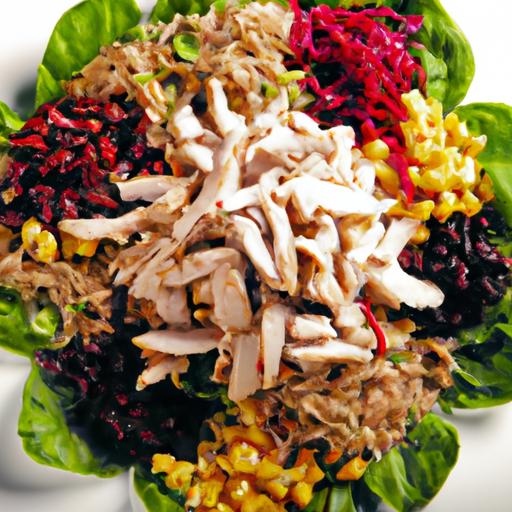
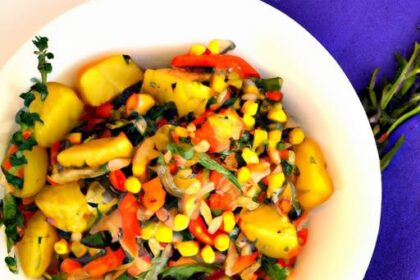
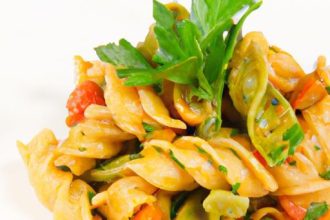
This vibrant grain bowl shines as a standalone meal or as a side to roasted vegetables or grilled tofu for added protein. For a Mediterranean flair,serve with a dollop of garlic hummus or a fresh tzatziki sauce. Add a wedge of lemon on the side to give an uplifting citrus burst when squeezed right before eating. Garnish with extra herbs like mint or cilantro to awaken the palate visually and aromatically.

| Nutrient | Per Serving |
|---|---|
| Calories | 320 |
| Protein | 9g |
| Carbohydrates | 45g |
| Fat | 8g |
By incorporating grains as the star of your meals, you not only nourish your body with fiber and essential nutrients but also cleverly extend your ingredients.This approach cuts costs, reduces waste, and paints your plate with vibrant textures and exciting flavors. For more creative grain-based recipes, explore our Grain recipe Collection. For nutritional science behind grains, visit The World’s Healthiest Foods.
Q&A
Q&A: stretch Your Meals – How Grains Cut Costs and Boost Flavor
Q: Why are grains considered such a powerhouse in stretching meals?
A: Grains are like edible superheroes-affordable, versatile, and hearty. They bulk up dishes, turning modest portions of proteins or veggies into satisfying meals without breaking the bank. Plus,their neutral flavors provide a perfect canvas for spices and sauces,making every bite exciting.
Q: Which grains are the best budget-friendly options to have in your pantry?
A: Staples like rice, quinoa, bulgur, barley, and couscous shine in both price and nutrition. They have long shelf lives, cook relatively quickly, and adapt to countless cuisines-meaning you can reinvent meals constantly without splurging.Q: How exactly do grains enhance the flavor profile of a dish?
A: Beyond their subtle nutty or earthy notes, grains absorb the flavors of herbs, spices, and broths beautifully. For example, cooking quinoa in vegetable stock instead of water infuses it with savory depth, while adding toasted barley adds a chewy contrast and richness that elevate simple soups or stews.
Q: Can grains replace or complement proteins in a meal?
A: Absolutely! While grains don’t pack the same protein punch as meats or legumes, they provide plant-based protein and fiber that complement these ingredients perfectly. Combining grains with beans, lentils, or eggs creates balanced, satisfying meals that fuel both body and budget.
Q: What are some creative ways to use grains beyond the usual rice or pasta side dish?
A: Think beyond the conventional! Use cooked grains in veggie patties, grain bowls bursting with roasted vegetables and tangy dressings, or even as a filling for stuffed peppers and eggplants. Grain salads tossed with fresh herbs, citrus, and nuts make vibrant entrance meals too.
Q: How can beginners start incorporating more grains into daily cooking?
A: Start simple-swap out half the rice in your stir-fry for quinoa, or add cooked barley to your favorite soup. Gradually experiment with different grains and spices. The key is to enjoy the process of discovery and savoring new textures and flavors.
Q: Are there any health benefits tied to increasing grain consumption in meals?
A: Indeed! Whole grains are packed with fiber, vitamins, and minerals that support digestion, heart health, and sustained energy. Including them regularly encourages balanced eating and helps reduce reliance on pricier, processed options.
Q: How do grains help minimize food waste?
A: Grains serve as excellent “fillers” that allow you to stretch ingredients like vegetables, leftovers, or small amounts of protein into full, flavorful plates. They’re also great for repurposing scraps into new, exciting dishes-turning kitchen odds and ends into gourmet-worthy meals.
Q: Any tips for cooking grains perfectly every time?
A: Rinse grains like quinoa to remove bitterness, toast barley or bulgur briefly for a deeper flavor, and always measure grains and liquids carefully.Simmer gently instead of boiling aggressively to achieve the ideal texture without mushiness.
Incorporating grains is a delicious journey to smarter, tastier eating-where every meal feels full and every dollar stretches just a bit further.
Future Outlook
As you explore new ways to stretch your meals,remember that grains are more than just pantry staples-they’re culinary chameleons that infuse dishes with texture,heartiness,and rich flavor. By thoughtfully incorporating grains into your cooking, you don’t just save money; you open a world of delicious possibilities that elevate everyday meals into satisfying feasts. So next time you’re planning dinner, let grains be your secret ingredient to a fuller plate and a fuller wallet. Happy cooking-and even happier eating!