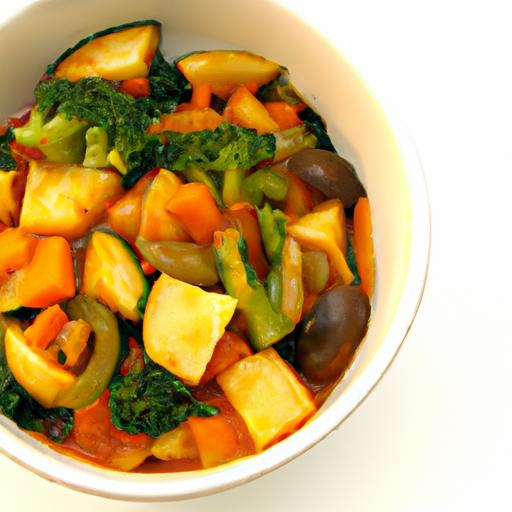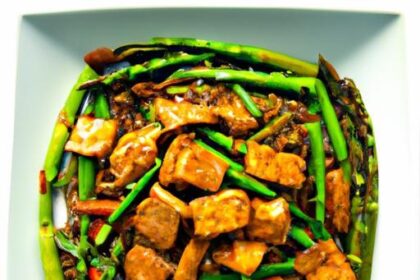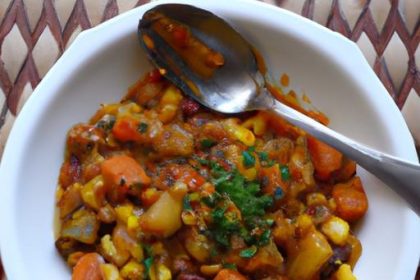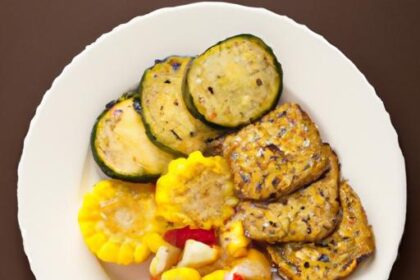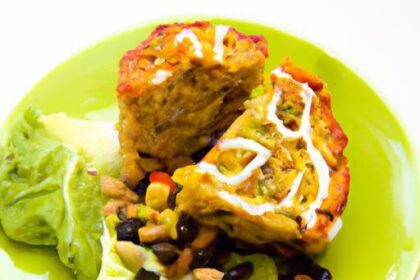

In a world where plant-based living is blossoming, the demand for meals that are both vibrant and packed with protein is soaring. Enter the power-packed plant bowl – a colorful, nutrient-dense marvel that redefines what it means to eat vegan without compromise. These hearty bowls combine the best of nature’s bounty, delivering not only flavor and texture but also the essential proteins your body craves. Whether you’re a dedicated vegan, a curious flexitarian, or simply someone seeking wholesome, satisfying meals, this guide will unlock the secrets to crafting high-protein vegan bowls that fuel your day and ignite your palate. Ready to dive into a world where plants power performance? Let’s dig in.
Power-Packed Plant Bowls unlock a world of vibrant nutrition by harnessing the protein potential of legumes, nuts, and seeds. This dish celebrates the art of balancing macronutrients to fuel your day with sustained energy and robust muscle support-all while embracing the rich textures and flavors of wholesome plant foods. Inspired by my adventures in world cuisines and a passion for nourishing simplicity, these bowls combine hearty lentils, crunchy almonds, and toasted chia seeds with fresh greens and quinoa, creating a colorful canvas of taste and vitality.
Prep and Cook Time
- Planning: 15 minutes
- Cook Time: 30 minutes
- Total Time: 45 minutes
Yield
serves 4 hearty portions
Difficulty level
Easy – perfect for busy lifestyles and meal prepping beginners
Ingredients
- 1 cup dry green or brown lentils, rinsed and drained
- 3/4 cup quinoa, rinsed
- 1/4 cup raw almonds, roughly chopped
- 2 tablespoons chia seeds
- 4 cups mixed baby greens (spinach, arugula, kale)
- 1 medium carrot, shredded
- 1 avocado, sliced
- 1/2 red bell pepper, diced
- 1/4 cup fresh cilantro, chopped
- For the Dressing:
- 3 tablespoons tahini
- 2 tablespoons fresh lemon juice
- 1 tablespoon maple syrup
- 1 garlic clove, minced
- 2 tablespoons extra virgin olive oil
- Salt and freshly ground black pepper, to taste
- 1 teaspoon ground cumin
Instructions
- Cook the lentils: In a medium saucepan, combine the rinsed lentils with 3 cups of water. Bring to a boil, reduce heat, and simmer uncovered for 20-25 minutes or until tender but not mushy. Drain any excess water and set aside.
- Prepare the quinoa: In another saucepan,combine the quinoa with 1 1/2 cups water. Bring to a boil, cover, reduce the heat to low, and simmer for 15 minutes or until the water is absorbed. Fluff with a fork and let it cool slightly.
- Toast the almonds and chia seeds: heat a dry skillet over medium heat. Add almonds and toast until fragrant and lightly browned, about 3-4 minutes, stirring frequently. Remove almonds, than toast chia seeds for 1-2 minutes, stirring constantly to prevent burning.
- Prepare the dressing: In a small bowl, whisk together tahini, lemon juice, maple syrup, minced garlic, cumin, and olive oil until smooth. Season with salt and pepper to taste. add water, 1 teaspoon at a time, to reach your desired consistency.
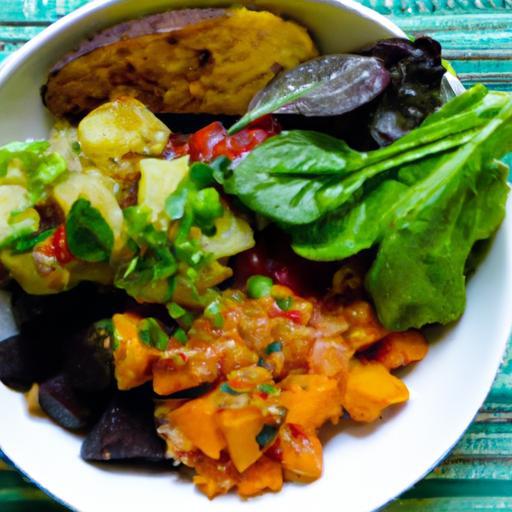
- Assemble the bowl: In individual serving bowls,layer baby greens,cooked lentils,quinoa,and shredded carrot. Top with diced red bell pepper, avocado slices, toasted almonds, chia seeds, and fresh cilantro.
- Drizzle dressing: generously drizzle the tahini dressing over each bowl. For extra zest, squeeze a wedge of fresh lemon on top before serving.
- Optional finishing touch: garnish with a sprinkle of smoked paprika or crushed red chili flakes for a subtle kick and visual appeal.
Tips for Success
- Make it ahead: Cook lentils and quinoa in advance and store in airtight containers for up to 4 days. Assemble bowls fresh to maintain crisp greens and creamy avocado texture.
- Texture balance: The contrast between tender lentils, fluffy quinoa, crunchy almonds, and creamy avocado is key-don’t skip toasting the nuts and seeds for maximum flavor and nutrient absorption.
- Customizable proteins: Swap lentils for cooked chickpeas or black beans for variety while keeping protein content high.
- Boost absorption: The lemon juice and olive oil in the dressing enhance iron and fat-soluble vitamin absorption-don’t skimp on these components.
- Nut allergies: Replace almonds with pepitas or sunflower seeds if needed.
Serving Suggestions
Serve these bowls as a vibrant lunch or a satisfying dinner alongside warm whole-grain flatbreads or sprouted seed crackers. A light sprinkle of microgreens or edible flowers amps up the visual wow factor, perfect for an Instagram-worthy plate. Pair with refreshing cucumber-mint water or herbal tea to complement the earthy, nutty flavors.

| Nutrient | Per Serving |
|---|---|
| Calories | 420 kcal |
| Protein | 22 g |
| Carbohydrates | 48 g |
| Fat | 15 g |
For more plant-based meal prep ideas,explore this vegan meal prep guide. Learn about the science behind maximizing nutrient absorption from plant proteins at Harvard T.H. Chan School of Public Health.
Q&A
Q&A: Power-Packed plant Bowls – Your Guide to High-Protein Vegan Meals
Q1: What exactly is a power-packed plant bowl?
A power-packed plant bowl is a vibrant, nutrient-dense meal built around wholesome plant-based ingredients that deliver a hearty dose of protein, fiber, vitamins, and minerals. Think colorful veggies,beans,grains,nuts,and seeds artistically combined to fuel your body and satisfy your taste buds.
Q2: Why focus on protein in vegan meals?
Protein is essential for muscle repair,energy,and overall health. While plant foods may not always contain as much protein per serving as animal products, a well-crafted vegan bowl can provide ample amounts by mixing complementary sources-ensuring you stay energized and nourished without compromising your plant-based lifestyle.
Q3: What are some top vegan protein sources to include in these bowls?
great plant-based protein ingredients include quinoa, lentils, chickpeas, tempeh, tofu, edamame, black beans, hemp seeds, chia seeds, pumpkin seeds, almonds, and nutritional yeast. These powerhouses supply essential amino acids and contribute to a satisfying texture and flavor profile.
Q4: How can I make my plant bowl flavorful and protein-rich?
A: Start with whole grains like farro or brown rice, add legumes or soy protein, toss in nuts or seeds, and layer fresh or roasted veggies. Finish with a bold dressing—tahini, lemon-tahini, or smoky chipotle—for maximum flavor.
Q5: Can these bowls be tailored for specific dietary needs?
A: Absolutely! Swap grains for cauliflower rice for gluten-free, replace nuts with seeds for allergies, or emphasize leafy greens and legumes for lower carbs. Plant bowls are highly adaptable.
Q6: How can a busy person integrate power-packed plant bowls into their routine?
Meal prepping is a lifesaver. Cook grains and proteins in bulk, chop and roast veggies ahead of time, and store components separately in the fridge. When hunger strikes,simply assemble the components,add your favorite sauce,and enjoy a quick,nourishing bowl that tastes fresh every time.Q7: Are power-packed plant bowls filling enough to keep me energized throughout the day?
Definitely! Their high protein and fiber content promote long-lasting satiety, preventing the mid-afternoon slump. Plus, the combination of complex carbs and healthy fats ensures steady energy release, keeping your mind sharp and body active.
Q8: What’s a simple, high-protein plant bowl recipe for beginners?
Try this: cooked quinoa base, roasted chickpeas seasoned with smoked paprika, steamed broccoli, shredded carrots, avocado slices, a sprinkle of hemp seeds, and a lemon-tahini dressing. It’s easy, balanced, and deliciously satisfying.
Q9: How do power-packed plant bowls contribute to enduring eating?
By focusing on plants,these bowls reduce reliance on resource-intensive animal agriculture.They emphasize nutrient-dense, minimally processed ingredients that promote environmental health without sacrificing flavor or nutrition-a win-win for you and the planet.
Q10: Any tips for experimenting with flavors and textures in plant bowls?
Don’t be afraid to mix it up! Combine roasted, steamed, and raw veggies for textural contrast. Play with spices and herbs from around the world-cumin, turmeric, fresh cilantro, or ginger add exciting layers. crunchy nuts,creamy dressings,and tangy pickled veggies can transform a simple bowl into a gourmet experience.
Enjoy crafting your power-packed plant bowls-each one a colorful celebration of health, flavor, and sustainability!
In Summary
As you embark on your journey toward vibrant health and sustainable eating, power-packed plant bowls stand as delicious evidence that high-protein vegan meals can be as satisfying as they are nutritious. Whether you’re fueling up for a busy day or seeking a wholesome post-workout refuel, these bowls offer endless creativity, vibrant flavors, and the protein punch your body craves-all without compromising your values. So, grab your favorite grains, legumes, and fresh veggies, and start crafting your own signature bowls that nourish both body and soul. With plant-powered protein at your fingertips, a world of energy and wellness awaits in every colorful, nutrient-rich bite.