

In a world where low-carb lifestyles reign supreme, the humble loaf of bread has long been the ultimate paradox-comfortingly familiar yet notoriously off-limits. But what if your morning toast could tantalize your taste buds without tipping the carb count? Welcome to the exciting frontier of zero-carb bread breakthroughs, where culinary innovation meets nutritional savvy. From revolutionary ingredients to ingenious baking techniques, these tasty low-carb choices are redefining what bread can be-delicious, satisfying, and perfectly aligned with your health goals. Let’s explore the cutting-edge creations turning the carb dilemma on it’s head, one slice at a time.
zero-Carb Bread Breakthroughs offer an inspiring gateway into a world where indulgent texture and rich flavor meet impeccable health-consciousness. Imagine biting into a loaf that delivers the warmth and crumb of classic bread-with none of the carbs that often hold us back. By harnessing pioneering ingredients such as konjac flour, psyllium husk, and nut-based blends, these recipes shatter the myth that low-carb baking means sacrificing pleasure. This culinary revolution invites you to master zero-carb creations that elevate every meal.
prep and Cook Time
- Preparation: 15 minutes
- Cook Time: 45 minutes
- Total Time: 1 hour
Yield
1 standard loaf (10 slices)
Difficulty Level
Medium – beginner bakers with attention to detail will find great success.
Innovative Low-Carb almond & Psyllium Seed Bread
- 1 ½ cups blanched almond flour, finely ground
- 2 tbsp psyllium husk powder, crucial for elasticity
- 1 tbsp konjac flour (glucomannan), for moisture retention
- 1 tsp baking powder, gluten-free
- 1 tsp sea salt
- 3 large eggs, room temperature
- ¼ cup warm water
- 2 tbsp melted coconut oil or avocado oil
- 1 tsp apple cider vinegar, to activate rising
Instructions
- Preheat your oven to 350°F (175°C). Line a 9×5-inch loaf pan with parchment paper, allowing edges to hang over for easy removal.
- Combine dry ingredients: In a large bowl,whisk the almond flour,psyllium husk powder,konjac flour,baking powder,and sea salt. The psyllium husk and konjac flour will form the foundation for a firm crumb and moist interior.
- Mix wet ingredients: In a separate bowl, beat the eggs thoroughly, then add warm water, melted coconut oil, and apple cider vinegar. these elements help the bread rise gently and create tenderness.
- Slowly blend wet and dry: Pour the wet mixture into the dry ingredients and stir. The dough will thicken quickly; use a spatula to press it firmly into one ball.
- Transfer to loaf pan and smooth: Push the dough evenly into the prepared pan, smoothing out the top. Wetting your fingers slightly here can help achieve a clean finish.
- Bake for 40-45 minutes or until the bread is set and a toothpick inserted in the center comes out clean. The crust will be golden and slightly crisp.
- Cool completely inside the pan before lifting it out by the parchment edges. Cooling sets the crumb texture perfectly and makes slicing easier.
Chef’s Tips for Success
- Substitutions: Macadamia or pecan flour can replace almond flour for a unique nutty taste and slightly differing texture.
- Hydration balance: If your dough feels too dry, add an extra tablespoon of warm water. Too sticky? incorporate a pinch more almond flour and psyllium husk.
- Storage: Wrap fully cooled bread tightly in foil or store in an airtight container. It keeps fresh in the refrigerator for up to one week.
- Freeze slices individually for grab-and-go convenience; toast directly from frozen for best flavor release.
- Don’t rush the cooling phase. Cutting too soon can cause crumbling; patience yields the best structural integrity.
Serving Suggestions
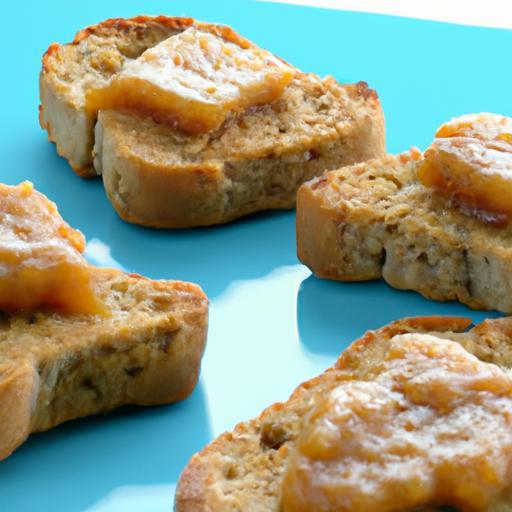
Slice thick for the perfect base to creamy avocado mash garnished with chili flakes and lemon zest-a snack that dazzles! Or, lightly toast slices and top with your favorite soft cheese and fresh herbs like dill or chives for an elegant brunch. This loaf also excels as sandwich bread, pairing effortlessly with grilled vegetables, roasted turkey breast, or a vibrant caprese salad. Garnish with a sprinkle of sesame seeds or flaxseeds before baking to add striking visual texture and an earthy crunch.

| Nutrient | Amount per Slice |
|---|---|
| Calories | 120 |
| Protein | 6g |
| Net Carbs | 0g |
| Fat | 10g |
For further inspiration,explore our keto bread recipes that focus on complementary low-carb techniques.moreover, the National Institutes of Health provides valuable insights on glucomannan (konjac) flour’s notable fiber benefits-making it a cornerstone ingredient in zero-carb bread breakthroughs.
Q&A
Q&A: Zero-Carb Bread Breakthroughs – Tasty Low-Carb Choices
Q1: What does “zero-carb bread” really mean?
A1: Zero-carb bread refers to bread products crafted to have virtually no carbohydrates, often achieved by replacing conventional grains with choice ingredients like nuts, seeds, and fiber-rich plant proteins. These breads cater to those seeking keto-friendly, low-carb, or diabetic-friendly options without sacrificing the joy of a sandwich or toast.
Q2: How do zero-carb breads differ from typical low-carb breads?
A2: While low-carb breads generally reduce carbs by using whole grains or alternative flours, zero-carb breads go a step further by eliminating virtually all digestible carbohydrates.This often involves inventive recipes that use ingredients like psyllium husk, flaxseed meal, or cheese-based flours, prioritizing fiber and fat content while maintaining a bread-like texture.
Q3: What are some popular ingredients in zero-carb bread recipes?
A3: Key players include almond flour, coconut flour, flaxseeds, chia seeds, psyllium husk powder, eggs, and baking powders. These ingredients work together to mimic the structure and moisture of traditional bread without the carbohydrate load.Q4: Can zero-carb breads satisfy bread cravings without impacting blood sugar?
A4: Absolutely! Because they contain minimal to no digestible carbohydrates, zero-carb breads have a negligible effect on blood sugar levels, making them excellent choices for those managing insulin sensitivity or aiming to stay in ketosis.Plus, many report that the nutty, hearty flavors of these breads provide a satisfying bread experience.
Q5: How do zero-carb breads taste compared to regular bread?
A5: They offer a different taste profile - often a richer, nuttier flavor with a denser texture. Some varieties boast a slight earthiness from seeds or fiber, while others have a pleasantly chewy bite. Creative recipes balance these elements, sometimes incorporating herbs or spices, to elevate flavor beyond ordinary expectations.Q6: Are zero-carb breads suitable for baking at home?
A6: Definitely! Many zero-carb bread recipes are designed for home bakers, using common ingredients and simple techniques. From quick breads to yeast-free loaves, enthusiasts can experiment with baking tools like loaf pans or silicone molds to craft their own zero-carb breads fresh from the oven.
Q7: What’s the shelf life of zero-carb breads compared to traditional bread?
A7: Zero-carb breads frequently enough have less moisture and fewer preservatives, which can make them last a bit less long than commercial loaf bread. However, storing them in airtight containers or refrigerating can extend freshness. Some recipes also freeze well, allowing you to enjoy your loaf over several weeks.
Q8: Where are zero-carb breads making the biggest impact?
A8: These breads are revolutionizing ketogenic, diabetic, and Paleo-friendly eating by providing an essential staple without the carb guilt. They’re showing up in specialty bakeries, health food stores, and online marketplaces, making it easier than ever to find bread alternatives aligned with various dietary lifestyles.Q9: Are there any nutritional benefits beyond being carb-free?
A9: Yes – many zero-carb breads are rich in healthy fats, fiber, and plant-based proteins.ingredients like flaxseeds and chia seeds add omega-3 fatty acids and antioxidants, making these breads a nutrient-dense option that supports overall health alongside carb-conscious goals.
Q10: What’s next for zero-carb bread innovations?
A10: The future looks luminous with ongoing experimentation in ingredient combinations and baking technologies. We can anticipate breads with even more delicate textures, bold flavors, and enhanced nutritional profiles, making zero-carb bread an exciting frontier for food scientists and culinary creatives alike.
Zero-carb bread breakthroughs are not just a fad – they’re the tasty evolution of bread that meets modern nutritional needs without compromise. Whether you’re slicing it for a quick snack or piloting a new recipe, these breads prove that zero carbs can still deliver plenty of flavor and satisfaction.
Future Outlook
As the culinary world continues to innovate, zero-carb bread breakthroughs are transforming the way we think about low-carb living. No longer confined to flavorless substitutes or crumbly textures, today’s options offer satisfying taste and versatility without the carb count. Whether you’re managing your macros, cutting carbs for health reasons, or simply exploring new dietary horizons, these tasty low-carb breads open doors to meals once thought off-limits. So,the next time you crave the comfort of bread without the carb guilt,remember-science and creativity have risen to the occasion,delivering delicious choices that truly break the mold.