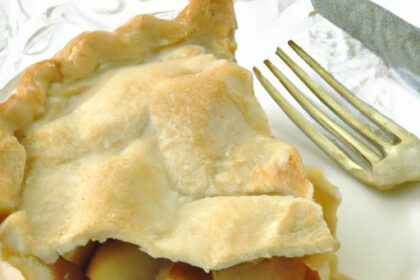


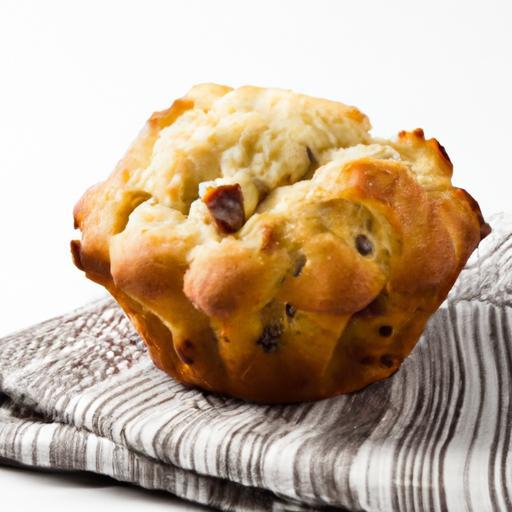
Baking without gluten used to feel like venturing into uncharted territory-full of trial, error, and occasional disappointment.But thanks to the rise of innovative gluten-free flours, the art of baking has become more accessible and appetizing than ever. Whether you’re celiac,gluten-sensitive,or simply exploring healthier alternatives,choosing the right all-purpose gluten-free flour can make all the difference between crumbly mishaps and picture-perfect loaves,cakes,and cookies. In this article, we’ll explore the top gluten-free all-purpose flours that promise to elevate your baking adventures and deliver consistently flawless, mouthwatering results every time.
Top Gluten-Free All-Purpose Flours for Perfect Baking Results is your essential guide to mastering the art of gluten-free baking by choosing the best flour blends tailored to every recipe. Navigating the world of gluten-free flours can be daunting, but understanding their unique properties empowers you to create everything from tender cakes to chewy breads with ease and precision.
Choosing the Right Gluten Free Flour for Every Recipe
Each gluten-free flour brings its own distinctive characteristics that affect texture, flavor, and rise. For example, almond flour offers a rich, moist crumb but is denser, while rice flour provides a neutral base with a slightly gritty texture. Knowing these nuances lets you select or blend flours to highlight your recipeS strengths, whether it’s crumbly cookies, soft muffins, or airy pancakes.
Understanding the Unique Baking Properties of Popular Gluten free Flours
- Almond Flour: Adds moisture, fat, and a tender crumb. Ideal for cookies and fast breads, but can make dough dense if used alone.
- Brown Rice Flour: Neutral flavor and moderate density; great as a base but can yield grainy textures without blending.
- Tapioca Flour: Adds chewiness and elasticity, helping to mimic gluten’s stretch – perfect for breads and pizza crusts.
- Arrowroot Powder: Light, starchy powder that creates a tender, delicate crumb and helps with browning.
- Coconut Flour: Highly absorbent and rich in fiber; works best when combined with other flours to avoid dryness.
Expert Tips for Blending Gluten Free Flours to Achieve Ideal Texture
Blending multiple gluten-free flours is a game-changer. Combining the nuttiness of almond flour, the structure of brown rice flour, and the elasticity of tapioca starch creates a synergy that transforms baked goods. A classic ratio to start with is:
- 40% Brown Rice Flour
- 30% Almond Flour
- 15% Tapioca Starch
- 15% Arrowroot Powder or Potato Starch
This blend balances moisture,structure,and tenderness,performing wonderfully in cakes,muffins,and breads. Adding a binding agent such as xanthan gum or psyllium husk enhances cohesion and crumb resilience, especially in yeast bread recipes.
Top Recommended Gluten Free all Purpose Flours for Consistent baking Success
For a time-saving option without sacrificing quality, consider high-performing pre-made blends available online or in specialty stores. Brands like Bob’s Red Mill, King Arthur, and Cup4Cup boast thoughtfully formulated gluten-free flour mixes crafted for versatility and dependable results. These blends often combine rice flour, tapioca starch, and other gluten-mimicking ingredients to streamline your baking process.

prep and Cook Time
- Readiness: 15 minutes
- Cook Time: 25-35 minutes (dependent on recipe)
- Total Time: 40-50 minutes
Yield
Typically yields about 2 ½ cups of gluten-free all-purpose flour blend, sufficient for most baking needs.
Difficulty Level
Easy – perfect for bakers at any skill level seeking consistent gluten-free results.
Ingredients
- 1 cup brown rice flour, finely milled
- ¾ cup almond flour, blanched and finely ground
- ¼ cup tapioca starch (also called tapioca flour)
- ¼ cup arrowroot powder
- 1 tsp xanthan gum* (optional, but recommended for structure)
Instructions
- Measure Accurately: Use a digital scale or spoon-float method to avoid packing flours, ensuring precise proportions for a balanced blend.
- Sift Together: Combine all flours and starches in a large bowl. Sift 2-3 times to evenly incorporate all ingredients and aerate the mixture, promoting lighter baked goods.
- Add Xanthan Gum: If your recipe requires elasticity (especially for breads or pizza dough), stir in xanthan gum thoroughly. Skip for recipes where texture tends to be delicate or crumbly.
- Store Properly: Transfer the gluten-free all-purpose flour blend into an airtight container,keeping it in a cool,dry place for up to 3 months or in the freezer for longer freshness.
- Use in Recipes: Substitute your homemade blend cup-for-cup in your favorite gluten-free recipes, adjusting hydration as needed as almond flour retains moisture.
Chef’s Notes
- Substitutions: For nut-free options, replace almond flour with additional brown rice flour and increase tapioca starch by 2 tbsp for moisture.
- Binding Agents: Xanthan gum improves dough elasticity. Use 1 tsp per cup of gluten-free flour blend in most recipes.
- Troubleshooting: If baked goods crumble, add a touch more xanthan gum or an egg replacer. For dry results, try adding yogurt or applesauce for moisture.
- Make-Ahead: Blend flours in bulk to save time. Transfer the mixture to labeled jars for quick access to the perfect gluten-free all-purpose flour whenever inspiration strikes.
Serving suggestions
Use this flour blend as the foundation for hearty banana bread topped with toasted walnuts, delicate vanilla cupcakes crowned with whipped coconut cream, or rustic artisan breads paired beautifully with herb-infused olive oil and fresh garden salad. Garnish sweet baked goods with a light dusting of powdered sugar or fresh berries to elevate presentation and flavor.
| Ingredient | Calories (per ¼ cup) | Protein (g) | Carbs (g) | Fat (g) |
|---|---|---|---|---|
| Brown Rice Flour | 160 | 3.5 | 35 | 1 |
| Almond Flour | 160 | 6 | 6 | 14 |
| Tapioca Starch | 110 | 0 | 27 | 0 |
| Arrowroot Powder | 120 | 0 | 27 | 0 |
Looking to deepen your understanding of baking science? Check out our comprehensive gluten-free baking techniques guide for advanced tips. Additionally, for scientifically backed information on gluten-free ingredients, visit Celiac Disease Foundation.
Q&A
Q&A: Top Gluten-Free All-Purpose Flours for Perfect Baking Results
Q1: Why should I consider using a gluten-free all-purpose flour blend for baking?
A1: Gluten-free all-purpose flour blends are designed to mimic the structure and texture that gluten provides in customary baking. Using a well-formulated blend means you can create tender, chewy, and fluffy baked goods without the typical challenges of gluten-free baking. These blends combine various flours and starches to deliver balanced moisture, rise, and crumb, giving you delightful results in everything from cakes to breads.
Q2: What are some common ingredients found in top gluten-free all-purpose flour blends?
A2: Quality gluten-free blends usually combine rice flour,tapioca starch,potato starch,and sometimes sorghum or millet flour. These ingredients work together to provide structure, binding, and moisture retention. Some blends also include xanthan gum or guar gum to help replicate gluten’s elasticity,ensuring your dough or batter holds together nicely.
Q3: Can I substitute gluten-free all-purpose flour 1:1 for regular wheat flour in recipes?
A3: Many gluten-free all-purpose flours are formulated for a 1:1 substitution, which makes transitioning your favorite recipes easier. Though, depending on the brand and recipe type, slight adjustments in liquid or baking time might be needed for the best texture. Always check the blend’s instructions and be prepared to experiment a bit to find your perfect bake.
Q4: Are there gluten-free all-purpose flours suitable for people with nut allergies?
A4: Absolutely! While some blends may contain nut flours like almond, there are many excellent gluten-free all-purpose options that are nut-free.Blends based primarily on rice, tapioca, and potato starch avoid common allergens and are safe choices for those with nut sensitivities.
Q5: How do gluten-free all-purpose flours affect flavor?
A: Most gluten-free blends taste neutral or mildly sweet, so they won’t overshadow your recipe. Flours like sorghum or millet can add a slight earthy note, but overall they let the main flavors—chocolate, fruit, spices—stand out.
Q6: Is xanthan gum always needed in gluten-free baking?
A: Not necessarily. Many gluten-free all-purpose blends already include xanthan gum or another binder. If yours doesn’t, adding some can improve structure and rise. Always check the package instructions for guidance.
Q7: Can I use gluten-free all-purpose flour blends for savory recipes as well as sweet ones?
A7: Yes! These versatile blends perform well in both sweet and savory dishes-from fluffy pancakes and muffins to crispy veggie fritters and hearty flatbreads. Just remember that the blend is a base; seasonings and liquid adjustments tailor the final flavor and texture to the dish.
Q8: How should I store gluten-free all-purpose flour to keep it fresh?
A8: To maintain freshness and prevent clumping, store your gluten-free flour blend in an airtight container in a cool, dry place. For longer shelf life-especially for blends containing whole grain flours-keeping the flour in the refrigerator or freezer is a smart move. Just bring it to room temperature before baking.
Q9: What’s the best way to test new gluten-free flour blends in my recipes?
A9: Start by substituting the flour 1:1 in a simple recipe you know well, like pancakes or cookies. Observe texture, moisture, and taste, and then adjust liquids or rising agents if needed. Keeping a baking journal can definitely help track what works best with each blend, empowering you to tweak recipes confidently.
Q10: Can gluten-free all-purpose flours help those newly diagnosed with gluten intolerance or celiac disease enjoy baking again?
A10: Absolutely! The right gluten-free all-purpose flour blend can open the door to delicious baking experiences for anyone avoiding gluten. They take much of the guesswork out of baking, allowing folks new to gluten-free cooking to create treats that look, feel, and taste wonderfully satisfying-no compromise needed.
Future Outlook
Whether you’re a seasoned gluten-free baker or just starting your journey, choosing the right all-purpose flour can transform your creations from good to unforgettable. With the options outlined above, you’re armed with the knowledge to pick a blend that suits your taste, texture, and dietary needs-turning every recipe into a delicious success. Remember,gluten-free baking is as much about experimentation as it is about precision,so don’t hesitate to mix,match,and make your perfect flour blend. Here’s to countless batches of crumbly cookies, fluffy cakes, and golden breads-all gluten-free and all fabulous!