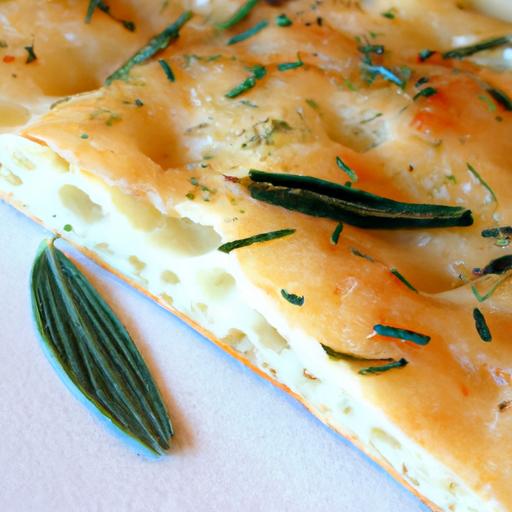


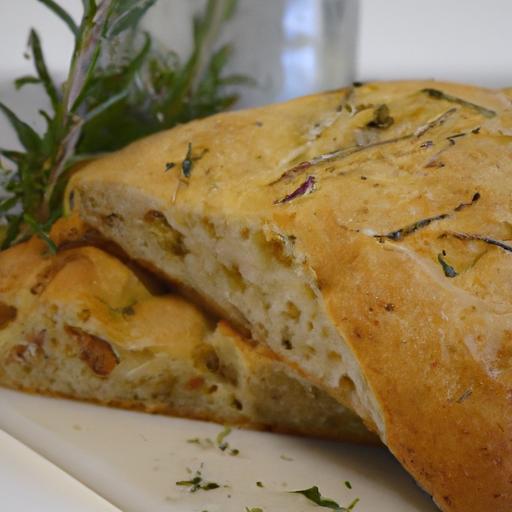
Imagine the warm, inviting aroma of freshly baked focaccia wafting through your kitchen, it’s golden crust dotted with fragrant rosemary sprigs and a sprinkle of coarse sea salt. Now, picture this beloved Italian classic transformed to embrace a gluten-free lifestyle-without sacrificing an ounce of its delightful texture or rich flavor. Gluten-Free rosemary Focaccia offers a creative twist on tradition, inviting both gluten-sensitive food lovers and adventurous eaters to savor a slice of Italy’s rustic charm. In this article, we’ll explore how to craft this aromatic, tender bread that beautifully balances herbal notes with a tender crumb, proving that dietary restrictions need never dull the joy of authentic, comforting flavors.
Gluten-Free Rosemary Focaccia brings an irresistible sensory experience that fuses rustic Italian charm with modern dietary needs. rooted in traditional Italian baking,this take on focaccia crafts a tender,airy crumb with the unmistakable aroma of fresh rosemary and the rich kiss of high-quality olive oil. Perfectly balancing texture and flavor, this bread proves that going gluten-free never means sacrificing indulgence or authenticity.
Prep and Cook Time
- Preparation: 20 minutes
- Rising Time: 1 hour 15 minutes
- Baking Time: 25 minutes
- Total Time: 1 hour 60 minutes
Yield
1 focaccia loaf, serving 6-8 people
Difficulty Level
Medium – ideal for home bakers ready to master gluten-free dough handling and achieve an artisan finish.
Ingredients
- 2 ½ cups gluten-free all-purpose flour, preferably one with xanthan gum included
- 1 cup warm water (about 110°F/43°C)
- 1 packet (2 ¼ tsp) active dry yeast
- 1 tbsp honey or maple syrup
- ⅓ cup extra virgin olive oil, divided
- 1 tsp fine sea salt
- 2 tbsp fresh rosemary leaves, chopped finely
- Coarse sea salt, for topping
Instructions
- Activate the yeast: In a small bowl, combine the warm water, honey, and yeast. Stir gently and let it sit for 5-10 minutes until foamy, indicating the yeast is alive and active.
- Mix dry ingredients: In a large mixing bowl,whisk together the gluten-free flour and fine sea salt. This ensures even distribution before incorporating liquids.
- Create the dough: Form a well in the centre of the dry mix and pour in the yeast mixture along with 2 tablespoons of olive oil. Using a wooden spoon or dough hook attachment on a stand mixer, mix until a sticky, cohesive dough forms. If too dry, add a splash more water; if too wet, sprinkle a bit more flour.
- first rise: Lightly oil a large bowl, place the dough inside, and cover with plastic wrap or a damp towel. Set in a warm spot to rise until doubled in size, about 1 hour.
- Prepare the pan: Drizzle 1 tablespoon of olive oil on a 9×13 inch baking pan and spread evenly. Transfer the risen dough to the pan, gently pressing it out with greased hands to fit evenly. Don’t worry if it’s slightly sticky; this moisture is key to a tender focaccia.
- Indent and season: With your fingertips, dimple the surface of the dough evenly to create those signature focaccia pockets. Drizzle the remaining olive oil over the top.
- Add flavor: Sprinkle finely chopped fresh rosemary and a pinch of coarse sea salt liberally over the dough, pressing lightly to embed the flavors.
- Second rise: Let the dough rest uncovered for 20 minutes, allowing it to puff slightly before baking.
- Bake to perfection: Preheat the oven to 425°F (220°C).bake the focaccia in the middle rack for 20-25 minutes, or until the crust turns a stunning golden brown and feels crisp to the touch.
- Finish and cool: Remove from the oven and allow to cool in the pan for 10 minutes before transferring to a wire rack. This rest lets steam escape, preserving the texture.
Tips for Success
- Flour blend matters: Use a well-balanced gluten-free all-purpose flour with xanthan gum or add ½ teaspoon yourself to ensure dough elasticity.
- Gentle handling: Gluten-free dough can be stickier; avoid overworking it and focus on shaping gently with oiled hands.
- Fresh herbs: Rosemary aroma intensifies when fresh – chop finely and sprinkle just before baking to maximize flavor.
- Olive oil quality: Invest in a good-quality extra virgin olive oil as it deeply impacts the aroma and mouthfeel.
- Make ahead: Dough can be prepared the night before and refrigerated overnight after the first rise. Bring to room temperature and proceed with shaping and second rise the next day.
- Crispy crust tip: For ultra-crispy bottoms, bake on a preheated pizza stone or an inverted heavy baking sheet.
Serving Suggestions
This Gluten-Free Rosemary Focaccia pairs beautifully with bright, fresh accompaniments that echo Italian flavors. Serve warm,cut into rustic squares or strips.
- Drizzle with aged balsamic vinegar alongside a bowl of marinated olives for dipping.
- Top with creamy burrata or fresh mozzarella and a scatter of halved cherry tomatoes for a delightful appetizer.
- Accompany a vibrant minestrone or creamy tomato soup to create a comforting meal.
- Garnish with an extra sprig of rosemary and a light sprinkle of flaky Maldon sea salt for presentation.
| Nutrient | Per Serving |
|---|---|
| Calories | 210 kcal |
| Protein | 4 g |
| Carbohydrates | 28 g |
| Fat | 9 g |
Explore more gluten-free Italian bread recipes to deepen your baking journey.
For additional science-backed tips on gluten-free baking,consult Celiac Disease Foundation’s resource guide.

Q&A
Q&A: Gluten-Free Rosemary Focaccia – A Flavorful Italian Twist
Q1: What makes this rosemary focaccia recipe uniquely flavorful despite being gluten-free?
A1: The secret lies in the fragrant infusion of fresh rosemary combined with a drizzle of good-quality olive oil. By using aromatic herbs and the traditional focaccia technique-pressing dimples into the dough to hold pockets of oil and herbs-we create an irresistibly crunchy crust and tender crumb that burst with savory Italian charm, all without gluten.
Q2: Is it difficult to achieve the classic focaccia texture without gluten?
A2: While gluten typically provides elasticity to bread, this recipe uses a thoughtful blend of gluten-free flours (like rice flour, tapioca starch, and potato starch) along with xanthan gum to mimic that stretch and chewiness. Plus, a perfectly hydrated dough and enough rising time ensure you get that airy, pillowy texture characteristic of focaccia.
Q3: Can I use dried rosemary rather of fresh?
A3: Fresh rosemary is preferred for its vibrant aroma and flavor, but if dried rosemary is your pantry staple, feel free to use it sparingly. Dried herbs are more concentrated, so reduce the amount and sprinkle some directly on top after drizzling olive oil to avoid bitterness during baking.
Q4: What’s the best way to serve gluten-free rosemary focaccia?
A4: Serve it warm, straight from the oven, as a delicious snack, bread side, or appetizer. It pairs wonderfully with dips like basil pesto,roasted garlic aioli,or a simple tomato bruschetta topping.Its flavor also shines when sandwiching fresh mozzarella and tomatoes for a quick, satisfying bite.
Q5: How do I store leftover gluten-free focaccia without losing its texture?
A5: Wrap any leftovers tightly in plastic wrap or place them in an airtight container to maintain moisture. To revive the crispness,reheat slices in a preheated oven at 350°F (175°C) for about 5 to 7 minutes before serving-this brings back that delightful crust without drying out the bread.
Q6: Are there natural ways to add extra flavor or texture without complicating the gluten-free dough?
A6: Absolutely! Try sprinkling flaky sea salt or cracked black pepper on top before baking, or add a handful of kalamata olives or sun-dried tomatoes pressed gently into the dough for bursts of tangy, savory delight. These additions elevate the focaccia while keeping the recipe simple and approachable.
Q7: Can this recipe be doubled or scaled down easily?
A7: Yes! Gluten-free focaccia dough is quite forgiving. Doubling the recipe is perfect for gatherings, while halving works well for smaller households. Just keep an eye on rising times and baking duration, as thicker or thinner dough layers may need adjustment to achieve that perfect golden crust.
This Q&A gives you all you need to bake a gluten-free rosemary focaccia that’s rich in old-world flavor and modern dietary care-no gluten, no fuss, just delicious Italian soul in every bite!
To Wrap It Up
As you savor the last crumb of this gluten-free rosemary focaccia, you’ll realise it’s more than just bread-it’s a celebration of Italian tradition reimagined for modern tastes and dietary needs. This fragrant, herb-kissed flatbread invites you to explore the rich tapestry of flavors that can be achieved without gluten, proving that culinary creativity knows no bounds. Whether enjoyed as a snack,a side,or the foundation of your next sandwich,this focaccia brings a wholesome twist to every bite. So, next time you crave a slice of Italy, remember: gluten-free can be just as flavorful, just as comforting, and just as delightful. Buon appetito!