


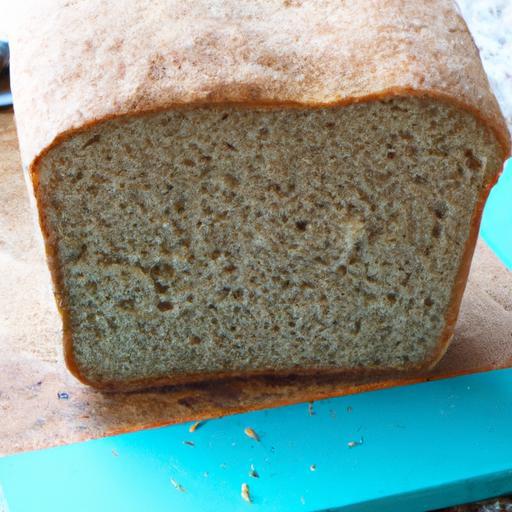
In the ever-evolving world of low-carb living, bread frequently enough feels like the forbidden delight-especially when you crave that tangy, chewy goodness of sourdough. But what if you could enjoy a keto-amiable sourdough loaf without the fuss of cultivating a starter? Welcome to the revolution of baking, where tradition meets innovation. This article will guide you through crafting an easy, low-carb keto sourdough bread that captures the essence of classic sourdough, minus the lengthy starter process. Prepare to transform your kitchen into a carb-conscious bakery and savor every guilt-free slice.
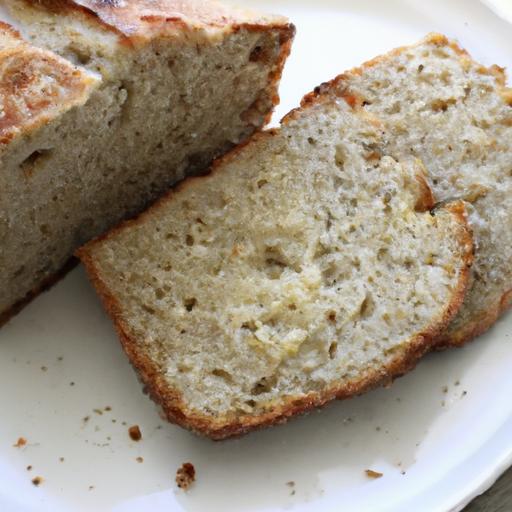
Keto sourdough bread without starter offers a revolutionary approach to enjoying that iconic tangy crust and tender crumb without the lengthy wait or elusive natural fermentation. Inspired by conventional sourdough’s rich heritage but tailored for low-carb lifestyles, this loaf captures the essence of sourdough’s depth through clever ingredient choices and smart chemistry. Embracing almond and coconut flours alongside a unique souring agent, this recipe delivers a moist, flavorful, and truly satisfying alternative to grain-heavy breads-perfectly suited for keto enthusiasts seeking that nostalgic tang without compromise.
Prep and Cook Time
- Preparation: 15 minutes
- Baking: 50 minutes
- Cooling: 30 minutes
- Total: 1 hour 35 minutes
Yield
One medium-sized loaf (~10 slices)
Difficulty Level
Easy to Medium – Ideal for bakers cozy with non-traditional flours and precise measurements
Essential Ingredients for a Flavorful Low-Carb Sourdough Alternative
- 1 ¾ cups almond flour, finely ground for smooth texture
- ½ cup finely shredded coconut flour for moisture absorption and structure
- 3 tbsp psyllium husk powder – the keto baker’s secret for elasticity and crumb
- 1 tsp baking soda to aid gentle rise and crumb-lightness
- 1 ½ tsp apple cider vinegar as the crucial tang enhancer to mimic sourdough acidity
- 1 tsp active dry yeast for subtle aeration without starter fermentation
- 4 large eggs, room temperature, binding and enriching the dough
- ⅓ cup warm water (110°F) to activate yeast and hydrate psyllium
- 1 tsp sea salt to balance flavor and enhance crust
- 2 tbsp olive oil for tenderness and richness
Step-by-Step Guide to Baking a Moist and Tangy Keto Sourdough Loaf
- Activate the yeast. In a small bowl, combine warm water, apple cider vinegar, and active dry yeast. Let it bloom for 5-7 minutes until foamy. This step creates light carbon dioxide bubbles simulating fermentation’s natural rise.
- Mix dry ingredients. In a large bowl, whisk together almond flour, coconut flour, psyllium husk powder, baking soda, and salt until evenly combined.
- Incorporate wet ingredients. Beat eggs and olive oil together in a separate bowl. Slowly add in the yeast mixture once foamy, than blend into the dry ingredients. Stir the batter with a sturdy spoon until a thick, slightly sticky dough forms.
- Shape the dough. On a parchment-lined bread pan, gently press the dough evenly, smoothing the top with wet fingers to prevent sticking.
- Rest before baking. Allow the dough to rest for 15 minutes. this brief pause lets the psyllium husk hydrate fully and the yeast add subtle lift.
- Bake. Preheat the oven to 350°F (175°C). Place the bread pan in the oven and bake for 50 minutes. The crust should be deep golden brown and firm to the touch.
- Cool completely. Remove from oven and let the loaf cool in the pan for 10 minutes before transferring to a wire rack. Cooling is essential to set the crumb and develop full flavor and texture.
Tips for Perfecting Texture and Enhancing Flavor Without Traditional Fermentation
- Use fresh psyllium husk powder. Its quality determines the bread’s elasticity and moisture retention. Avoid coarse husks to prevent grittiness.
- Don’t skip the vinegar. Apple cider vinegar is your sourdough’s soul here-adjust up to 2 tsp if you prefer a tangier profile.
- Room temperature eggs and water. These ensure optimal yeast activation and better dough cohesion.
- Rest dough. Even without a starter, allowing the dough to hydrate before baking improves crumb softness and sliceability.
- Store wrapped tightly at room temperature up to 3 days or freeze slices wrapped individually for up to a month.
- For an airier crust, tent the loaf with foil during the last 10 minutes of baking to avoid over-browning while setting the interior.
Serving Suggestions
This moist and tangy loaf shines when sliced thick and lightly toasted. Spread with avocado smash, a pat of cultured butter, or topped with fresh herbs like dill or chives for a fresh aromatic note. Pair it with creamy almond butter and a drizzle of sugar-free berry compote for a breakfast twist. For savory cravings, it’s a perfect base for open-faced keto sandwiches with smoked turkey, leafy greens, and mustard aioli. Garnish plates with microgreens or sliced radishes to elevate presentation and texture contrast.

| Nutrient | Per Slice (1/10 loaf) |
|---|---|
| Calories | 160 kcal |
| Protein | 8 g |
| Net Carbs | 3 g |
| Fat | 14 g |
For a deeper dive into keto baking staples and techniques, check out our keto Baking Basics Guide. To understand the science behind low-carb fermentation alternatives, explore this insightful resource from ScienceDirect on fermentation in keto bread.
Q&A
Q&A: Keto Sourdough Bread Without Starter – Easy Low-Carb Loaf
Q1: What makes keto sourdough bread different from regular sourdough?
A1: Keto sourdough bread swaps traditional high-carb flours with low-carb,fiber-rich alternatives like almond or coconut flour. It’s designed to keep carbs low while still delivering a tangy, sourdough-inspired flavor and satisfying texture-without spiking your blood sugar.
Q2: How is it possible to make sourdough bread without a starter?
A2: Instead of relying on a traditional sourdough starter-which is a wild yeast culture-you can mimic that signature tang by using ingredients like apple cider vinegar, lemon juice, or commercial sourdough flavor enhancers. In keto recipes,baking soda or baking powder combined with acidic elements can create the rise and subtle sourness.
Q3: What are the key ingredients in a keto sourdough bread without a starter?
A3: Essential ingredients often include almond or coconut flour,psyllium husk powder for texture and structure,eggs to bind,baking soda or powder as a leavening agent,and a splash of apple cider vinegar or lemon juice for that sourdough tang. Salt and sometimes herbs or seeds round out the flavor.
Q4: Is this bread suitable for people with gluten sensitivities?
A4: Absolutely! As keto sourdough bread typically uses gluten-free flours like almond or coconut, it’s an excellent choice for those avoiding gluten. However, always check your specific recipe and ingredient labels to ensure no hidden gluten sources.
Q5: How does the texture of keto sourdough bread compare to traditional bread?
A5: While it won’t have the exact airy crumb of classic wheat bread, this keto loaf boasts a pleasantly dense, moist texture with a slightly chewy crust. The psyllium husk plays a crucial role in mimicking that bread-like structure,so fans of hearty,rustic loaves will likely enjoy it.
Q6: Can I toast or sandwich this keto sourdough bread?
A6: Yes! This bread holds up well to toasting, to bring out its nutty flavors and enhance its crust. It also makes a sturdy base for sandwiches, perfect for keto-friendly fillings like avocado, cheese, or grilled vegetables.
Q7: How long does homemade keto sourdough bread stay fresh?
A7: Generally, it stays fresh for about 3 to 4 days when stored in an airtight container at room temperature. For longer freshness,refrigerate up to a week or freeze in slices to toast on demand.
Q8: Are there any tips to improve the flavor or rise of this bread?
A8: To boost flavor, experimenting with a mix of herbs like rosemary or thyme adds an aromatic touch. For better rise, ensure your eggs are room temperature and don’t overmix the batter-fold ingredients gently. Also, a warm resting spot before baking can enhance the bread’s lift.
Q9: Is this keto sourdough bread suitable for beginners?
A9: Definitely! This recipe is crafted to be simple, avoiding the complexity of maintaining a starter. It’s an excellent gateway bread to keto baking, delivering tasty results with minimal fuss-even if you’re new to low-carb cooking.
Q10: Can I customize the loaf with seeds or nuts?
A10: Of course! Pumpkin seeds, chia seeds, or chopped walnuts make delightful crunchy additions-either mixed into the dough or sprinkled on top before baking. Just be mindful of carb counts if you’re tracking macros closely.
This Q&A provides a flavorful snapshot of how to bake keto sourdough bread without the fuss of a traditional starter, perfect for anyone craving a low-carb loaf with a sour tang!
To Conclude
Baking keto sourdough bread without a starter might sound like a wild experiment, but as we’ve explored, it’s entirely doable-and deliciously rewarding. This easy low-carb loaf brings the tangy charm of traditional sourdough to your table without the weeks-long wait or maintenance of a starter culture. Whether you’re cutting carbs, exploring new flavors, or simply craving fresh homemade bread, this recipe offers a straightforward path to crusty, flavorful slices that fit your lifestyle. So grab your ingredients, roll up your sleeves, and enjoy the satisfying journey of crafting keto sourdough bread that’s as nourishing as it is tasty-no starter required. Happy baking!