



There’s something undeniably comforting about the smell of freshly baked bread wafting through the kitchen-but for those embracing a low-carb lifestyle, traditional loaves often feel like an off-limits indulgence. Enter keto bread: the revolutionary way to enjoy your favorite carb-amiable comfort with none of the guilt. If you’ve ever wondered how to create soft, satisfying loaves without the flour and sugar, this beginner’s guide will walk you through the essentials. From ingredient swaps to baking tips, get ready to master the art of keto bread and transform your low-carb journey one slice at a time.
Keto bread basics form the foundation for crafting loaves that rise beautifully, delight the palate, and prove that low-carb baking can be every bit as satisfying as traditional bread. Unlocking the secrets behind the key ingredients is your first step in mastering a loaf with irresistible texture and flavor-whether you’re new to keto or simply seeking a foolproof recipe to bake with confidence.
Prep and Cook Time
- Planning: 15 minutes
- baking: 40 minutes
- Total Time: 55 minutes
Yield
One 9×5 inch loaf (about 12 slices)
Difficulty Level
Easy to Medium – perfect for beginners and seasoned home bakers alike
Ingredients
- 1 ¾ cups almond flour, finely ground
- ¼ cup coconut flour, sifted
- 1 tbsp baking powder (gluten-free)
- ½ tsp xanthan gum (for structure and rise)
- ½ tsp sea salt
- 4 large eggs, room temperature
- ¼ cup unsweetened almond milk
- 3 tbsp melted coconut oil or avocado oil
- 1 tbsp apple cider vinegar (helps with rise and moisture)
Instructions
- Preheat your oven to 350°F (175°C). Line a 9×5 inch loaf pan with parchment paper or grease it lightly to prevent sticking.
- In a large bowl, combine dry ingredients: almond flour, coconut flour, baking powder, xanthan gum, and salt. Whisk thoroughly to ensure even distribution,wich is crucial for uniform rise.
- In a separate bowl, whisk the eggs until frothy, then add almond milk, melted coconut oil, and apple cider vinegar. This wet mixture will give your loaf moisture and tenderness.
- Pour the wet ingredients into the dry ingredients, folding gently with a spatula until a smooth batter forms. Avoid overmixing to keep the bread light.
- transfer batter to your prepared loaf pan, smoothing the top with a spatula.A slightly domed top is ideal for even baking.
- Bake for 40 to 45 minutes. The crust should turn golden brown, and a toothpick inserted into the center should come out clean. Begin checking at 35 minutes to avoid overbaking.
- Remove from oven and cool in pan for 10 minutes, then transfer to a wire rack to cool completely. Cooling prevents sogginess and helps the texture set perfectly.
Chef’s Notes & Tips for Success
- Almond flour quality matters: Use finely ground almond flour for the softest crumb and best rise.
- Xanthan gum is your ally: It replaces gluten’s elasticity, letting your loaf hold shape and spring up nicely.
- room temperature eggs maximize lift: Cold eggs will slow rising and can cause dense bread.
- Don’t skip the vinegar: It reacts with the baking powder creating extra lift, boosting lightness.
- Make-ahead hack: Wrap your cooled loaf tightly and freeze for up to 3 months. Thaw slices in the toaster for fresh bread moments anytime.
- Too dense? Try swapping half the almond flour for blanched hazelnut meal or adding 1 tablespoon of psyllium husk powder for extra structure and fluffiness.
Serving Suggestions
Slice this keto loaf thick for a rich avocado toast, topped with cherry tomatoes and microgreens. Or keep it classic with a smear of grass-fed butter and a sprinkle of flaky sea salt. For an elegant breakfast or snack, serve warm alongside a soft-boiled egg and fresh herbs like chives or parsley.
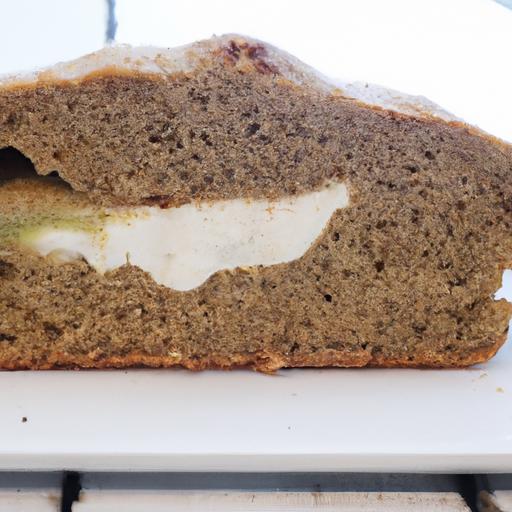
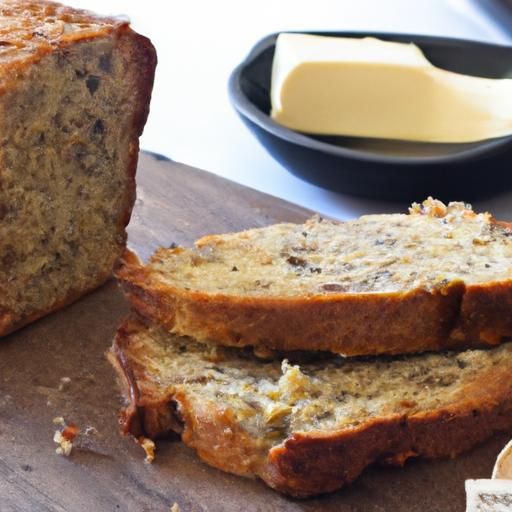
Visual appeal counts too: a crisp crust with a nutty golden sheen invites you in, while the tender, moist crumb glistens promising satisfaction in every bite.

Nutrition Data
| Nutrient | Per Slice (1/12 loaf) |
|---|---|
| Calories | 150 kcal |
| Protein | 6g |
| Net Carbs | 2g |
| Fat | 13g |
For more keto baking inspiration, check out our detailed guide on how to make fluffy keto pancakes. To deepen your knowledge about almond flour’s unique properties in gluten-free baking, visit the Healthline article on almond flour benefits.
Q&A
Keto Bread Basics: Your Beginner’s Guide to Low-Carb Loaves – Q&A
Q1: What exactly is keto bread and how does it differ from regular bread?
A1: Keto bread is a low-carb, high-fat option to traditional bread designed to fit the ketogenic lifestyle. Unlike regular bread, which relies on wheat flour rich in carbohydrates, keto bread uses low-carb ingredients like almond or coconut flour, eggs, and sometimes cheese or psyllium husk. This swap drastically reduces net carbs, helping keep your body in ketosis while still satisfying that bread craving.
Q2: Can I use regular flour when making keto bread?
A2: Traditional wheat flour is loaded with carbs and will knock you out of ketosis, so it’s best to avoid it in keto bread recipes. Instead, almond flour and coconut flour are your go-to flours. They’re packed with fiber and fat, not carbs, yielding a dense, moist loaf perfect for sandwiches or toast.
Q3: What are the key ingredients in a typical keto bread recipe?
A3: typically, keto bread blends almond or coconut flour with eggs, baking powder or baking soda for leavening, and a fat source such as butter, olive oil, or cream cheese. Seeds like flax or chia, as well as psyllium husk powder, are common additions to boost fiber and improve texture.
Q4: Why does keto bread sometimes have a different texture then traditional bread?
A4: Without gluten from wheat flour, keto bread doesn’t rise or stretch like conventional bread. It’s often denser and more crumbly. Ingredients like eggs and psyllium husk help mimic gluten’s structure, but you can expect a chewier, nuttier loaf rather than a fluffy one.
Q5: How to store keto bread to keep it fresh?
A: Wrap tightly or store in an airtight container in the fridge for up to a week. For longer storage, slice and freeze—keto bread thaws quickly and retains its texture.
Q6: Can keto bread be used like regular bread?
A: Yes! It works for sandwiches, toast, or even breadcrumbs. Perfect for breakfast toasts, low-carb spreads, or any creative use you’d normally give regular bread.
Q7: Can beginners expect keto bread to taste similar to traditional loaves?
A7: Keto bread has a unique flavor that’s frequently enough described as slightly nutty or eggy, which may take some getting used to. While it doesn’t mimic white bread perfectly, many find its earthy taste and hearty texture delicious in their own right-especially when toasted or paired with flavorful toppings.
Q8: Are there any common mistakes to avoid when making keto bread?
A8: Watch your measurements carefully! Keto baking is more of a science than a guesswork art. Using too much coconut flour, as a notable example, can make the bread dry and crumbly, while too few eggs can reduce structure.Also, don’t skip the leavening agents-they help give your loaf lift and a better crumb.
Q9: Is keto bread suitable for people with gluten intolerance?
A9: Yes! Keto bread recipes generally omit gluten-containing flours, making them naturally gluten-free. However,always double-check ingredient labels,especially for baking powders or pre-mixed flours,to ensure they’re certified gluten-free if that’s a concern for you.
Q10: What’s a good beginner-friendly keto bread recipe to try?
A10: Start simple-try an almond flour and egg bread. Combine almond flour, baking powder, eggs, and a pinch of salt, bake in a loaf pan, and voilà-you have a soft, satisfying keto loaf ready to be customized with your favorite flavors or toppings.
With these keto bread basics, you’re well on your way to mastering low-carb loaves that nourish your body and satisfy your cravings.Happy baking!
Wrapping Up
As you embark on your keto journey, remember that mastering the art of low-carb bread is more than just a recipe-it’s a gateway to delicious creativity and sustained wellness. with the basics under your belt, you’re now equipped to bake loaves that satisfy cravings without derailing your goals. So, don your apron, gather your almond flour and eggs, and watch as simple ingredients transform into golden, fluffy bread that redefines what “low-carb” can taste like. Your keto bread adventure has just begun, and the possibilities are as endless as your newfound freedom to indulge smartly. Happy baking!