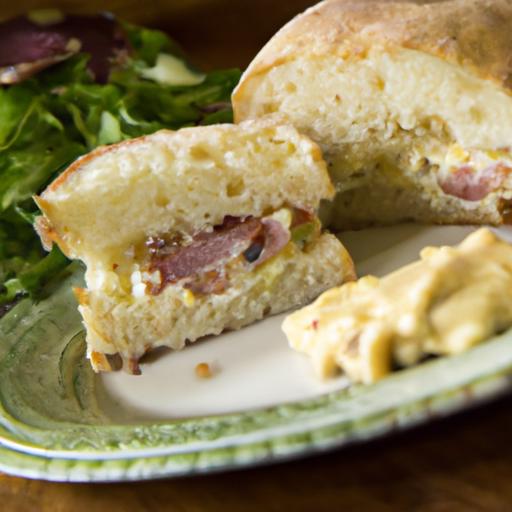


In a world where bread has long been the cornerstone of countless meals, the humble loaf is undergoing a conversion. For those seeking to cut carbohydrates without sacrificing the comforting embrace of a sandwich or toast, the quest for no-carb bread alternatives opens a realm of flavorful possibilities beyond wheat. From nutty,seed-packed creations to innovative vegetable-based loaves,these inventive options are redefining what bread can be-offering flavor,texture,and nutrition without the carb load. Join us as we explore the vibrant landscape of no-carb bread substitutes that promise to satisfy cravings and elevate your culinary repertoire,all while keeping your carb count in check.
Discovering the best no-carb ingredients for bread making opens a world of exciting culinary potential that goes far beyond customary wheat. These alternatives offer remarkable ways to craft bread with incredible texture and bold flavor, perfect for anyone seeking delicious low-carb or keto-friendly options.
Prep and Cook Time
- Prep Time: 15 minutes
- Cook Time: 30 minutes
- Total Time: 45 minutes
Yield
Makes 8 slices (serves 4)
Difficulty Level
Medium
Ingredients
- 1 ½ cups almond flour (finely ground for smooth texture)
- ½ cup psyllium husk powder (for elasticity and crumb structure)
- 1 tablespoon baking powder (aluminum-free)
- 1 teaspoon sea salt
- 4 large eggs (room temperature)
- ½ cup warm water (around 110°F / 43°C)
- 2 tablespoons apple cider vinegar (helps with rise and tenderness)
- 2 tablespoons melted coconut oil (adds moisture and richness)
Instructions
- Preheat your oven to 350°F (175°C) and line a 9×5-inch loaf pan with parchment paper or grease it well.
- In a large bowl, combine almond flour, psyllium husk powder, baking powder, and salt. Whisk these dry ingredients thoroughly to ensure even distribution; this creates the foundation for a perfect crumb.
- In a separate bowl, beat the eggs until frothy. Add warm water,apple cider vinegar,and melted coconut oil,stirring gently to combine.
- Slowly pour wet ingredients into dry ingredients, mixing with a silicone spatula until a dense dough forms. Let the mixture rest for 5 minutes to allow the psyllium husk to absorb moisture fully,developing elasticity.
- Transfer the dough to the prepared loaf pan and smooth the top evenly using a wet spatula for a clean finish.
- Bake for 30 minutes or until the crust is golden brown and a toothpick inserted in the center comes out clean. For a crisper crust, broil for an additional 2 minutes-watch carefully to prevent burning.
- Remove bread from the oven and promptly turn out onto a cooling rack. Allow to cool fully before slicing to maintain the structure and avoid crumbling.
Chef’s Tips for Success
- Substitute almond flour with finely ground hazelnut flour for a nuttier twist; keep measurements equal.
- Too crumbly? Add one extra egg or reduce psyllium husk by 1 tablespoon to balance moisture.
- Make ahead: This bread freezes beautifully. Slice, wrap individually, and store for up to 3 months.
- For sweet variations, add 1-2 teaspoons of cinnamon and a sugar substitute like erythritol or monk fruit to the dry ingredients.
- Ensure psyllium husk powder is fresh and not clumpy; this ingredient is crucial to bread elasticity.
Serving Suggestions
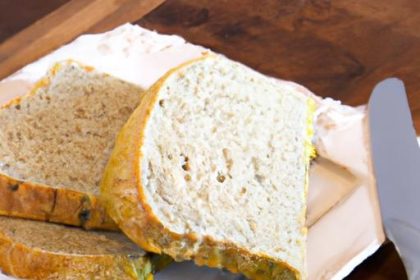
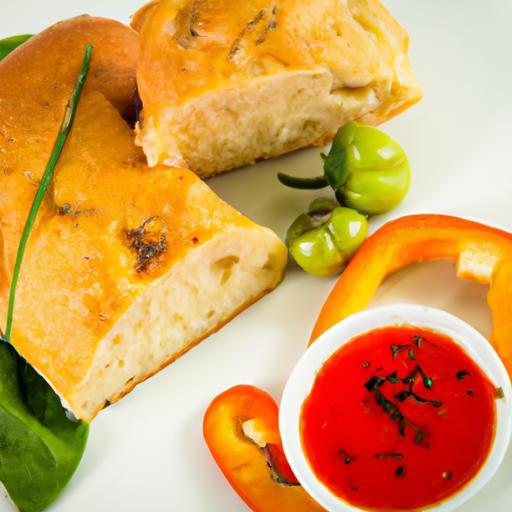
this no-carb bread serves as a versatile canvas for both savory and sweet toppings. For a satisfying breakfast, toast slices lightly and spread with creamy avocado and a sprinkle of chili flakes. For a decadent snack, top with whipped cream cheese and fresh berries, garnished with finely chopped mint leaves.
pair warm slices with herb-infused olive oil, sea salt, and minced garlic for a rustic appetizer. Alternatively, create bite-sized sandwiches filled with smoked turkey, baby spinach, and a smear of spicy mustard for a low-carb lunch that looks as good as it tastes.

| Nutrient | Per Slice |
|---|---|
| calories | 140 kcal |
| Protein | 6 g |
| Carbohydrates | 2 g (Net Carbs: 1 g) |
| Fat | 12 g |
Integrating these no-carb bread alternatives elevates your kitchen repertoire, offering a satisfying way to enjoy bread-like textures without the carbs that traditional wheat brings. For more inspiring keto recipes, check out Keto-Friendly Meal Prep Ideas. Dive deeper into the science of low-carb baking through resources like Healthline’s ketogenic diet guide.
Q&A
Q&A: Beyond Wheat – Exploring Delicious No-Carb Bread Alternatives
Q1: Why look beyond wheat when it comes to bread?
A1: Wheat-based bread, while beloved for its familiar taste and texture, is packed with carbohydrates that can spike blood sugar levels and may not align with low-carb or ketogenic lifestyles. Exploring no-carb alternatives opens doors to creative, nutrient-dense options that keep you fueled without the carb overload.
Q2: Are truly no-carb breads even possible?
A2: While most traditional breads contain varying amounts of carbs, some innovative recipes and products approach zero net carbs by using ingredients like seeds, nuts, and fiber-rich flours. These clever concoctions prioritize protein,healthy fats,and fiber to mimic bread’s comforting appeal without the carb count.
Q3: What are some popular no-carb ingredients used in these bread alternatives?
A3: Common ingredients include almond flour,coconut flour,flaxseed meal,psyllium husk,chia seeds,and mozzarella cheese.These components bring texture, moisture, and binding qualities while keeping carbohydrates to a minimum.
Q4: How do no-carb breads compare in taste and texture to traditional wheat bread?
A4: No-carb breads frequently enough have a denser, moister crumb, and a nuttier or more savory flavor profile. While they won’t replicate the exact fluffiness of wheat bread, their rich, satisfying textures offer a delightful eating experience that pairs beautifully with savory spreads or toppings.
Q5: Can no-carb bread alternatives be used in recipes the same way as regular bread?
A5: Absolutely! many no-carb breads are versatile enough for sandwiches, toast, and even breadcrumbs. Some recipes may require adjustments, such as gentler toasting or using ingredients that complement their unique textures, but they’re excellent substitutes that keep creativity alive in the kitchen.
Q6: Are there any benefits to choosing no-carb bread alternatives besides carb reduction?
A6: Beyond lowering carbohydrate intake, these breads frequently enough deliver a boost of fiber, healthy fats, and protein. Many are gluten-free, making them accessible for those with sensitivities, and packed with micronutrients from nuts and seeds, enhancing overall nutrition.
Q7: How easy is it to make no-carb bread alternatives at home?
A7: Making no-carb bread can be surprisingly simple! Many recipes require just a handful of pantry staples and minimal baking skills. From seed crackers to almond flour “loaves,” these breads are friendly to home bakers eager to experiment outside the wheat box.
Q8: Are there any tips for buying no-carb breads at the store?
A8: Look for products with minimal ingredients, high fiber, and no added sugars or starches. Checking the nutrition labels carefully is key-some so-called low-carb breads sneak in hidden carbs. Choosing reputable brands known for quality ketogenic or low-carb items ensures you get the best bang for your bite.
Q9: How do these bread alternatives fit into various dietary lifestyles?
A9: No-carb breads can harmonize beautifully with ketogenic, low-carb, paleo, and gluten-free diets. Their rich nutrient profiles support sustained energy, satiety, and digestive health, making them flexible staples across many wellness-focused eating plans.
Q10: What’s the future outlook for no-carb bread innovation?
A10: The no-carb bread market is blossoming with creativity-from 3D-printed breads to ancient seed blends. Expect to see exciting developments blending science and culinary art, bringing even more delicious, convenient, and health-conscious options to the table. The future of bread looks bright, and carb-conscious!
Closing Remarks
As the culinary world continues to evolve, so do the possibilities beyond the humble slice of wheat bread. Exploring no-carb bread alternatives not only broadens our palates but also invites us to rethink what bread can be-a canvas for creativity, nutrition, and flavor without the guilt. whether your navigating dietary needs or simply eager to try something new, these innovative options prove that satisfying the craving for bread doesn’t have to come at the cost of carbs. So go ahead, break the mold and bite into a world where bread transcends wheat, unlocking delicious potential with every crumb.