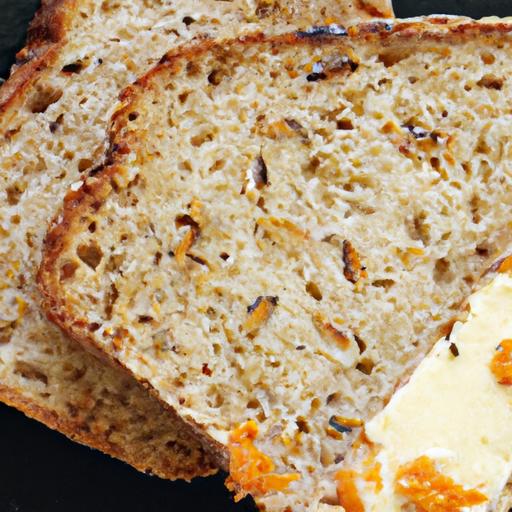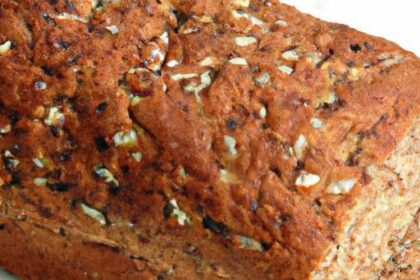




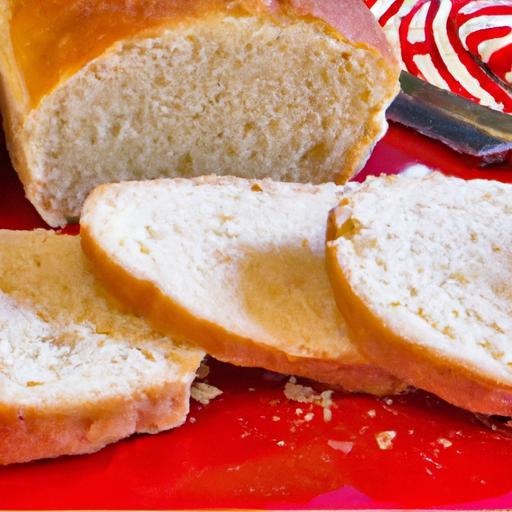
In a world where bread is often labeled a guilty pleasure, a new kitchen hero is rising: wholesome low-carb bread. Imagine a slice that’s warm, hearty, and deeply satisfying—without the carb overload of traditional loaves. This isn’t just bread; it’s a thoughtful reimagining of a timeless staple, crafted to nourish your body while delivering great flavor and texture. Whether you’re supporting health goals or simply craving a smarter way to enjoy bread, low-carb loaves offer a satisfying, gut-friendly alternative that’s reshaping how we think about this beloved bake.
Wholesome low-carb bread effortlessly redefines what you expect from a loaf, bringing together nutrient-dense ingredients that nourish your body while delighting your palate. Rooted in a modern approach to traditional baking, this recipe transforms simple pantry staples into a hearty, flavorful bread that’s perfect for anyone seeking a low-carb lifestyle without sacrificing texture or taste. Whether it’s your first time baking low-carb bread or you’re a seasoned pro,this loaf promises a satisfyingly dense crumb,a subtly nutty aroma,and an inviting golden crust that beckons you to slice in.
Prep and Cook Time
- Readiness: 15 minutes
- Cooking: 45 minutes
- total Time: 1 hour
Yield
One 9-inch loaf, approximately 12 slices
Difficulty Level
Easy-Medium
Ingredients
- 1 ½ cups almond flour (finely ground, fresh for best texture)
- ½ cup coconut flour (adds moisture and structure)
- ¼ cup ground flaxseeds (for a nutty flavor and binding)
- 2 teaspoons baking powder (ensure gluten-free for purity)
- ½ teaspoon sea salt (balances flavor)
- 4 large eggs (room temperature, for fluff and lift)
- ¼ cup unsweetened almond milk (or any unsweetened plant-based milk)
- ¼ cup avocado oil (or melted coconut oil, for richness)
- 1 tablespoon apple cider vinegar (reacts with baking powder for lightness)
- Optional: 1 tablespoon psyllium husk powder (for added elasticity and chew)
- Optional: 2 tablespoons chopped fresh herbs (rosemary or thyme recommended)
Instructions
- Preheat your oven to 350°F (175°C). Grease a 9-inch loaf pan or line it with parchment paper for easy release.
- In a large mixing bowl, combine almond flour, coconut flour, ground flaxseeds, baking powder, sea salt, and psyllium husk powder (if using). Whisk these dry ingredients together thoroughly to avoid clumps.
- In a separate bowl, whisk the eggs until frothy, then add almond milk, avocado oil, and apple cider vinegar. Mix until smooth and well blended.
- Pour the wet ingredients into the dry mixture. Fold gently with a spatula just until incorporated-avoid overmixing to keep the loaf tender yet structured.
- If desired, fold in fresh herbs at this stage to infuse the bread with aromatic freshness.
- Transfer the batter evenly into the prepared loaf pan. Smooth the top with a spatula to ensure uniform baking.
- Bake for 40-45 minutes, or until the crust is golden brown and a toothpick inserted in the center comes out clean. Rotate the pan halfway through baking for even color.
- Remove from the oven and let the bread cool in the pan for 10 minutes. Then transfer to a cooling rack to cool completely before slicing-this step enhances the crumb’s firmness and flavor.
Tips for Success
- Freshness matters: Use freshly ground almond flour and flaxseeds for a more vibrant nutty taste and better texture.
- Moisture balance: Coconut flour can dry out the batter quickly-measure precisely and add eggs and liquid carefully to maintain moistness.
- Herb variations: Experiment with savory mix-ins such as garlic powder, sun-dried tomatoes, or roasted nuts for exciting flavor twists.
- Make-ahead friendly: Wrapped tightly, this bread keeps well refrigerated for up to 5 days and freezes beautifully for up to 3 months.
- Troubleshooting: If your loaf collapses or is dense,check that your baking powder is fresh and avoid overmixing the batter.
- Egg substitute: For a vegan take, try flax eggs (1 tablespoon ground flaxseed + 3 tablespoons water per egg) but expect a slightly different texture.
Serving Suggestions
This wholesome low-carb bread pairs perfectly with creamy avocado slices, tangy goat cheese, or a vibrant homemade pesto spread. Garnish with freshly cracked black pepper and a sprinkle of toasted sesame seeds for visual appeal and added crunch. Toast slices lightly for a crunchy edge that highlights the loaf’s nutty undertones. For a cozy breakfast, serve warm with almond butter and a drizzle of sugar-free berry compote.

| Nutrient | Per Slice (Approx.) |
|---|---|
| Calories | 140 kcal |
| protein | 6 g |
| Carbohydrates | 4 g |
| Fat | 12 g |
Discover more nourishing low-carb baking ideas in our Keto Baking Basics guide. For deeper insights on the nutritional benefits of almond and flaxseed,visit Healthline’s complete overview.
Q&A
wholesome Low-Carb Bread: Nutritious, Hearty & Delicious – Q&A
Q1: What makes low-carb bread a healthier choice compared to traditional bread?
A1: Low-carb bread typically contains fewer carbohydrates and more fiber and protein, which helps regulate blood sugar levels and keeps you fuller longer. Unlike traditional bread made primarily from refined flours, low-carb varieties often use nutrient-dense ingredients such as almond flour, coconut flour, and seeds, offering a richer vitamin and mineral profile.
Q2: How can low-carb bread still be hearty and delicious without the usual wheat flour?
A2: The secret lies in creative ingredient combinations that add texture and flavor.Nut flours,ground flaxseeds,chia seeds,and psyllium husk work together to provide a satisfying crumb and moisture. Adding ingredients like eggs or Greek yogurt can also enhance softness and richness, making the bread more indulgent without piling on the carbs.
Q3: Are low-carb breads suitable for people with gluten intolerance?
A3: Many low-carb breads are naturally gluten-free as they avoid wheat and other gluten-containing grains. However, it’s significant to check labels or recipes to ensure no gluten-containing ingredients sneak in. Homemade low-carb breads made from almond or coconut flour are frequently enough a safe and tasty choice for those avoiding gluten.
Q4: Can low-carb bread be used in everyday meals?
A4: Absolutely! Low-carb bread can be enjoyed just like any other bread-as toast, sandwich base, or alongside soups and salads. Its hearty texture holds up well to toppings like avocado, nut butters, fresh veggies, or cheese, making it a versatile option for breakfast, lunch, or a nutritious snack.
Q5: What are some tips for baking moist and well-risen low-carb bread?
A5: To ensure your low-carb loaf rises well, incorporating baking powder or baking soda with acidic ingredients like yogurt or lemon juice helps activate leavening. Adding psyllium husk or flaxseed meal retains moisture and improves structure.Also, avoid over-baking; as these breads can dry out quickly, it’s best to monitor closely and use a toothpick test to check doneness.
Q6: How does the fiber content in low-carb bread benefit digestion?
A6: The high fiber content in ingredients like flaxseeds, chia seeds, and psyllium husk supports healthy digestion by promoting regular bowel movements and nurturing beneficial gut bacteria. This not only helps prevent constipation but may also enhance overall gut health, leading to better nutrient absorption and sustained energy.
Q7: Can low-carb bread be frozen and stored for later use?
A7: Yes! Most low-carb breads freeze beautifully. Slice before freezing to make thawing easy and fast. to enjoy, simply toast frozen slices or let them thaw at room temperature-both methods bring back that fresh-baked flavor and texture without the hassle of daily baking.
Q8: Are there any common misconceptions about low-carb bread?
A8: A big misconception is that low-carb bread can’t taste good or satisfy cravings like regular bread. in reality, when made with thoughtful, wholesome ingredients, it can be juicy, flavorful, and just as enjoyable-sometimes even better! Another myth is that low-carb breads are always low-calorie; since they often include nuts and seeds, they can be calorie-dense, so portion control is key.
Q9: What are some creative add-ins to elevate the flavor of low-carb bread?
A9: Think beyond plain loaves-add herbs like rosemary or thyme, spices such as cinnamon or nutmeg, or savory extras like sun-dried tomatoes, olives, or shredded cheese. Toasted nuts and seeds not only add crunch but also boost nutrition, turning every slice into a flavorful adventure.
Q10: How can someone transition to enjoying low-carb bread if they’re used to traditional wheat bread?
A10: Start by substituting one or two meals a week with low-carb bread to let your palate adjust gradually. Experiment with different recipes and combinations to find textures and flavors you love. Pair low-carb bread with familiar favorites like eggs or nut butters to create comforting and satisfying meals without the carb overload.
embracing wholesome low-carb bread can transform your diet and delight your taste buds with its nutritious, hearty, and delicious charm-proof that healthy eating doesn’t meen sacrificing flavor!
Wrapping Up
In the quest for wholesome eating, low-carb bread emerges as a delightful ally-offering a perfect balance of nutrition, heartiness, and flavor. Whether you’re embracing a ketogenic lifestyle, managing your blood sugar, or simply seeking a more mindful approach to carbs, these breads prove that healthy choices don’t mean sacrificing taste.By incorporating nutrient-rich ingredients and thoughtful baking techniques, low-carb bread transforms a simple staple into a delicious, guilt-free indulgence.So next time you reach for a sandwich or toast, consider the wholesome low-carb option-your body and palate will thank you. Here’s to nourishing your life, one hearty slice at a time!