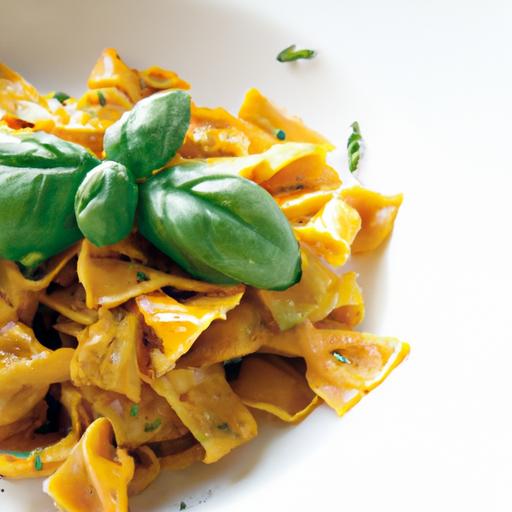

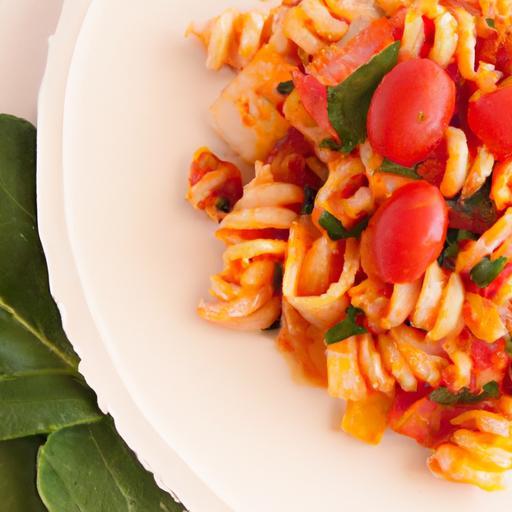
In a world where pasta often steals the spotlight as a beloved comfort food, those with celiac disease have long faced the challenge of missing out on its hearty embrace. But fear not-gluten-free pasta has emerged as a vibrant and tasty alternative, transforming mealtime into a joyful experience rather than a dietary compromise. From ancient grains to innovative fibers, today’s gluten-free options bring not just safety, but flavor and texture that rival their customary counterparts. Join us as we explore the exciting landscape of gluten-free pasta, where health meets indulgence, and every bite is a celebration of celiac-amiable dining.
Understanding Celiac Disease and the Importance of Gluten-Free Pasta
Gluten-Free Pasta is a vital culinary discovery for those living with celiac disease, an autoimmune disorder triggered by gluten ingestion. For anyone navigating this health journey, understanding how gluten affects the body is the first step towards embracing delicious, safe pasta alternatives that do not compromise on flavor or texture.Traditional wheat-based pasta contains gluten proteins which cause intestinal damage and severe discomfort for celiac patients, making gluten-free pasta not just a choice but a necessity for vibrant health.
By choosing gluten-free pasta thoughtfully, you nourish yoru body while indulging in textures and tastes that rival conventional pasta. This awareness transforms your meals into genuinely joyful experiences, free from worry and full of nourishment.
Exploring a Variety of Gluten-Free Grains for Flavorful Pasta Choices
Diverse grains are the foundation of gluten-free pasta’s flavor and texture profiles. Beyond the usual rice flour, innovative options like quinoa, millet, teff, and chickpea flour have emerged, each bringing unique, rich flavors and nutritional benefits.
Quinoa pasta offers a subtle nuttiness while teff adds an earthy undertone paired with a lovely al dente bite. Chickpea-based pasta dazzles with higher protein content and a creamy mouthfeel.By experimenting with these varieties, gluten-free pasta dishes evolve into exciting journeys, making each plate a new discovery rather than an accommodation.
Tips for Cooking Gluten-Free Pasta to Perfect Texture Every Time
Cooking gluten-free pasta demands subtle finesse.Start with a large pot of well-salted boiling water to let the pasta swim freely, preventing sticking. Most gluten-free pasta requires a gentle boil-usually 7-10 minutes-but always taste to ensure tenderness without mushiness.
Stir the pasta gently but consistently during the first few minutes of cooking to keep strands or shapes separate. Once al dente, drain quickly and toss promptly with your sauce to avoid clumping. For even better results, reserve a cup of the starchy cooking water to loosen sauces and help them adhere to the pasta flawlessly.
Top Recommended gluten-Free Pasta Brands for Health and Taste
Choosing a trusted gluten-free pasta brand is essential for celiac health and culinary satisfaction. Leading options blend quality with wholesome ingredients:
- Barilla Gluten-Free: Made primarily from corn and rice, this brand offers familiar textures and consistent cooking results.
- Jovial: Featuring brown rice and ancient grains, Jovial delivers a slightly nutty flavor with hearty texture.
- Banza: Crafted from chickpeas, Banza’s pasta packs a protein punch and a pleasant creamy bite, ideal for nutrient-dense meals.
- Tinkyada: From premium brown rice, tinkyada is beloved for its resilient pasta that holds shape well in diverse recipes.
For up-to-date reviews and user experiences, visiting Celiac Disease Foundation’s Pasta Guide is an excellent external reference to make informed selections.
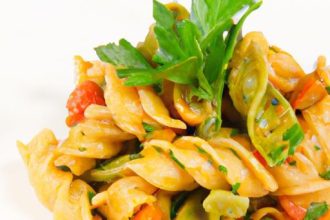
Gluten-Free Pasta: Preparing and Cooking with Confidence
Prep and Cook Time
Prep: 5 minutes | Cook: 8-10 minutes | Total: 15 minutes
Yield
serves 4 generously
Difficulty Level
Easy
Ingredients
- 12 oz gluten-free pasta of your choice (quinoa, chickpea, or brown rice blend recommended)
- 4 tbsp extra-virgin olive oil
- 3 cloves garlic, finely minced
- 1 cup cherry tomatoes, halved
- 1/2 cup fresh basil leaves, chopped
- Salt, to taste
- Freshly cracked black pepper, to taste
- 1/4 cup freshly grated Parmesan or Pecorino cheese (optional)
- 1/4 cup reserved pasta water
Instructions
- Bring a large pot of salted water to a rolling boil (at least 4 quarts for 12 oz pasta) to ensure even cooking and prevent sticking.
- Add the gluten-free pasta gently and stir immediately to separate strands or shapes. Maintain a steady boil and stir occasionally for the first 3 minutes.
- Cook the pasta for 8-10 minutes, tasting after 7 minutes to test for al dente texture-it should be tender but offer a slight bite.
- While pasta cooks, heat olive oil in a large skillet over medium heat. Add minced garlic and sauté until fragrant and golden,about 1-2 minutes,stirring frequently.
- Add cherry tomatoes to the skillet and cook until they soften and begin to release juice, about 4 minutes, stirring gently.
- Drain the pasta quickly, reserving 1/4 cup of the cooking water, then add the pasta directly to the skillet with tomatoes and garlic.
- Toss pasta and sauce over medium heat, adding reserved pasta water a little at a time to bind and create a light, silky sauce coating the noodles.
- Season with salt and freshly cracked black pepper to taste, then fold in fresh basil just before serving to preserve the bright herbal aroma.
- Serve immediately,garnished with freshly grated cheese if desired.
Chef’s Notes & Tips for Success
- Choose your grain wisely: For creamier texture, chickpea or lentil pasta adds protein and subtle flavor, while brown rice works best for a traditional bite.
- Avoid overcooking: Gluten-free pasta tends to become mushy if left too long; al dente is key for ideal texture.
- Store extras properly: Refrigerate cooked gluten-free pasta with a drizzle of olive oil in an airtight container for up to 3 days; reheat gently in a skillet with a splash of water to refresh texture.
- Make-ahead sauce: Garlic and tomato mixtures can be prepared in advance and warmed before tossing with pasta to speed up meal prep.
- Flavor boosts: Add a handful of toasted pine nuts or a sprinkle of chili flakes for added depth and heat.
Serving Suggestions
This gluten-free pasta shines paired with a simple green salad dressed in lemon vinaigrette or alongside steamed seasonal vegetables like asparagus or zucchini ribbons. Garnish with fresh basil sprigs and a bright drizzle of good quality olive oil to elevate the dish visually and flavor-wise. For a heartier meal,pair with roasted chicken or grilled wild-caught salmon,keeping the meal balanced and vibrant.

| Nutrient | Per Serving |
|---|---|
| Calories | 320 kcal |
| Protein | 12 g |
| Carbohydrates | 52 g |
| fat | 7 g |
For more inspiration on gluten-free cooking, check out our detailed Gluten-Free Baking Tips to expand your culinary repertoire with confidence.
Q&A
Q&A: Gluten-Free Pasta – Delicious Options for Celiac Health
Q1: What makes gluten-free pasta a safe choice for people with celiac disease?
A1: Gluten-free pasta is crafted from ingredients that don’t contain gluten – the protein found in wheat, barley, and rye that triggers harmful immune responses in individuals with celiac disease. By using alternative flours like rice, corn, quinoa, or legumes, these pastas allow those with celiac to enjoy their favorite dishes without risking intestinal damage or discomfort.
Q2: Are gluten-free pastas as tasty and satisfying as traditional wheat pasta?
A2: Absolutely! Modern gluten-free pastas have come a long way in texture and flavor, often offering a nutty or subtly earthy taste that can enhance dishes. Whether made from chickpeas,lentils,or brown rice,these options provide a delicious and hearty base that pairs beautifully with a variety of sauces,herbs,and vegetables.
Q3: What are some popular gluten-free pasta ingredients I should look for?
A3: some popular gluten-free pasta bases include rice, corn, quinoa, chickpeas, lentils, and even black beans. Each brings its own unique flavor and nutritional profile, like added protein or fiber, making meal time not only safe but also nourishing and exciting.
Q4: How do I cook gluten-free pasta to get the best results?
A4: Cooking gluten-free pasta is a bit like a dance – it requires a little attention and care. Start with a generous amount of boiling water, add salt, and stir gently to prevent sticking.Since cooking times vary by type, follow package instructions closely to avoid mushiness. Draining promptly and tossing with a bit of olive oil can keep noodles perfectly separated and ready for your favorite sauce.
Q5: Can gluten-free pasta be used in all traditional pasta recipes?
A5: Yes! Gluten-free pasta can substitute traditional pasta in almost any recipe, from hearty tomato-based sauces to light, fresh pesto dishes. Just be mindful of the texture differences, as some gluten-free pastas hold up better to baking or heavy sauces than others. Experimenting with different shapes-like fusilli, penne, or spaghetti-can also elevate your gluten-free pasta experience.
Q6: What are some creative ways to enjoy gluten-free pasta beyond classic dishes?
A6: Think beyond spaghetti night! Gluten-free pasta can star in cold pasta salads with crisp veggies and zesty dressings, or be transformed into comforting casseroles layered with cheese and roasted veggies. It also lends itself well to stir-fries, spring rolls, or even soups, lending its satisfying bite without the gluten worry.
Q7: Where can I find the best quality gluten-free pasta?
A7: Health food stores, many supermarkets, and online retailers offer an expanding selection of gluten-free pasta brands. Look for products certified gluten-free to ensure safety. Exploring local markets can also reveal artisanal options made from unique grains or legumes to spice up your pantry.
Q8: Is gluten-free pasta healthier than regular pasta?
A8: Health depends on more than just gluten content. many gluten-free pastas boast higher protein and fiber than traditional pasta, especially those made from legumes like chickpeas or lentils. Though, some rice or corn-based options might potentially be lighter but lower in nutrients. Pairing gluten-free pasta with colorful vegetables, lean proteins, and wholesome sauces makes for the most nourishing and satisfying meals.
By embracing these tasty gluten-free options, those with celiac disease can enjoy pasta dishes full of flavor, texture, and comfort – all without compromising their health. Bon appétit,gluten-free style!
The Way Forward
Embracing a gluten-free lifestyle doesn’t mean saying goodbye to the comfort and joy of pasta. With an ever-growing array of delicious gluten-free options-from hearty lentil spirals to tender rice-based ribbons-those with celiac disease can savor every bite without compromise. As awareness and innovation continue to flourish, the world of gluten-free pasta invites you to explore new textures, flavors, and culinary adventures. So next time you twirl that fork, remember: a vibrant, satisfying pasta experience is well within reach, proving that health and taste can happily coexist on your plate.