


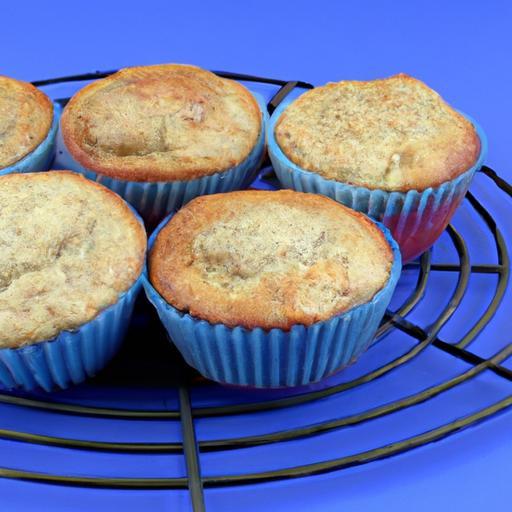
In a world where dietary needs and flavor cravings often clash, keto gluten-free baking offers the perfect harmony. Combining low-carb living with gluten-free freedom, it lets you enjoy indulgent treats without compromise. In this article, discover recipes that deliver rich flavor, ideal texture, and nourishing benefits—proving healthy baking can truly be delicious.
Keto gluten-free baking offers a thrilling culinary adventure where you masterfully blend texture and flavor while adhering to low-carb, grain-free guidelines.Unlocking the secrets to perfect keto gluten-free treats means embracing option flours that deliver moistness and tenderness without the traditional gluten-based structure-and discovering creative sweetening options that elevate every bite with naturally delightful sweetness.
Prep and Cook Time
- Readiness: 15 minutes
- Cooking/Baking: 25-30 minutes (depending on recipe)
- Total Time: 40-45 minutes
Yield
Yields approximately 12 servings (depending on the type of baked good).
Difficulty Level
Medium – Perfect for bakers ready to experiment with keto gluten-free ingredients while creating impressively tender and flavorful results.
Ingredients
- 1 cup almond flour (finely ground, fresh for best flavor)
- ½ cup coconut flour (unsweetened, sifted)
- ¼ cup ground flaxseed (for added moisture and binding)
- 1 tsp baking powder (gluten-free)
- ½ tsp xanthan gum (improves texture and elasticity)
- ¼ cup erythritol (or preferred keto sweetener)
- 3 large eggs (room temperature)
- ⅓ cup melted coconut oil (for richness and moisture)
- 1 tsp vanilla extract
- Pinch of sea salt
Instructions
- Preheat your oven to 350°F (175°C). Line your baking pan with parchment paper or grease it lightly with coconut oil to prevent sticking.
- Combine dry ingredients: In a large bowl, whisk together almond flour, coconut flour, ground flaxseed, baking powder, xanthan gum, erythritol, and salt. This mix creates a strong base that balances moisture and crumb.
- Mix wet ingredients: In a separate bowl, beat the eggs thoroughly. Add melted coconut oil and vanilla extract, mixing well to blend flavors evenly.
- Integrate wet and dry: Slowly fold the wet ingredients into the dry mixture. Stir until you get a thick, slightly sticky batter. Coconut flour absorbs moisture aggressively; if the batter feels too stiff, gently add a tablespoon of water or unsweetened almond milk.
- Transfer to baking pan: Scoop batter into your prepared pan and smooth the top with a spatula.Lightly tap to release any air bubbles for an even crumb.
- Bake for 25-30 minutes or until a toothpick inserted in the center comes out clean and the edges turn golden brown but not overly crisp.
- Cool wholly: Let the baked good cool in the pan for 10 minutes,then transfer to a wire rack. Cooling allows the texture to set perfectly, resulting in a moist, tender bite.
Chef’s Notes: Tips for Success
- Flour selection: Almond flour provides a buttery texture while coconut flour adds structure and fiber. Balancing them is key to avoid dryness or crumbly results common in many keto gluten-free baking attempts.
- Sweetener swaps: Erythritol is neutral and granular,but monk fruit blends add a fruity undertone that complements vanilla or citrus zest beautifully. Avoid liquid sweeteners alone as they can upset batter consistency.
- Binding agents: Xanthan gum boosts elasticity and mimics gluten’s hold.If unavailable, try 1½ tsp psyllium husk powder, but reduce liquids slightly.
- Flavor boosters: add a touch of cinnamon,almond extract,or citrus zest for aromatic layers within your treats.
- Make-ahead: Store baked items airtight at room temperature for up to 3 days or freeze for longer freshness, thawing gently to maintain texture.
Serving Suggestions
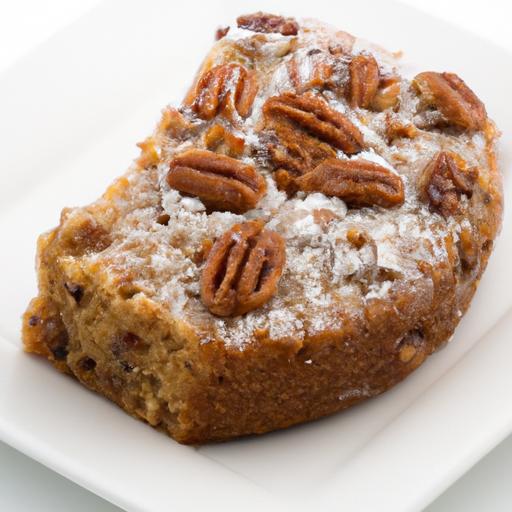
Present your keto gluten-free baked wonders on rustic wooden boards or pastel ceramic plates. Top with a dollop of unsweetened whipped coconut cream and scatter fresh berries or chopped toasted nuts for contrast.Drizzle a light sugar-free caramel or dark keto-friendly chocolate sauce to enhance richness. Fresh mint sprigs or edible flowers can add a touch of elegance and fresh color.

| Nutritional Information (per serving) |
Calories | Protein (g) | Carbs (g) | Fat (g) |
|---|---|---|---|---|
| Moist Keto Almond-Coconut Cake | 180 | 6 | 3 | 16 |
for more inspiration on low-carb treats, explore our Keto Desserts collection and deepen your knowledge about gluten-free baking techniques through the Celiac Disease Foundation.
Q&A
Q&A: Keto Gluten-Free Baking: Delicious Low-Carb Treats Made Easy
Q1: What makes keto gluten-free baking different from traditional baking?
A: Keto gluten-free baking excludes all grains and sugars that contain gluten and net carbs, focusing instead on low-carb, grain-free flours like almond, coconut, and flaxseed meal. This combination not only keeps treats keto-friendly but also eliminates gluten, making baked goods suitable for those with gluten sensitivities or celiac disease. The challenge-and charm-lies in balancing moisture, texture, and flavor without wheat flour’s familiar gluten network.
Q2: Can you use regular baking powders and leaveners in keto gluten-free recipes?
A: Absolutely! Moast standard baking powders and baking soda work perfectly in keto gluten-free baking. Though, as almond and coconut flours absorb liquids differently, you might notice variations in rise and crumb texture. Using fresh baking powder and a pinch of cream of tartar can help achieve light, fluffy results.
Q3: what are the best flours for keto gluten-free baking?
A: The stars of the keto gluten-free kitchen are almond flour and coconut flour. Almond flour offers a moist, tender crumb and mild, nutty flavor, while coconut flour is highly absorbent and dense-excellent for adding structure but requiring extra liquid or eggs. Other favorites include flaxseed meal and psyllium husk powder, which add fiber and help mimic the binding qualities of gluten.
Q4: How do I add sweetness without traditional sugar?
A: Instead of sugar, keto baking calls for natural low-carb sweeteners like erythritol, monk fruit, or stevia. These sweeteners provide the sweet kick without spiking blood sugar, allowing you to indulge in treats that align with your ketogenic lifestyle. For a more natural flavor,you can also experiment with a touch of vanilla extract or cinnamon to enhance sweetness.
Q5: Are eggs important in keto gluten-free baking?
A: Eggs are often a key player because they provide structure, moisture, and leavening, helping to bind ingredients when gluten is absent. For vegan or egg-free alternatives,flax eggs or chia eggs (ground seeds mixed with water) can work,though the texture might be a bit different-sometimes denser or slightly chewier.
Q6: How do I prevent my keto gluten-free baked goods from drying out?
A: Since keto flours tend to absorb more liquid, moisture balance is crucial. using ingredients like sour cream,cream cheese,unsweetened applesauce,or even a splash of coconut milk can keep treats tender and moist. Also, avoid overbaking by checking your goods a few minutes before the suggested bake time.
Q7: Can I make classic desserts keto and gluten-free?
A: Absolutely! From brownies and cookies to muffins and cakes, many favorites can be reinvented with keto-friendly, gluten-free ingredients. by swapping flours and sweeteners, you can enjoy rich chocolate brownies or spiced pumpkin muffins without straying from your low-carb lifestyle.Q8: Are there any common pitfalls to watch out for when baking keto gluten-free?
A: One common pitfall is relying too heavily on a single flour type, which can result in a less desirable texture. Another is underestimating how much liquid the flours absorb, leading to dry, crumbly treats. Experimenting with combinations and ratios-and keeping an eye on baking times-can help you find the perfect balance.
Q9: What kitchen tools are helpful for keto gluten-free bakers?
A: A few trusty tools can elevate your baking game: a food scale for precise measurements, silicone spatulas for folding in delicate batters, and parchment paper to prevent sticking. A hand mixer or stand mixer makes it easier to blend ingredients smoothly,especially when working with dense flours.Q10: Where can I find reliable keto gluten-free recipes to get started?
A: There are many wonderful blogs, cookbooks, and recipe websites devoted to keto gluten-free baking. Look for sources that focus on ingredient quality, detailed instructions, and troubleshooting tips. Starting with simple recipes like almond flour cookies or coconut flour pancakes helps build confidence and skill.
Enjoy your journey into the world of keto gluten-free baking-where creativity and health blend into every delicious bite!
Closing Remarks
In the world of keto gluten-free baking, delicious low-carb treats are no longer a distant dream but a tasty reality waiting to be savored. Armed with the right ingredients, simple techniques, and a sprinkle of creativity, you can transform traditional recipes into wholesome delights that support your health goals without sacrificing flavor. Whether you’re satisfying a sweet tooth or whipping up a cozy snack, these recipes prove that keto and gluten-free can go hand in hand-making every bite a celebration of guilt-free indulgence.So, roll up your sleeves, preheat that oven, and let your kitchen become a haven for nourishing, mouthwatering creations that delight both the palate and the body. Happy baking!