

In a world where dietary needs adn flavor cravings ofen clash, the quest for the perfect loaf can feel like searching for a mythical treasure. Enter the realm of deliciously light, yeast-free gluten-free bread-a marvel that satisfies both the palate and the body without compromise. Whether you’re navigating gluten sensitivities, avoiding yeast for health reasons, or simply seeking a bread that feels as light as a cloud, this guide unwraps the secrets behind crafting or choosing breads that rise to the occasion without traditional leavening. Journey with us through textures, ingredients, and techniques that transform humble mixes into slices of pure delight-proof that indulgence and wellness can indeed share the same slice.
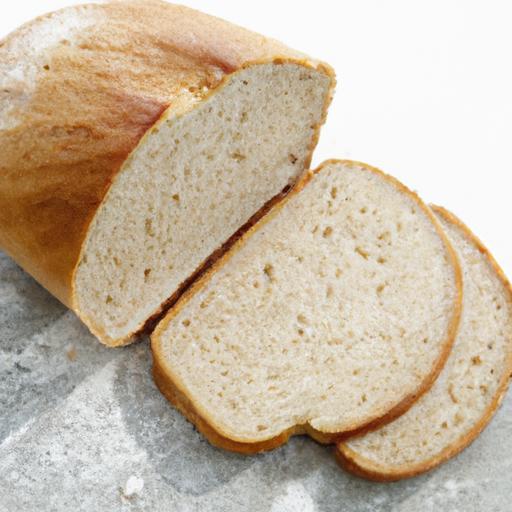
Deliciously Light gluten-free breads prove that going yeast-free doesn’t mean sacrificing fluffy texture or moist crumb. This style of baking is an inspiring journey into the art of balance-leveraging the perfect combination of flours and innovative ingredients to create light,tender loaves that feel like a warm hug straight from yoru oven. Whether you’re new to gluten-free baking or seeking to elevate your repertoire, mastering these essentials will transform the way you approach bread-making without yeast.
Prep and Cook Time
- Preparation: 15 minutes
- Resting/Setting Time: 40 minutes
- baking: 50 minutes
- Total: 1 hour 45 minutes
Yield
One 9-inch loaf, serving 8 generous slices
Difficulty Level
Easy to Medium – Perfect for bakers ready to explore gluten-free yeast-free recipes with confidence
Ingredients
- 1 1/2 cups gluten-free oat flour, finely ground
- 1 cup brown rice flour
- 1/2 cup potato starch (not potato flour)
- 2 tsp baking powder (gluten-free)
- 1 tsp baking soda
- 1/2 tsp xanthan gum
- 1/2 tsp fine sea salt
- 3 large eggs, room temperature
- 1 1/4 cups unsweetened almond milk (or any dairy-free milk)
- 1/4 cup extra virgin olive oil or melted coconut oil
- 2 tbsp honey or maple syrup
- 1 tbsp apple cider vinegar
Instructions
- Preheat your oven to 350°F (175°C). Lightly grease a 9-inch loaf pan and line it with parchment paper for easy removal.
- In a large bowl, combine all dry ingredients: oat flour, brown rice flour, potato starch, baking powder, baking soda, xanthan gum, and salt. Whisk thoroughly to ensure even distribution and aeration.
- In a separate bowl, whisk eggs gently with almond milk, olive oil, honey, and apple cider vinegar until the mixture is smooth and slightly frothy.
- Pour the wet ingredients into the dry, folding carefully with a spatula. Stir just until all powders are moistened-avoid overmixing to keep your bread tender.
- Transfer the batter to your prepared loaf pan, smoothing the top with a spatula.This batter will be moist but thick, like a dense cake batter.
- Allow the batter to rest at room temperature for 15 minutes; this hydration period helps activate the baking soda and powder for maximum rise.
- Bake in the middle rack for 50 minutes. Start checking at 45 minutes by inserting a toothpick into the center; it should come out clean or with a few moist crumbs.
- Cool the bread in the pan for 10 minutes before gently lifting it out using the parchment. Transfer to a wire rack and cool completely before slicing for best texture.
Tips for Success
- For an even lighter crumb, sift your flours before measuring to avoid clumping and aid aeration.
- If you prefer a dairy-free or nut-free version, substitute almond milk with oat or coconut milk, maintaining the same liquid measurement for consistency.
- Don’t skip resting the batter; this is critical for the chemical leaveners to work effectively in yeast-free loaves.
- Storage tip: wrap cooled bread tightly in plastic wrap and store at room temperature for up to two days or freeze slices for up to 1 month.
- For added texture, gently fold in 1/3 cup sunflower seeds or pumpkin seeds right before baking.
Serving Suggestions
This bread’s mild, naturally sweet flavor pairs beautifully with vibrant avocado slices and a sprinkle of crushed red pepper flakes for a zesty breakfast. Alternatively, toast thick slices and top with creamy almond butter and fresh berries for an inviting afternoon snack. Garnish with fresh herbs like rosemary or thyme when serving savory spreads to intensify the experience.

| Nutrient | Per Serving (1 Slice) |
|---|---|
| Calories | 145 |
| Protein | 4.2g |
| Carbohydrates | 23g |
| Fat | 4.8g |
To deepen your understanding of yeast-free gluten-free bread techniques, explore community favorites on Gluten Free on a Shoestring. For a comprehensive guide on gluten-free flours,backing your kitchen shelves with data from The Celiac disease Foundation is invaluable.
Excited to try variations? Incorporate spices like cinnamon or herbs such as oregano directly into the batter for a flavor twist without extra effort.
Q&A
Q: What makes yeast-free gluten-free bread “deliciously light”?
A: Yeast-free gluten-free bread achieves its lightness through clever ingredient combinations and alternative leavening agents like baking soda, baking powder, or whipped aquafaba. These help the dough rise gently without the density often associated with yeast or gluten, resulting in a tender crumb and airy texture that’s surprisingly soft and satisfying.
Q: How does the absence of yeast affect the flavor of gluten-free bread?
A: Without yeast, the bread doesn’t develop the classic tangy, fermented notes typical of traditional yeast breads. Instead, its flavor tends to be milder and more neutral, allowing the natural nuttiness of gluten-free flours (like almond, rice, or buckwheat) and any added herbs or seeds to shine through, making each bite a fresh taste experience.
Q: What are some key ingredients to substitute yeast in gluten-free bread recipes?
A: Popular yeast-free leavening choices include baking powder, baking soda combined with an acid like lemon juice or apple cider vinegar, and whipped egg whites or aquafaba (the liquid from cooked chickpeas). These create bubbles that help the bread rise and keep it light and fluffy.
Q: Are there any special techniques to improve the texture of yeast-free gluten-free bread?
A: Absolutely! folding in whipped egg whites or aquafaba gently can add volume and airiness. also, allowing the batter to rest briefly before baking helps hydrate flours fully, contributing to a better crumb. Using a combination of flours and starches can mimic the stretch and bounce missing without gluten.
Q: Can yeast-free gluten-free bread be made without eggs?
A: Yes! Aquafaba is a fantastic vegan-pleasant alternative to eggs. whipped aquafaba mimics the structure eggs provide, helping to trap air and improve the bread’s rise and texture. Combining it with other leavening agents ensures your bread remains light and fluffy.
Q: How should yeast-free gluten-free bread be stored to maintain freshness?
A: Because these breads often have higher moisture content, they’re best stored tightly wrapped at room temperature and enjoyed within 2-3 days. For longer storage, freeze slices individually wrapped to preserve texture and prevent drying out.
Q: What are some tasty add-ins to elevate yeast-free gluten-free bread?
A: Think beyond traditional: toasted seeds like pumpkin or sunflower,chopped herbs such as rosemary or thyme,olives,or even sundried tomatoes can bring bursts of flavor and texture. These mix-ins blend seamlessly with the bread’s mild base to create a more exciting slice.
Q: Is yeast-free gluten-free bread suitable for people with gluten intolerance and yeast sensitivities?
A: Yes! This style of bread is a perfect option for those avoiding both gluten and yeast due to dietary restrictions or sensitivities. It offers a fresh, wholesome alternative without sacrificing taste or texture.
Q: Can I use yeast-free gluten-free bread for sandwiches and toast?
A: Definitely! Its light crumb makes it ideal for sandwiches, while its dairy- and yeast-free nature gives it a clean flavor that crisps up beautifully when toasted, making it a versatile choice for breakfast or any time of day.
Q: What is the trick to achieving a crispy crust on yeast-free gluten-free bread?
A: A hot oven and a well-greased or parchment-lined baking pan help create a crisp exterior.Spritzing the dough lightly with water before baking can add a bit of moisture to encourage crust formation. Some bakers also use a sprinkle of coarse salt or seeds on top for extra crunch and flavor.
To Conclude
As you embark on your journey to master yeast-free, gluten-free bread, remember that every loaf tells a story of creativity and care. With the right ingredients and a sprinkle of patience, you can redefine what bread means to you-deliciously light, wonderfully wholesome, and entirely your own. Whether it’s a crisp morning toast or a soft sandwich base, these yeast-free options open a world of flavor without the fuss. so, roll up your sleeves, embrace the joy of baking, and let your kitchen become a haven where gluten-free delights rise to meet every craving, one satisfying bite at a time.