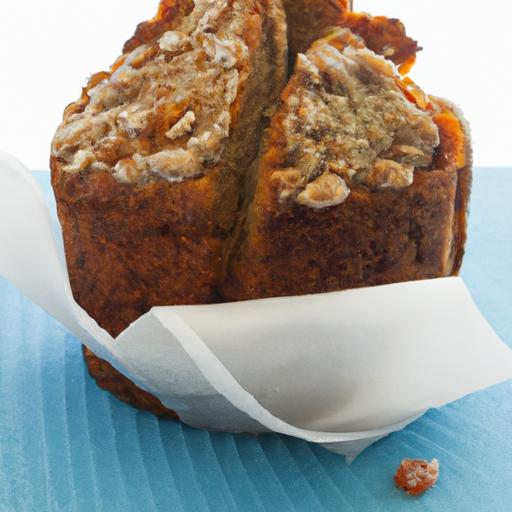



In teh world of keto baking, achieving that perfect fluffy texture without piling on carbs can feel like a magical quest.Traditional flours, with their high-carb content, frequently enough stand as the biggest roadblocks to low-carb indulgence-turning dreams of soft, pillowy cakes and breads into dense, crumbly disappointments. But fear not, keto enthusiasts and culinary adventurers! We’re about to unveil the best keto-amiable baking flours that not only keep your carb count in check but also unlock a world of light, airy, and flavorful creations. Get ready to revolutionize your low-carb kitchen with these game-changing flours that prove indulgence and nutrition can rise hand in hand.
Choosing the perfect keto flour is an art and science combined, especially when aiming for light and fluffy bakes that defy the dense, heavy stereotype frequently enough linked to low-carb treats. The secret lies in unlocking the science behind low-carb flours and texture, allowing your baked goods to rise beautifully and maintain moisture without sacrificing the delicious crumb structure we all crave. Whether you’re crafting muffins, breads, or delicate cakes, understanding how keto-friendly flours behave unlocks endless creative baking possibilities.
Prep and Cook Time
- Readiness: 15 minutes
- Cooking/Baking: 25-40 minutes (depending on recipe)
- Total Time: Approximately 40-55 minutes
Yield
Yields 8-10 servings, perfect for sharing or meal prepping for the week.
Difficulty Level
Medium: Ideal for both enthusiastic home bakers and those familiar with keto adaptations.
Ingredients
- 1 cup almond flour, finely ground and blanched
- ½ cup coconut flour, sifted to remove lumps
- ¼ cup psyllium husk powder
- 1 tsp baking powder, gluten-free
- ½ tsp baking soda
- 2 large eggs, room temperature
- ⅓ cup unsweetened almond milk
- ¼ cup melted coconut oil or avocado oil
- 1 tbsp apple cider vinegar
- Pinch of sea salt
- Natural keto-friendly sweetener, to taste (optional)
Instructions
- Preheat your oven to 350°F (175°C). Line a baking pan or muffin tin with parchment paper for easy release and even baking.
- Whisk together the almond flour, coconut flour, psyllium husk powder, baking powder, baking soda, and salt in a large bowl. This dry blend is paramount for establishing a delicate structure and rise.
- In a separate bowl, beat the eggs with almond milk, melted oil, and apple cider vinegar until fully combined and slightly frothy. The vinegar reacts with the baking soda to help your bakes puff up beautifully.
- Incorporate the wet ingredients into the dry mix, folding gently but thoroughly to avoid overmixing, which can cause a dense crumb.
- If adding sweetener, fold it in now, adjusting sweetness to preference.
- Let the batter rest for 5 minutes. The psyllium husk absorbs moisture, improving the texture and binding your batter into a light, pliable consistency.
- Transfer the batter to your prepared pan or muffin tin, smoothing the top with a spatula for even rise.
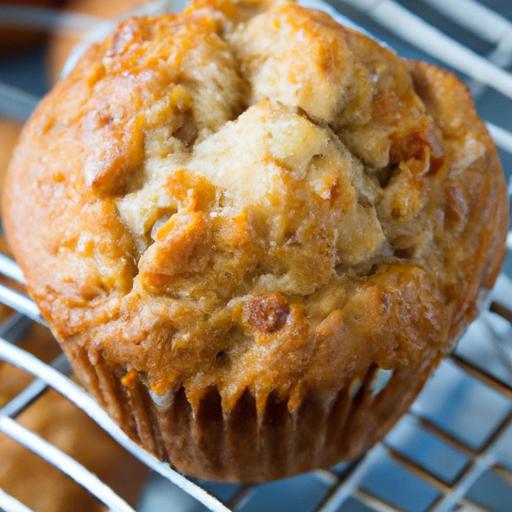
- Bake for 25-40 minutes, depending on size-check doneness with a toothpick inserted in the center; it should come out clean or with a few moist crumbs.
- Allow your bake to cool entirely on a wire rack before slicing or serving. Cooling ensures the crumb sets perfectly without crumbling.
Tips for Combining Keto Flours to Maximize flavor and Softness
Blending keto flours makes all the difference. Almond flour provides a rich,buttery base full of moisture and natural oils,while coconut flour delivers incredible absorbency that firms up the structure without heaviness. Psyllium husk serves as the magic binder,mimicking gluten’s elasticity and trapping air bubbles for lightness.
Experiment with ratios: increasing almond flour creates softer, moister results; adding more coconut flour tightens texture and boosts fiber, perfect for sturdier bakes. For richer flavor,try toasting almond flour lightly before baking-it enhances nuttiness and deepens aroma.
Chef’s Notes
- Substitutions: If psyllium husk powder is unavailable, ground chia seeds can be a functional alternative though with a slightly different texture.
- Moisture Management: Coconut flour is highly absorbent; if your batter feels too thick, increase almond milk gradually until spreadable but not runny.
- Make-Ahead: Prepare the dry mix in advance and store in an airtight container. Freshly add the wet ingredients before baking for a quick prep.
- Flavor Variations: Add a teaspoon of vanilla or almond extract, or fold in citrus zest to brighten the flavor spectrum.
- Troubleshooting: If your bakes appear dense, check your leavening agents for freshness and ensure eggs are at room temperature for better aeration.
Serving Suggestions
For an inviting presentation, slice your bake and top with fresh berries, a dollop of whipped coconut cream, or a smear of sugar-free nut butter. Sprinkle toasted coconut flakes or chopped toasted nuts on top for texture contrast and visual appeal. Serve alongside a warm cup of herbal tea or black coffee to enhance the comforting experience of your fluffy and low-carb creation.

| Nutrient | Per Serving (approx.) |
|---|---|
| Calories | 180 |
| Protein | 7g |
| Net Carbs | 3g |
| Fat | 15g |
For more insights on keto baking techniques and flour alternatives, check our detailed Ultimate Keto Baking Guide. To deepen your understanding of the chemistry behind these flours, visit Science Daily’s article on low-carb baking flour properties.
Q&A
Q&A: Fluffy & Low-Carb – Best Keto-Friendly Baking Flours Revealed
Q1: Why is choosing the right flour important for keto baking?
A1: Traditional flours like wheat or all-purpose flour are high in carbs and can quickly knock you out of ketosis. Choosing the right keto-friendly flour helps keep your carb intake low while still delivering that fluffy, tender texture we all crave in baked goods.it’s the secret to enjoying bread, cakes, and cookies without the carb guilt!
Q2: What makes almond flour a keto baking superstar?
A2: Almond flour is low in carbs, rich in healthy fats and protein, and naturally moist. Its fine texture creates soft, tender baked goods like muffins, pancakes, and crusts without the heaviness common in some low-carb flours.
Q3: How does coconut flour differ from almond flour in keto baking?
A3: Coconut flour is extremely absorbent and fiber-rich, so a little goes a long way. It requires more eggs or liquid to prevent dryness and works best in cakes and breads, adding a light texture and subtle coconut flavor.
Q4: Are there any seed-based flours suitable for keto baking?
A4: Absolutely! Flours made from flaxseeds or sunflower seeds are fantastic low-carb options. Flaxseed flour adds a nutty flavor and helps bind ingredients, making it great for bread and crackers. Sunflower seed flour provides a mild taste and can substitute almond flour if you have nut allergies, keeping your baking keto-friendly and fluffy.
Q5: Can you mix different keto flours to improve texture?
A5: Yes! Combining flours like almond and coconut or flaxseed and sunflower seed flour can balance moisture, texture, and flavor. Cinnamon rolls or fluffy cakes benefit from such blends, where the richness of almond flour pairs with the absorbency of coconut flour, creating that perfect low-carb bite.
Q6: How do keto-friendly flours affect baking time and measurements?
A6: As keto flours behave differently than traditional wheat flours, recipes frequently enough require adjusted ratios and baking times. Coconut flour’s absorbency means you’ll use smaller amounts and add more liquid, while almond flour can frequently enough be swapped more evenly but may brown faster. It’s a bit of kitchen alchemy-trial, error, and delicious discovery!
Q7: Are there any special tips to achieve fluffy keto bread or cakes?
A7: Yes! Use proper leavening agents like baking powder or baking soda, and don’t skip the eggs—they provide structure and lift. Sift your flours and gently fold the batter to trap air, which helps baked goods rise and stay tender. Adding moisture from ingredients like Greek yogurt, cream cheese, or unsweetened nut milk also keeps keto breads and cakes soft and fluffy.
Q8: Where can I find keto-friendly flours?
A8: Almond, coconut, flaxseed, and sunflower seed flours are easy to find at health food stores, many supermarkets, and online. For the best texture and flavor, choose finely ground, organic options when possible. Store them in airtight containers in a cool place or the fridge to keep them fresh longer.
This Q&A unpacks the secrets behind choosing the best keto-friendly flours so you can whip up irresistibly fluffy, low-carb baked goods that nourish your body and delight your taste buds!
The Way Forward
As you embark on your keto baking adventures, remember that choosing the right flour is the secret ingredient to keeping your treats both fluffy and low-carb. From the nutty richness of almond flour to the mild versatility of coconut flour, these keto-friendly options open a world of delicious possibilities without derailing your macros. So, whether you’re whipping up cookies, breads, or cakes, these flours have you covered-proving that ketogenic baking can be just as satisfying as the traditional kind, without sacrificing texture or taste. Happy baking, and may your kitchen always be filled with the irresistible aroma of low-carb indulgence!