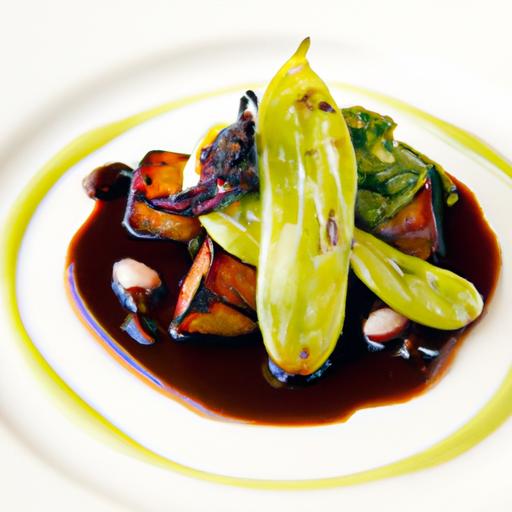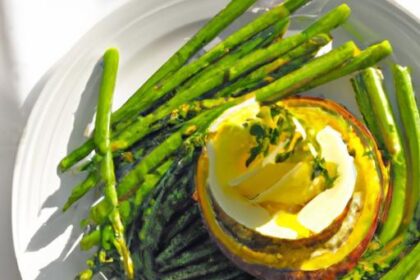



Beneath the earthy surface of soil and shadow lies a humble treasure trove-the root vegetable. When kissed by the dry, crackling heat of the oven, these subterranean gems undergo a magical transformation, emerging as golden morsels bursting with complex flavors and comforting warmth.”Golden Goodness: The Art and Science of Roasted Roots” delves into this alchemy of caramelization and texture, unraveling how the simple act of roasting elevates ordinary roots from mere ingredients to culinary masterpieces. Join us as we explore the secrets behind their golden hue, the chemistry that ignites their sweetness, and the artistry that brings out their deepest, most soulful essence.
Understanding the Chemistry Behind Perfectly Caramelized Roots
Golden Goodness breathes new life into humble root vegetables by celebrating the beautiful transformation that occurs when heat meets nature’s sweetest, earthiest gifts. As roots roast, complex chemical reactions like the Maillard reaction and caramelization unfold, turning simple starches and sugars into deep, nutty, and richly layered flavors. This interplay creates that coveted crisp exterior and tender, melt-in-your-mouth interior-true magic at work in your oven.
Root vegetables such as carrots, parsnips, beets, and sweet potatoes are naturally rich in sugars. When subjected to high heat, these sugars break down and recombine, forming aromatic compounds that evoke browned butter, toasted nuts, and a subtle sweetness. At the same time, amino acids interact with reducing sugars in the Maillard reaction, enhancing savory depth and complexity. Mastering this chemistry unlocks the full potential of roasted roots, where texture and flavor dance in golden harmony.
Selecting the Best Roots for Roasting and Flavor Enhancement
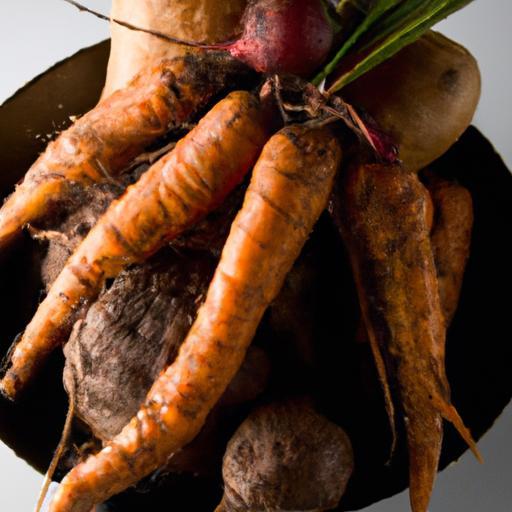
Choosing the right roots is foundational to achieving the epitome of golden goodness. Opt for fresh, firm roots with smooth skins and vibrant colors-signs of optimal flavor and sweetness. Carrots bring natural earthiness and a vibrant orange hue,while parsnips offer a sweet,slightly nutty undertone. Beets</b add an earthy robustness and jewel-toned vibrancy, and sweet potatoes</b provide a creamy texture with a luxurious natural sugar content.
For consistent roasting, aim for roots of similar size and shape to ensure even cooking. Smaller roots roast faster and develop crisper edges, while larger chunks yield tender hearts with caramelized exteriors.Peeling is optional depending on personal preference but removing tough skins allows spices and herbs to better infuse. rinse and dry roots thoroughly; moisture competes with the high heat roasting process and can prevent crispiness.
Mastering Temperature and Timing for Crisp Golden Textures
Temperature control is the secret weapon behind perfectly roasted roots. Baking at a steady 400°F (204°C) strikes the balance between maillard reaction and caramelization without burning. Start with a preheated oven and use a heavy baking tray to evenly distribute heat. Roasting typically takes between 30 to 45 minutes, depending on root size and cut-tossing partway through encourages uniform browning.
Timing is crucial: aim for a golden-brown exterior that crackles on the edges but remains tender inside. if roots begin to scorch early, reduce heat slightly or adjust placement within the oven. Spread roots in a single layer with enough space between pieces to avoid steaming, which inhibits crispness. For an extra layer of crunch, finish with a quick broil for 2-3 minutes, keeping a watchful eye to prevent burning.
Elevating Roasted Roots with Herb Infusions and Complementary Spices
The finishing touch to golden goodness lies in herbaceous and aromatic enhancements that amplify natural sweetness and deepen roasted flavors. Classic additions like fresh rosemary and thyme offer woody, piney notes perfect for earthy roots. Sprinkle coarsely ground black pepper and a pinch of smoked paprika to add warmth and a faint smoky hint without overpowering.
Before roasting, toss roots lightly in good-quality olive oil infused with minced garlic and fresh herbs. Alternatively, add whole sprigs tucked around the roots to slowly infuse flavors as they roast. For a more exotic twist, a dusting of ground cumin or coriander can elevate sweetness with subtle spice. Finish with a sprinkle of flaky sea salt immediately upon removal from the oven-this contrast intensifies flavors and adds a delightful texture.
Prep and Cook Time
- Planning: 15 minutes
- Roasting: 35 minutes
- Total Time: 50 minutes
Yield
Serves 4 as a vibrant side dish
Difficulty Level
Easy – Perfect for home cooks of all skill levels eager to master roasted roots
Ingredients
- 3 large carrots, peeled and cut into 1-inch chunks
- 2 medium parsnips, peeled and cut into 1-inch pieces
- 2 medium sweet potatoes, peeled and cubed
- 2 small beets, peeled and quartered
- 3 tbsp extra virgin olive oil
- 2 cloves garlic, minced
- 1 tbsp fresh rosemary, finely chopped
- 1 tbsp fresh thyme, chopped
- 1 tsp smoked paprika
- Salt and freshly ground black pepper, to taste
Instructions
- Preheat oven to 400°F (204°C). Line a heavy baking sheet with parchment paper or lightly grease.
- In a large mixing bowl, combine carrots, parsnips, sweet potatoes, and beets. Make sure roots are cut uniformly for even cooking.
- add olive oil, minced garlic, rosemary, thyme, smoked paprika, salt, and black pepper. Toss gently to coat every piece thoroughly.
- Spread vegetables out in one layer on the baking sheet, leaving space between chunks to promote crisping rather than steaming.
- Roast in the preheated oven for 20 minutes, then use a spatula to flip and turn roots to ensure even browning.
- Continue roasting for another 15 to 20 minutes or until edges are golden and crispy, and interiors are tender when pierced with a fork.
- For an extra crisp finish, broil for an additional 2 to 3 minutes-watch closely to avoid burning.
- Remove from oven, taste, and adjust seasoning if necessary. Let rest for 5 minutes before serving.
Tips for Success
- For sweeter roots, choose varieties harvested in cooler months; sugar content is naturally higher.
- Don’t overcrowd the pan-too many roots will steam rather than roast, losing crisp texture.
- Use a heavy-bottomed baking sheet or roasting pan to optimize heat distribution.
- Herbs can be added fresh before roasting or stirred in immediately after to preserve vibrant flavor.
- Make ahead: roast roots up to one day in advance, then reheat in a hot oven (425°F) to revive crisp edges.
Serving suggestions
Golden roasted roots shine best paired with a sprinkle of crumbled feta or goat cheese for creamy tang, or a drizzle of lemony tahini sauce to add a nutty, bright contrast.Garnish with fresh chopped parsley or microgreens for color and freshness. Serve alongside roasted chicken, lentil salads, or grain bowls for a complete, wholesome meal bursting with flavor and texture.

| Nutrient | Per Serving (approx.) |
|---|---|
| Calories | 180 kcal |
| Protein | 3 g |
| Carbohydrates | 35 g |
| Fat | 7 g |
For more inspiration on transforming seasonal vegetables, check out our guide to seasonal roasted vegetables. To deepen your understanding of the Maillard reaction, visit Science of Cooking, a highly trusted resource on culinary chemistry.
Q&A
Q&A: Golden Goodness – The Art and Science of Roasted Roots
Q1: What makes roasted root vegetables so irresistibly golden and flavorful?
A1: The magic lies in Maillard reaction-a complex chemical dance between amino acids and sugars when exposed to heat. This process creates that alluring golden crust and deep,savory notes that turn humble roots into caramelized treasures bursting with flavor.
Q2: Which root vegetables are the best candidates for roasting?
A2: Carrots, parsnips, sweet potatoes, beets, turnips, and rutabagas are the quintessential stars of roasted root medleys. Each brings its own unique sweetness, earthiness, and texture, making them perfect for roasting into crispy-on-the-outside, tender-on-the-inside delights.
Q3: How does preparation impact the final roasted result?
A3: Cutting roots into uniform pieces ensures even cooking and browning. Tossing them with a drizzle of oil enhances caramelization and crispiness, while adding salt early encourages moisture loss, concentrating their natural sweetness.
Q4: Can roasting influence the nutritional benefits of root vegetables?
A4: Absolutely! Roasting can increase the bioavailability of certain antioxidants and vitamins, such as beta-carotene in carrots and sweet potatoes. Plus, roasting with minimal added fats preserves their fiber and nutrient-rich profiles, making golden roots both tasty and wholesome.
Q5: What role do temperature and time play in perfecting roasted roots?
A5: High heat-typically between 400°F and 450°F (200°C to 230°C)-is essential to spark the caramelization process without drying out the veggies. Roasting time varies by size and type but generally ranges from 25 to 45 minutes,stirring halfway through to ensure even golden browning.
Q6: How can one elevate roasted root dishes beyond basic seasoning?
A6: Experimenting with fresh herbs like rosemary, thyme, or sage adds aromatic complexity. A splash of citrus juice or a sprinkle of toasted seeds can introduce brightness and texture contrast,turning a simple side into a gourmet masterpiece.
Q7: Is it possible to roast roots in advance and retain their deliciousness?
A7: Yes! Roasted roots can be prepared ahead and gently reheated without losing their charm. To revive their crispiness, a quick return to the oven or a toast in a skillet works wonders, making them perfect for busy weeknight meals or entertaining.Q8: What are some creative ways to incorporate roasted roots into meals?
A8: Beyond serving as a side, roasted roots can star in grain bowls, blended into velvety soups, folded into savory tarts, or tossed into vibrant salads. Their golden sweetness and satisfying texture lend themselves beautifully to imaginative dishes that celebrate earth’s bounty.
Q9: How does the origin or variety of roots affect roasting outcomes?
A9: Freshness and variety matter! Newly harvested roots frequently enough have higher water content,requiring slight adjustments in cooking time.Different cultivars may offer subtle flavor nuances-from nutty to floral-that can transform the character of your roasted creation.
Q10: What common pitfalls should be avoided when roasting roots?
A10: Overcrowding the pan leads to steaming rather than roasting, resulting in limp veggies rather of crisp edges.Using too little oil can prevent proper browning, while under-seasoning can leave the final dish flat.Lastly, neglecting to turn roots mid-roast can cause uneven coloration and texture.
Embrace the golden glow of roasted roots-where science meets soul in every caramelized bite.
In Retrospect
As the rich aroma of roasted roots lingers in the air, we come to appreciate not just a simple cooking method, but a timeless craft-where art meets science in a golden harmony. From the humble carrot to the earthy beet, each root reveals layers of flavor transformed by heat, chemistry, and a touch of culinary intuition. Embracing the golden goodness of roasted roots invites us to savor nature’s hidden treasures, turning everyday ingredients into a celebration of taste and texture. So next time you slide a tray of roots into the oven, remember: you’re not just cooking-you’re engaging in a tasty tradition that honors both science and soul.