


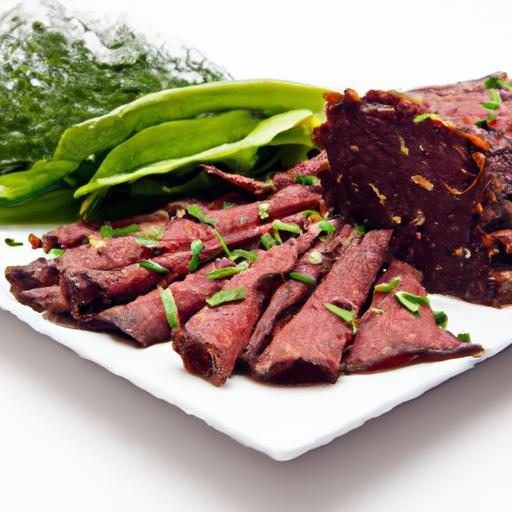
In a world where snacking meets convenience, beef jerky stands tall as the reigning champion of protein-packed treats. Its chewy texture and smoky flavor have made it a beloved companion for adventurers, gym-goers, and busy urbanites alike. but have you ever paused mid-chew to wonder what’s really hiding inside that tempting strip? Beyond the familiar taste, beef jerky carries a story-one woven from ingredients, preservation techniques, and surprising additives that frequently enough go unnoticed. Join us as we unwrap the layers of this classic snack, revealing the truth behind its flavor, nutrition, and the science that keeps it shelf-stable. Prepare to see your favorite jerky in a whole new light.
Beef Jerky Unwrapped: truly understanding what goes into your snack is the first step to making better choices and even crafting your own at home.Whether you’re eyeing a store-bought bag or pondering the art of homemade jerky, knowing how to decode nutrition labels, spot hidden sugars and preservatives, and select quality ingredients can wholly change your snacking game. Let’s dive into the flavorful world behind those savory strips and empower your next beef jerky experience.
Prep and Cook Time
- planning: 15 minutes
- Marinating: 6 to 12 hours
- Drying/Cooking: 4 to 6 hours
Yield
Approximately 8 servings (about 3 oz per serving)
Difficulty Level
Medium – ideal for adventurous snack-makers ready to master the balance of flavors with patience and precision.
Ingredients
- 2 pounds lean beef top round, trimmed and thinly sliced (freeze slightly for easier slicing)
- ½ cup low sodium soy sauce (or tamari for gluten-free option)
- 2 tablespoons Worcestershire sauce
- 1 tablespoon honey (natural sweetener to add subtle caramel notes)
- 1 teaspoon smoked paprika for a gentle smoky depth
- 1 teaspoon garlic powder
- 1 teaspoon onion powder
- ½ teaspoon black pepper, freshly ground
- ¼ teaspoon crushed red pepper flakes (optional, for a touch of heat)
- 1 teaspoon liquid smoke (optional, if you want authentic smoky flavor without a smoker)
- 1 tablespoon apple cider vinegar (to balance flavors and tenderize)
Instructions
- Prepare the beef: Trim all visible fat from the beef to prevent spoilage. Place the beef in the freezer for about 30-45 minutes until firm but not frozen solid. This makes slicing into uniform ⅛ inch strips easier and safer.
- Mix the marinade: In a medium bowl, combine soy sauce, Worcestershire sauce, honey, smoked paprika, garlic powder, onion powder, black pepper, crushed red pepper flakes, liquid smoke, and apple cider vinegar. whisk until honey dissolves completely, resulting in a rich, glossy marinade.
- Marinate the beef: Submerge the beef strips in the marinade, ensuring each piece is coated well. Cover with plastic wrap and refrigerate for 6 to 12 hours for maximum flavor infusion. rotate or stir halfway.
- Drain and prepare for drying: Remove beef strips from marinade and pat dry lightly with paper towels to expedite drying. Arrange strips in a single layer on a wire rack placed over a baking sheet or directly on dehydrator trays without overlapping.
- Dry the jerky: Oven method: Preheat your oven to the lowest setting (usually 170°F/75°C), prop the oven door open slightly with a heat-safe object to allow moisture escape. Dry the meat for 4-6 hours, flipping halfway, until it’s dry yet still flexible (not brittle). Dehydrator method: Set to 160°F and dry for 4-6 hours or according to your machine’s instructions.
- Check doneness and store: The jerky is done when it bends and cracks but does not break in half. cool completely before storing in airtight containers or resealable bags.Consume within 2 weeks or freeze for extended freshness.
Tips for success
- Choose quality beef: Opt for lean cuts with minimal marbling. The top round is a classic choice for its firm texture and flavor.
- watch the sugar content: Many store-bought jerkies hide sugars under names like “corn syrup” or “brown rice syrup.” Using natural sweeteners like honey in homemade recipes keeps it transparent and controllable.
- Even slicing is key: Slicing beef to consistent thinness ensures uniform drying, preventing chewy patches or brittle edges.
- Marinate overnight: The longer you marinate (up to 12 hours), the more complex and rich the flavor – but don’t exceed 24 hours as the meat may become mushy.
- Temperature monitoring: Always dry at safe temperatures (above 130°F) to avoid bacterial growth.
- Substitutions: For soy allergies, substitute with coconut aminos. Skip liquid smoke if you prefer a more natural flavor.
Serving Suggestions
Enjoy your beef jerky as a protein-packed snack on its own, or elevate the experience with these ideas:
- Pair with sharp cheddar cheese and sliced apples for balanced sweet and savory bites.
- Chop finely to top salads or baked potatoes for a smoky crunch.
- Serve alongside roasted nuts and dried fruits for a trail mix that energizes your day.
- Use jerky as a flavorful addition to soups or stews, adding depth and chew.

| Nutrient | per 3 oz Serving |
|---|---|
| Calories | 210 kcal |
| Protein | 28 g |
| Carbohydrates | 5 g |
| Fat | 7 g |
Understanding what makes beef jerky both flavorful and nutritious allows you to take control of your snack choices. For more tips on healthy snacking, check out our Healthy Snack Ideas guide. To dive deeper into food safety and preservation methods, visit the USDA Food Safety and Inspection Service.
Q&A
Q&A: Beef Jerky Unwrapped: What’s Really Inside Your Snack?
Q: What exactly is beef jerky?
A: at its core, beef jerky is lean cuts of beef that have been trimmed, seasoned, and dried to create a chewy, long-lasting snack. This preservation method dates back centuries, allowing meat to be stored without refrigeration while concentrating flavors in each bite.
Q: Why does beef jerky have such a strong, savory flavor?
A: the robust taste comes from a blend of spices, salt, and sometimes natural smoke flavoring.Ingredients like soy sauce, black pepper, garlic powder, onion powder, and chili flakes are common, enhancing that bold, umami-packed profile jerky lovers crave.
Q: Is all beef jerky made the same way?
A: Not quite! While drying is the constant, seasoning blends and drying techniques vary widely-from air-dried, oven-baked, or smoked to marinated or spiced. This diversity offers everything from spicy heat to sweet-savory balances, catering to a variety of taste preferences.
Q: Are there preservatives in beef jerky, and should I be concerned?
A: Many commercial beef jerkies contain natural preservatives like salt and sometimes added nitrates or nitrites to maintain color and prevent spoilage. While these additives are generally recognized as safe in moderation, some artisanal brands skip them entirely, focusing on minimalist, clean-label ingredients.
Q: How does the drying process impact nutritional value?
A: Drying beef jerky removes moisture, concentrating protein and flavor while reducing fat content. This makes jerky a high-protein, low-carb snack. However, some sodium levels can be high due to seasoning, so it’s wise to enjoy jerky in moderation if you’re watching salt intake.
Q: Can I make beef jerky at home,and is it safe?
A: Absolutely! Homemade beef jerky lets you customize seasonings and control ingredients. The key is slicing lean beef thinly, marinating it properly, and drying it at a safe temperature-usually around 160°F (71°C)-to eliminate harmful bacteria. Food safety is crucial to enjoying jerky securely.
Q: What should I look for on a beef jerky label to know it’s high quality?
A: Seek out jerky with minimal, recognizable ingredients-lean beef, natural spices, and salt. Avoid snacks with lengthy ingredient lists filled with fillers, artificial colors, or excessive preservatives. Also, “grass-fed” or “organic” labels can indicate higher quality sourcing.
Q: Are there different cuts of beef commonly used for jerky?
A: Yes! The most popular cuts include eye of round, top round, and sirloin.These are chosen for their lean composition,which lends well to drying and reduces unwanted fat that can spoil jerky faster or change texture.
Q: Why is beef jerky sometimes sweet, and what’s added to achieve that?
A: Sweetness in beef jerky frequently enough comes from natural sugars like brown sugar, honey, or maple syrup added to marinade blends. This not only balances savory and salty flavors but also caramelizes slightly during drying, lending a rich, nuanced taste.
Q: How does beef jerky fit into today’s snack landscape?
A: Beef jerky has surged in popularity as a convenient, protein-rich snack perfect for on-the-go lifestyles, fitness enthusiasts, and anyone needing a satisfying bite without carbs or excess calories. Its blend of tradition and innovation keeps it a timeless favorite with modern appeal.
Key Takeaways
As the last bite of beef jerky dissolves on your tongue, it’s worth remembering that there’s more to this beloved snack than meets the eye-or the taste buds. From the cuts of meat chosen to the blend of spices and preservatives that give jerky its signature chew and flavor, each strip tells a story of careful craftsmanship and complex ingredients. Next time you reach for that savory snack,you’ll know exactly what’s inside-that flavorful fusion of protein,tradition,and a dash of science. So unwrap your curiosity along with your jerky, and savor not just the taste, but the tale behind every bite.