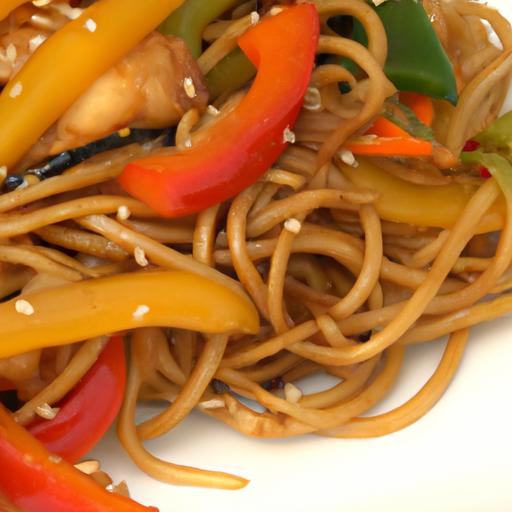

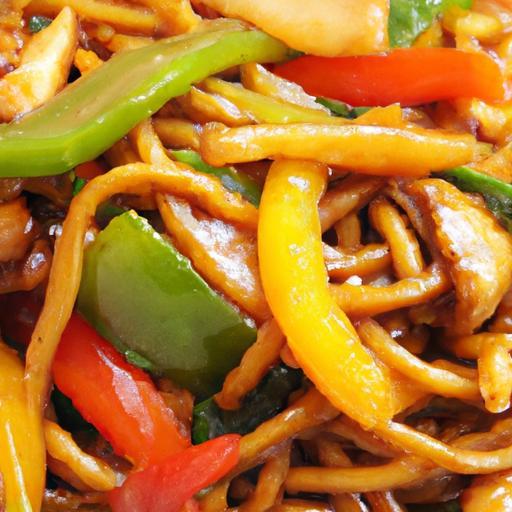
In the vibrant world of culinary delights, few dishes capture the essence of comfort and flavor quite like chow mein. But what if you could savor this beloved classic without the gluten? Enter gluten-free chow mein-a delicious twist that retains all the savory satisfaction while catering to dietary needs. Whether you’re navigating a gluten intolerance or simply exploring new kitchen horizons, this reinvention promises a mouthwatering experience that honors tradition and innovation alike. Let’s dive into the art of crafting gluten-free chow mein, where taste and health harmoniously entwine in every bite.
Gluten-Free Chow Mein is a vibrant celebration of texture, color, and bold flavors, reimagined to suit those who avoid gluten without sacrificing authenticity. inspired by bustling Asian street markets and my early kitchen experiments, this recipe captures the essence of traditional chow mein while inviting fresh, wholesome ingredients to shine.
Prep and Cook Time
- Preparation: 20 minutes
- Cooking: 15 minutes
- Total Time: 35 minutes
Yield
Serves 4 hearty portions
Difficulty Level
Medium – Perfect for those pleasant with stir-frying and ingredient prep
Ingredients
- 8 oz gluten-free rice noodles, soaked or cooked according to package instructions
- 2 tbsp sesame oil, divided
- 1 cup shredded napa cabbage
- 1 cup julienned carrots
- 1 cup snow peas, trimmed
- 1 bell pepper, thinly sliced
- 3 green onions, sliced diagonally
- 2 cloves garlic, minced
- 1 tbsp fresh ginger, finely grated
- 1 cup cooked chicken breast or firm tofu, cubed
- For the Sauce:
- 3 tbsp gluten-free tamari or soy sauce
- 2 tbsp oyster sauce (gluten-free)
- 1 tbsp toasted sesame oil
- 1 tbsp honey or maple syrup
- 1 tsp rice vinegar
- 1/2 tsp ground white pepper
Instructions
- Prepare the noodles: follow package directions for gluten-free rice noodles, soaking or boiling until just tender. Drain and rinse under cold water to stop cooking. Toss with 1 teaspoon sesame oil to prevent sticking.Set aside.
- Mix the sauce: In a small bowl, whisk together tamari, gluten-free oyster sauce, sesame oil, honey, rice vinegar, and white pepper. Taste and adjust sweetness or acidity to your preference. Set aside.
- Sauté aromatics: Heat 1 tablespoon sesame oil in a large wok or skillet over medium-high heat. Add minced garlic and grated ginger; sauté until fragrant, about 30 seconds.
- Cook vegetables and protein: Add napa cabbage,carrots,snow peas,and bell pepper. Stir-fry for 3-4 minutes until vegetables are crisp-tender. Add chicken or tofu, stirring to heat through evenly.
- Toss noodles and sauce: Add the drained noodles and green onions to the wok. Pour the prepared sauce over everything and toss gently but thoroughly to coat all ingredients. Stir-fry for another 2-3 minutes to meld flavors and warm the noodles.
- Finish and serve: remove from heat. For an extra burst of freshness, garnish with additional sliced green onions or toasted sesame seeds. Serve immediately while hot and flavorful.
Chef’s Notes and Tips for Success
- Noodles selection: Opt for wide or thin rice noodles labeled gluten-free, as they absorb the sauce beautifully and provide that coveted chewy bite reminiscent of traditional chow mein.
- Protein swaps: For a vegetarian option, double the tofu or add a medley of shiitake mushrooms for umami depth. Chicken breast works best for clean, tender bites.
- Vegetable variety: Use crunchy water chestnuts or baby corn for added texture.Fresh snap peas or broccoli florets are fabulous alternatives that complement the natural sweetness of the sauce.
- Stir-fry technique: Maintain high heat and keep ingredients moving in the pan to achieve that slightly smoky ‘wok hei’ flavor,marking authentic chow mein.
- make-ahead tip: prepare and refrigerate the sauce and chopped vegetables in advance. Assemble and cook quickly for weeknight ease.
- Gluten-free tamari: A crucial ingredient for authenticity without gluten. Avoid regular soy sauce as it contains wheat.
Serving Suggestions
This vibrant Gluten-free Chow Mein serves beautifully on its own or paired with light sides like cucumber salad or steamed bok choy. For an elevated presentation, garnish with a sprinkle of toasted sesame seeds, thinly sliced red chili, and fresh cilantro leaves. Accompany with a small bowl of gluten-free hot and sour soup for a full dining experience.

| Nutrient | Per Serving |
|---|---|
| Calories | 350 kcal |
| Protein | 28 g |
| Carbohydrates | 40 g |
| Fat | 8 g |
Discover more on perfect stir-fry techniques with our Stir-Fry Basics Guide. For detailed nutritional advice on gluten-free diets, visit Celiac Disease Foundation.
Q&A
Q&A: Gluten-free Chow Mein – A Delicious Twist on a Classic Dish
Q1: What makes traditional chow mein not gluten-free?
A1: Traditional chow mein usually contains wheat-based noodles and regular soy sauce—both common sources of gluten. The wheat flour used in the noodles and the wheat-derived ingredients in many soy sauces make classic chow mein unsuitable for those with gluten sensitivities or celiac disease.
Q2: How can chow mein be adapted to be gluten-free without losing its signature flavor?
A2: The secret is smart substitutions. Replace wheat noodles with gluten-free options like rice noodles, mung bean (glass) noodles, or spiralized vegetables such as zucchini or sweet potato. Swap regular soy sauce for gluten-free tamari or coconut aminos. These changes preserve chow mein’s savory, umami-rich essence while making it completely gluten-free.
Q3: Are gluten-free chow mein noodles as satisfying as the traditional ones?
A3: Absolutely! Gluten-free noodles frequently enough have a diffrent texture, ranging from chewy to delightfully springy. Rice noodles, for example, soak up flavors beautifully, offering a light and fresh bite. With the right cooking technique, gluten-free chow mein can be just as comforting and crave-worthy as its classic counterpart.
Q4: Can gluten-free chow mein be just as versatile in terms of ingredients?
A4: Definitely. Gluten-free chow mein serves as a canvas for a wide range of vegetables, proteins, and sauces. Popular options include chicken, beef, tofu, shrimp, mushrooms, bell peppers, bok choy, and snap peas. By mixing and matching ingredients, you can tailor the dish to your preferences while keeping it gluten-free.
Q5: What tips can help prevent gluten contamination when making gluten-free chow mein at home?
A5: Cross-contamination is a crucial consideration. Use separate cooking utensils,pots,and pans that haven’t been in contact with gluten-containing foods. Thoroughly clean surfaces before preparation,and double-check that all packaged ingredients are certified gluten-free. These steps ensure your chow mein remains safe and delicious.
Q6: Is gluten-free chow mein suitable for other dietary preferences?
A6: Yes! It can easily be adapted to accommodate vegetarian, vegan, or dairy-free diets by choosing plant-based proteins and omitting any animal-derived ingredients. Plus, the dish is naturally low in dairy and can be made lower in sodium by selecting low-sodium sauces-a perfect example of flexible, wholesome cooking.
Q7: What are some creative twists to try with gluten-free chow mein?
A7: Experiment with bold flavors by adding fresh ginger, toasted sesame seeds, or a splash of citrus like lime or yuzu for brightness. Swap typical veggies for seasonal or exotic choices like baby corn, enoki mushrooms, or kale to give a new dimension to the dish. You can even turn it into a salad or bowl by serving the noodles chilled with a tangy dressing!
Q8: where can one find gluten-free chow mein noodles and sauces?
A8: Many grocery stores now stock gluten-free noodles either in the gluten-free aisle or the Asian foods section. Online specialty retailers also offer an extensive range of gluten-free options, including tamari sauces and noodles made from alternative grains or legumes.
With these tips and tricks, enjoying a bowl of gluten-free chow mein is not just possible-it’s a vibrant celebration of flavor and texture that respects dietary needs without compromising on taste.
Final Thoughts
Embracing a gluten-free chow mein doesn’t mean sacrificing the vibrant flavors and satisfying textures that make this classic dish so beloved. With thoughtful ingredient swaps and a dash of creativity, you can enjoy a plate that’s just as comforting and crave-worthy-minus the gluten. Whether you’re navigating dietary restrictions or simply exploring new culinary horizons, this delicious twist on chow mein invites you to savor every bite with confidence and delight. So next time you’re in the mood for something familiar yet fresh, give gluten-free chow mein a try-it’s a flavorful journey worth taking.