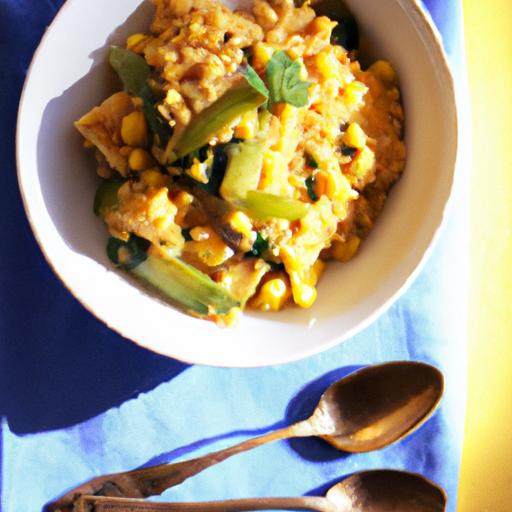



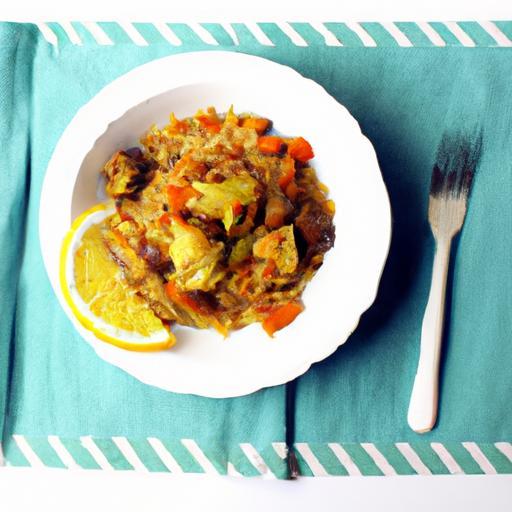
In the realm of rapid, nutritious, and budget-kind meals, couscous shines as a shining star waiting to be discovered. Tiny granules with a big personality, couscous effortlessly transforms simple ingredients into vibrant, satisfying dishes that please both the palate and the pocketbook. Whether you’re a seasoned home chef or a kitchen newbie, exploring wholesome and wallet-friendly couscous recipes opens up a world of culinary possibilities-each bite packed with flavor, texture, and nourishing goodness. join us as we dive into a collection of tasty couscous meals that promise to elevate your mealtime without breaking the bank.
Wholesome Ingredients That Boost Couscous Nutrition
Wholesome & wallet-friendly: tasty couscous meals to try start with choosing nutrient-dense ingredients that elevate this delightfully fluffy grain. Couscous itself is a versatile, quick-cooking staple rich in complex carbohydrates and fiber. To maximize its nutritional profile, incorporate colorful seasonal vegetables such as vibrant bell peppers, nutrient-packed kale, and sweet roasted carrots. Legumes like chickpeas or lentils add a boost of plant-based protein, while nuts and seeds contribute healthy fats and crunch.
Opt for whole wheat couscous when possible for added fiber and a nuttier flavor.Herbs like parsley and mint not only infuse fresh, aromatic notes but also bring antioxidants and vitamins. A squeeze of lemon juice brightens the dish while providing a hit of vitamin C, aiding iron absorption from plant ingredients. Incorporating these wholesome components transforms couscous into a balanced, energy-boosting meal ideal for any time of day.
Budget-Friendly Tips for Shopping and Meal Prep
Stretch your food budget without skimping on flavor or nutrition by buying couscous in bulk from health food stores or online retailers-this saves money and reduces packaging waste. Purchase seasonal vegetables from local farmers’ markets or grocery sales, which offers peak flavor and freshness at lower prices. Dried legumes are wallet-friendly protein powerhouses and can be cooked in large batches then frozen for quick meal assembly later.
Meal prep couscous in advance by cooking a large batch and storing it in an airtight container in the fridge for up to 4 days. Add freshly chopped herbs or dressings at serving to keep flavors vibrant. Roasting vegetables and prepping proteins like grilled chicken or seasoned tofu ahead of time streamlines dinner prep, turning even busy weeknights into a tasty couscous celebration.
Creative Couscous Recipes for Every Occasion
Tapping into the versatility of couscous sparks endless creative dishes-from refreshing Mediterranean salads to hearty winter stews. Try tossing couscous with crunchy cucumbers, sun-ripened tomatoes, kalamata olives, and feta cheese for an effortless summer side.For cozy dinners, blend warm spices like cumin and coriander into your couscous along with slow-roasted eggplant and chickpeas for satisfying depth.
Elevate weeknight meals by mixing couscous with caramelized onions, toasted pine nuts, and tender grilled chicken drizzled with a lemon-tahini sauce. Celebrate holidays or gatherings with a colorful couscous pilaf studded with dried apricots, toasted almonds, and fragrant cinnamon. these ideas showcase couscous’s ability to adapt and impress,no matter the occasion.
Pairing Couscous with Seasonal Vegetables and Proteins
Pair couscous with the freshest seasonal vegetables to ensure maximum flavor and nutrition. Spring invites vibrant asparagus,peas,and radishes; summer boasts juicy tomatoes,zucchini,and corn; fall is perfect for roasted squash,Brussels sprouts,and sweet potatoes; while winter highlights hearty root vegetables and bitter greens. Each season provides unique textures and tastes that complement couscous brilliantly.
protein choices range from plant-based options like spiced chickpeas or grilled tempeh to lean poultry such as herb-roasted chicken or turkey meatballs. Seafood lovers can enjoy grilled shrimp or lemon-baked cod alongside couscous for a light, elegant plate. A simple drizzle of olive oil or yogurt-based sauce unifies the components and adds moisture without overwhelming subtle flavors.
Nutritious Moroccan-Inspired Couscous bowl
Wholesome & wallet-friendly: tasty couscous meals to try like this Moroccan-inspired bowl deliver bold flavors alongside nourishing ingredients. Perfect for a weeknight dinner or meal prep, this dish combines fluffy whole wheat couscous, caramelized vegetables, and protein-packed chickpeas into a colorful feast.
Prep and Cook Time
- Planning: 15 minutes
- Cooking: 20 minutes
- Total: 35 minutes
Yield
- Serves 4
Difficulty Level
- Easy
Ingredients
- 1 cup whole wheat couscous
- 1 ¼ cups vegetable broth
- 1 tbsp olive oil, divided
- 1 small red onion, thinly sliced
- 1 medium carrot, peeled and diced
- 1 small zucchini, diced
- 1 cup cooked chickpeas (canned works well, drained and rinsed)
- 1 tsp ground cumin
- ½ tsp smoked paprika
- ½ tsp ground cinnamon
- Salt and black pepper, to taste
- ¼ cup chopped fresh parsley
- juice of 1 lemon
- Optional garnish: toasted slivered almonds or pomegranate seeds
Instructions
- Toast the couscous: In a medium saucepan, heat ½ tablespoon olive oil over medium heat. Add the whole wheat couscous and toast, stirring frequently, for about 2 minutes or until fragrant and lightly golden.
- Add broth and cook couscous: Carefully pour in the vegetable broth, bring to a boil, then cover and remove from heat. Let it steam for 10 minutes until liquid is absorbed. Fluff lightly with a fork.
- Sauté vegetables: While couscous cooks, heat the remaining olive oil in a skillet over medium-high heat.Add sliced onion and sauté until golden brown and caramelized, about 5 minutes. Stir in the diced carrot and zucchini, cooking another 5-7 minutes until just tender.
- Spice it up: stir cumin, paprika, cinnamon, salt, and pepper into the vegetables. Mix in chickpeas and cook for an additional 2 minutes to warm through and blend flavors.
- Assemble bowl: Combine cooked couscous and vegetable mixture in a large bowl. Toss with lemon juice and fresh parsley for brightness.
- Garnish and serve: Sprinkle with toasted almonds or pomegranate seeds if desired for texture and visual appeal.Serve warm or at room temperature.
Tips for Success
- For extra protein,substitute chickpeas with cooked lentils or shredded rotisserie chicken.
- Whole wheat couscous offers nuttier flavor and more fiber, but regular couscous can be used for a lighter texture.
- To add creaminess, stir in a dollop of Greek yogurt or a tahini drizzle before serving.
- Make-ahead tips: Prepare couscous and roasted vegetables separately, then combine just before serving.
- Adjust the spice levels by adding a pinch of cayenne pepper or red pepper flakes for heat.
Serving Suggestions
This couscous bowl shines on its own or as a vibrant side accompanying your favorite proteins like grilled lemon-herb chicken or pan-seared salmon. Serve with a crisp green salad or flatbread to round out the meal. Garnish with extra fresh herbs, lemon wedges, or a drizzle of olive oil for a restaurant-style presentation that’s sure to impress.

| Nutrient | Per Serving |
|---|---|
| Calories | 320 kcal |
| Protein | 10 g |
| Carbohydrates | 45 g |
| Fat | 7 g |
| Fiber | 6 g |
For more wholesome & wallet-friendly couscous ideas, explore our Mediterranean Couscous Salad for a refreshing twist. Learn about the health benefits of whole grains at Harvard T.H. Chan School of Public health.
Q&A
Q&A: Wholesome & Wallet-Friendly: Tasty couscous Meals to Try
Q1: What makes couscous a great choice for budget-friendly meals?
A1: Couscous is not only affordable but also incredibly versatile and quick to prepare. Its light, fluffy texture pairs well with a variety of vegetables, proteins, and spices, allowing you to create nutritious and satisfying meals without breaking the bank. Plus,it has a long shelf life,making it a pantry staple that’s ready when you are.
Q2: How can I boost the nutritional value of a couscous meal?
A2: To elevate the health benefits, add plenty of colorful veggies like bell peppers, carrots, spinach, or cherry tomatoes. Incorporate plant-based proteins such as chickpeas, lentils, or tofu, or lean options like grilled chicken or fish. A sprinkle of nuts or seeds also adds a crunch along with healthy fats and extra nutrients.
Q3: What are some creative ways to flavor couscous without costly spices?
A3: Simple ingredients like garlic, lemon juice, fresh herbs (think parsley, cilantro, or mint), and basic pantry staples like cumin or smoked paprika can transform couscous from bland to brilliant. Roasting veggies before mixing them in adds depth, while a drizzle of good olive oil brings richness without needing fancy seasonings.
Q4: Can couscous be used in cold dishes or salads?
A4: Absolutely! Couscous makes an excellent base for refreshing salads. Try tossing it with cucumbers, tomatoes, olives, and feta cheese for a Mediterranean vibe, or combine with avocado, black beans, and corn for a vibrant, fiber-rich salad. It’s perfect for meal prep and tastes great chilled or at room temperature.
Q5: How long does couscous take to cook, and what’s the easiest method?
A5: Couscous cooks in just 5 minutes! The easiest method is to pour boiling water or broth over the couscous, cover it, and let it steam until all the liquid is absorbed. Fluff it with a fork, and it’s ready to mix with your chosen ingredients-minimal effort, maximum tastiness!
Q6: Are there different types of couscous, and do they affect cooking or flavor?
A6: Yes, the most common types are Moroccan (small and quick-cooking), Israeli (also called pearl couscous, larger and chewier), and Lebanese (larger, similar to giant couscous). Each has a slightly different texture, with Israeli and Lebanese varieties offering a heartier bite, perfect for grilling or roasted dishes. Cooking times vary, so always check package instructions.
Q7: What’s a simple, wholesome couscous recipe beginners can try today?
A7: Try this quick recipe: Steam couscous with vegetable broth, then stir in sautéed onions, garlic, diced zucchini, and chickpeas. Finish with a squeeze of lemon and chopped fresh parsley. this meal delivers balanced flavors,protein,and fiber – all on a shoestring budget!
Q8: How can I turn leftover couscous into a new meal?
A8: Leftover couscous is incredibly adaptable. Turn it into stuffed peppers by mixing it with veggies and cheese,then baking.Or create patties by combining couscous with eggs and herbs, frying them into crispy bites. The grain’s neutral flavor means you can keep reinventing it with whatever ingredients you have on hand.
Q9: Is couscous suitable for special diets like vegetarian or gluten-free?
A9: Couscous is perfect for vegetarian and vegan diets when paired with plant-based ingredients.However, customary couscous is made from wheat semolina, so it’s not gluten-free. If you need a gluten-free option, consider alternatives like quinoa or millet, which offer similar versatility.
Q10: What are some cultural inspirations for couscous dishes I can experiment with?
A10: Couscous is a cornerstone of North African cuisine, often served with spiced stews featuring vegetables, legumes, and lamb or chicken. You can also explore Mediterranean influences by incorporating olives, sun-dried tomatoes, and herbs. For a Middle Eastern twist, mix in toasted nuts, pomegranate seeds, and a drizzle of tahini sauce.Embrace these flavors to craft meals that are both authentic and creatively your own!
In Conclusion
As you’ve discovered, wholesome and wallet-friendly don’t have to mean boring or bland-especially when it comes to couscous. This versatile grain transforms simple ingredients into flavorful, nourishing meals that won’t break the bank. Whether you’re whipping up a vibrant veggie-packed salad or a warm, spiced stew, couscous invites creativity and comfort to your table. So next time you’re looking to delight your taste buds without stretching your budget, remember that a bowl of couscous holds endless possibilities-each one as tasty and wholesome as the last. Happy cooking, and even happier eating!