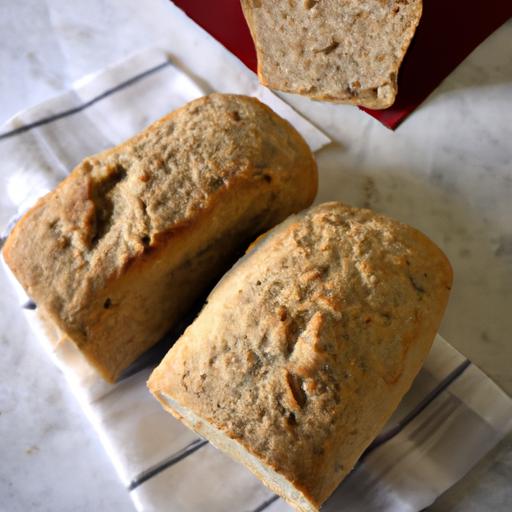


In a world where dietary needs are as diverse as our tastes,finding the perfect gluten-free bread can feel like searching for a golden loaf in a sea of crumbs. Whether you’re navigating gluten intolerance, embracing a healthier lifestyle, or simply craving a fresh, wholesome slice, quick and easy gluten-free breads offer a appetizing solution without the wait. This guide unlocks a treasure trove of simple, nourishing recipes that transform everyday ingredients into soft, flavorful breads-no gluten, no fuss. Ready to fill your kitchen with the irresistible aroma of freshly baked goodness? Let’s dive into the art of wholesome gluten-free baking made effortless.
Quick & Easy Gluten-Free Breads unlock a world of culinary creativity,blending science and art to craft loaves that delight both texture and flavor.From the first warm slice straight from the oven to the satisfying crumb that holds together just right, mastering gluten-free bread baking is a rewarding journey. Whether you’re a beginner or seasoned baker, understanding the unique properties of gluten-free flours and the essential techniques transforms each loaf into a wholesome masterpiece.
Prep and Cook Time
- Planning: 15 minutes
- Rising Time: 45 minutes
- Baking Time: 30-35 minutes
- Total Time: Approx. 1 hour 30 minutes
Yield
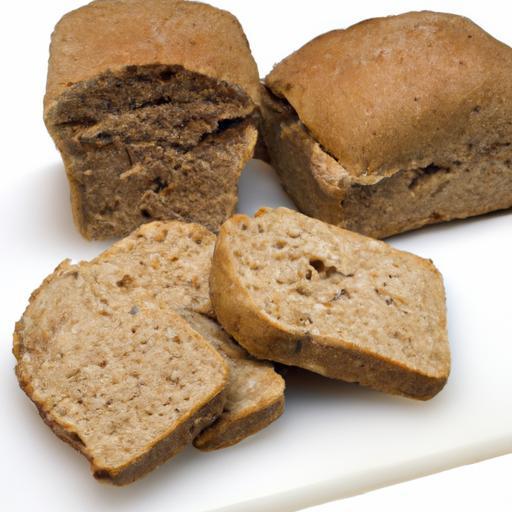
One 9-inch loaf, serving 8 slices
Difficulty Level
easy to Medium – perfect for bakers looking to expand their gluten-free repertoire.
Ingredients
- 1 ½ cups brown rice flour (for a mild, nutty base)
- 1 cup tapioca starch (provides elasticity)
- ½ cup almond flour (adds moisture and richness)
- 2 tablespoons psyllium husk powder (essential for texture and binding)
- 1 tablespoon baking powder (gluten-free)
- 1 teaspoon baking soda
- 1 teaspoon salt
- 2 tablespoons sugar (optional, balances flavors)
- 1 ½ cups warm water (110°F/43°C for activating yeast)
- 1 tablespoon apple cider vinegar (enhances rise and flavor)
- 2 large eggs, room temperature
- 3 tablespoons olive oil
- 1 packet active dry yeast (2 ¼ teaspoons)
Instructions
- Activate the yeast: In a small bowl, combine warm water, yeast, and 1 teaspoon sugar. Stir gently and let sit for 5-7 minutes until foamy. This step is crucial to ensure a fluffy rise.
- Mix dry ingredients: Whisk together brown rice flour, tapioca starch, almond flour, psyllium husk powder, baking powder, baking soda, salt, and remaining sugar in a large bowl. The psyllium acts like gluten to bind crumbs.
- Combine wet ingredients: In another bowl, beat eggs, olive oil, and apple cider vinegar until well blended.
- Form the dough: Pour the activated yeast mixture and wet ingredients into the dry ingredients. Stir vigorously with a wooden spoon or spatula until the dough becomes sticky but well combined-do not overmix.
- First rise: Transfer dough to a greased loaf pan and smooth the top with a wet spatula. Cover loosely with a clean kitchen towel and allow to rise in a warm, draft-free spot for 45 minutes or until the dough has visibly puffed up.
- Bake: Preheat oven to 375°F (190°C). Bake the bread for 30-35 minutes, or until the crust is golden brown and a toothpick inserted comes out clean. For an extra crusty exterior, you may place a shallow pan of water on the oven bottom during baking.
- Cool properly: Let the bread cool completely in the pan for 10 minutes, then transfer onto a wire rack. Cooling prevents sogginess and helps the texture set perfectly.
Tips for Success
- Use fresh psyllium husk powder: It makes an unmistakable difference in crumb structure and elasticity.
- Experiment with flours: Brown rice flour offers a mild nuttiness while almond flour enriches moisture. Avoid overloading almond flour to prevent heaviness.
- Room temperature eggs and liquids: Ensure ingredients aren’t cold – this promotes better yeast activation for a superior rise.
- Make-ahead option: Dough can be prepared the night before and refrigerated; bring to room temperature before rising and baking.
- Storage: Wrap cooled bread in a linen cloth to maintain crust and keep freshness up to 3 days. Alternatively,freeze slices for easy future use.
Serving Suggestions
Slice your fresh gluten-free bread thick or thin, then freshen it up by toasting lightly. Spread with creamy nut butter, tangy avocado mash, or top with a bright tomato basil bruschetta. Garnish with fresh herbs like rosemary or thyme when serving to enhance aroma and color.Pair it with wholesome soups, hearty salads, or a vibrant vegetable stir-fry for a perfectly balanced meal.

| Nutrient | Per Serving (1 slice) |
|---|---|
| Calories | 140 kcal |
| Protein | 4 g |
| Carbohydrates | 22 g |
| Fat | 5 g |
| Fiber | 3 g |
Understanding Gluten-Free flours for Quick & Easy Gluten-Free Breads
Each gluten-free flour carries its own character-brown rice flour offers a tender,slightly gritty texture while tapioca starch lends crucial chewiness reminiscent of traditional gluten. Almond flour introduces natural fats that enrich the crumb, preventing dryness. Combining these thoughtfully ensures your bread bakes with a comforting,balanced structure. Psyllium husk powder is the silent hero, mimicking gluten’s binding power, allowing dough to rise and hold its shape beautifully.
For deeper insight, visit the Celiac Disease Foundation’s guide on gluten-free flours to expand your knowledge on substitutions and baking science.
Looking to explore more gluten-free baking ideas? Check out our Gluten-free Desserts collection for sweet treats that perfectly complement your wholesome breads.
Q&A
Q&A: Quick & Easy Gluten-Free Breads – Wholesome Recipes Guide
Q1: Why choose gluten-free breads,and are they as nutritious as traditional breads?
A1: Gluten-free breads cater to those with celiac disease,gluten sensitivities,or anyone looking to reduce gluten intake for personal health reasons. when made with wholesome ingredients like almond flour,quinoa,or oat flour,these breads can be packed with nutrients such as protein,fiber,and healthy fats-sometimes offering even more diverse nutrition than traditional wheat-based breads.
Q2: What are the key ingredients that make gluten-free bread fluffy and light?
A2: Achieving that perfect fluffy texture often comes down to a combination of gluten-free flours (like rice, tapioca, or sorghum), binders such as xanthan gum or psyllium husk, and proper leavening agents like yeast or baking powder.Additionally, eggs or flaxseed gel add moisture and help the bread hold together without gluten.
Q3: How can I make gluten-free bread quickly without sacrificing flavor?
A3: Quick gluten-free breads rely on simple, fast-acting leaveners like baking soda or baking powder rather than traditional yeast rise times.using flavorful ingredients like herbs, seeds, nuts, or even mashed sweet potatoes or pumpkin can enhance taste while keeping prep time short. Plus, mixing dry and wet ingredients thoroughly ensures a smooth dough that bakes evenly.Q4: Can I substitute gluten-free bread flour blends with single-type flours?
A4: Single flours frequently enough lack the balance needed for ideal texture. Many recipes recommend using a blend of flours-such as combined rice flour, potato starch, and tapioca starch-to mimic the elasticity and crumb of wheat bread. if you use single flours, expect a denser or crumblier result, but experimenting is part of the fun!
Q5: How should gluten-free bread be stored to maintain freshness?
A5: Gluten-free bread tends to dry out faster than traditional bread due to the absence of gluten. Store it in an airtight container at room temperature for up to 2 days, or freeze slices individually wrapped for longer shelf life. To revive texture, a quick warm-up in the oven or toaster can make crumbs soft and inviting again.
Q6: What are some easy ways to enhance the nutritional value of gluten-free bread?
A6: Incorporate nutrient-dense add-ins like chia seeds, flaxseeds, poppy seeds, or chopped nuts. Using flours rich in protein and fiber-such as almond flour, buckwheat, or teff-also boosts the health factor. Don’t forget natural sweeteners like honey or maple syrup for subtle flavor hints if desired, keeping the bread wholesome and satisfying.
Q7: Are gluten-free breads suitable for people with other dietary restrictions?
A7: Many gluten-free bread recipes can easily be adapted to suit additional needs such as dairy-free or egg-free diets by swapping out ingredients. Such as, plant-based milks replace cow’s milk, and flax or chia egg substitutes work well as binders. Always check labels and experiment to find the perfect fit for your lifestyle.
Q8: What’s a simple starter recipe for someone new to gluten-free bread baking?
A8: A great beginner recipe is a basic gluten-free soda bread combining gluten-free flour blend,baking soda,buttermilk (or a dairy-free choice with vinegar),salt,and a touch of honey. It requires no yeast or rising time-just mix, shape, and bake! This comforting loaf is quick, easy, and perfect for dipping or toasting.Q9: How do gluten-free breads compare in taste and texture to traditional breads?
A9: While they won’t be identical to wheat breads-due to the absence of gluten’s elasticity-modern gluten-free recipes boast remarkable improvements in softness, crumb, and flavor. With the right combination of flours and add-ins, these breads can be moist, flavorful, and satisfyingly chewy.
Q10: Can I make gluten-free bread in a bread machine?
A10: Absolutely! Many bread machines have a gluten-free setting designed for quicker rise times and gentler kneading. Just make sure to use a recipe tailored for gluten-free bread machines, focus on accurate measurements, and avoid overworking the dough to bake a perfect loaf with minimal fuss.
In Retrospect
Whether you’re a seasoned baker or just starting your gluten-free journey, these quick and easy gluten-free bread recipes open the door to wholesome, satisfying homemade loaves without the fuss.With just a handful of simple ingredients and a bit of love, you can enjoy warm, tender breads that nourish both body and soul. So roll up your sleeves, embrace the joy of baking gluten-free, and let these recipes become your go-to guide for delicious, wholesome breads-because everyone deserves a perfect slice, free from gluten and full of flavor. Happy baking!