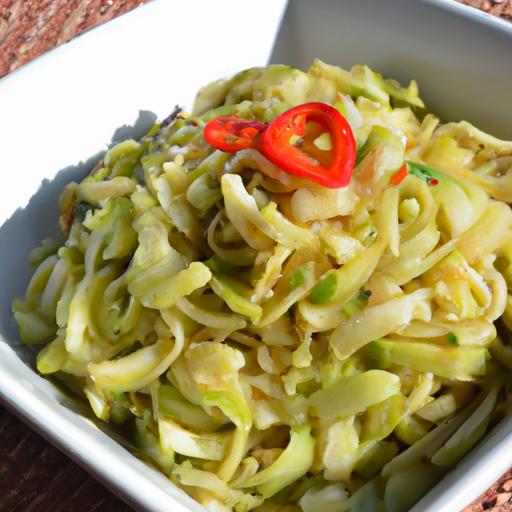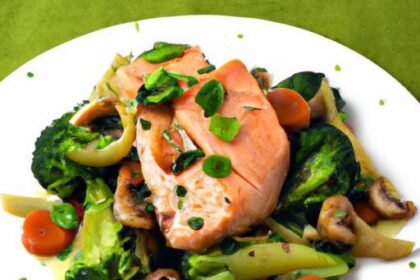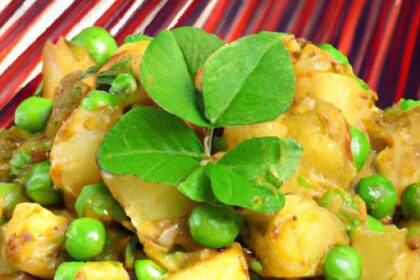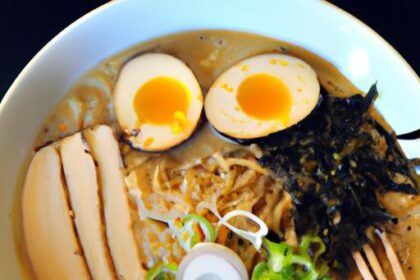
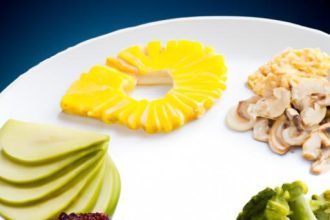

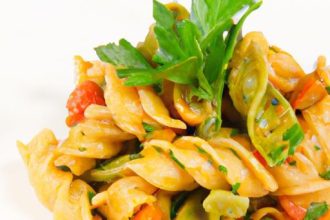

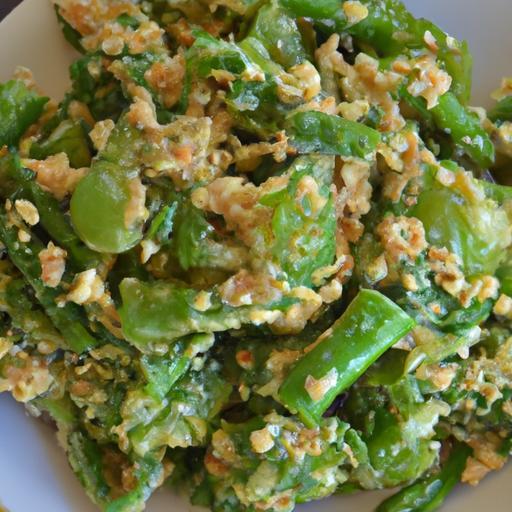
Thailand’s vibrant streets are alive with the sizzle of woks, the fragrance of fresh herbs, and a kaleidoscope of bold flavors that dance on the palate. But beyond the bustling night markets and elegant eateries lies a culinary treasure trove waiting to be explored-tasty, low-cost vegan recipes that capture the heart of Thai cuisine. Whether you’re a seasoned plant-based foodie or simply curious to taste Thailand’s rich, colorful heritage without breaking the bank, this article invites you on a flavorful journey. Prepare to savor authentic dishes that are as kind to your wallet as they are to your taste buds, proving that eating vegan in Thailand is not just possible-it’s irresistibly delicious.
Savor Thailand’s vibrant flavors with this authentic Thai vegan recipe that awakens your palate while keeping your budget intact. Rooted in Thailand’s rich culinary heritage, this dish celebrates the harmony of fresh herbs, bold spices, and wholesome plant-based ingredients designed to deliver maximum flavor without extravagance.Imagine the intoxicating aroma of lemongrass and kaffir lime leaves dancing alongside the earthiness of tofu and crunchy veggies-all culminating in a colorful, inviting plate that speaks to both tradition and innovation.
Prep and Cook Time
Planning: 15 minutes Cook Time: 20 minutes Total: 35 minutes
yield
Serves 4 hearty portions
Difficulty Level
Easy – Perfect for weeknight cooks diving into Thai vegan cuisine
Essential Ingredients to Stock for Authentic and Affordable Dishes
- 1 block (350g) firm tofu, pressed and cubed
- 2 tablespoons coconut oil
- 1 small onion, thinly sliced
- 3 cloves garlic, minced
- 1 thumb-sized piece of fresh ginger, grated
- 1 stalk lemongrass, bruised and finely chopped
- 2 kaffir lime leaves, torn (optional but highly recommended)
- 1 large red bell pepper, julienned
- 1 medium carrot, thinly sliced on a bias
- 1 cup green beans, trimmed and halved
- 1 small red chili, deseeded and chopped (adjust according to spice preference)
- 3 tablespoons soy sauce or tamari (for gluten-free)
- 1 tablespoon palm sugar or light brown sugar
- Juice of 1 lime
- Fresh Thai basil leaves, handful
- Cooked jasmine rice or sticky rice, to serve
Step-by-Step Guide to Crafting Classic Thai Vegan Favorites
- Prepare Your Tofu: After pressing excess water, cut tofu into 1-inch cubes. Heat 1 tablespoon of coconut oil in a non-stick skillet over medium heat. Add tofu cubes and lightly fry until golden on all sides, about 5-7 minutes. Remove and set aside.
- Build Your Flavor Base: In the same pan, add remaining coconut oil. Sauté onion, garlic, and ginger until fragrant and translucent, about 3 minutes. stir in lemongrass and kaffir lime leaves for another 2 minutes,releasing their citrusy essence.
- Add vegetables and Spice: Toss in bell pepper, carrot, green beans, and chili. Stir-fry for 5 minutes until veggies remain crisp but tender,locking in vibrant colors and textures.
- Season and Sweeten: Pour in soy sauce and palm sugar. Stir gently to combine, allowing the sugar to dissolve, balancing salty and sweet harmonies.
- Return Tofu to Pan: Fold tofu back into the vegetables and sauce. Cook just long enough to heat tofu thru and meld flavors, about 3 minutes.
- Finish with zest: Squeeze fresh lime juice over the dish, and toss in Thai basil leaves for a fragrant, herbaceous pop.
- Serve: Spoon generously over jasmine or sticky rice. Garnish with extra basil or thin lime wedges for an Instagram-worthy finish.
Insider Tips for Enhancing Taste Without Breaking the Budget
- Use Seasonal Veggies: Swap out vegetables according to local markets-cabbage, baby corn, or snap peas work wonderfully.
- Make Your Own Tofu: If you’re feeling adventurous, homemade tofu costs less and lets you control texture.
- Stock Up on Staples: Keep ingredients like lemongrass, kaffir lime leaves, and thai basil frozen or dried to save money while preserving aroma.
- Balance Flavors Smartly: Adjust lime and sugar levels to your personal preference-Thai dishes thrive on contrast.
- Double the Sauce: Make extra and freeze in ice cube trays for quick flavor boosts in future meals.
- Skip the Oil: Sauté with vegetable broth if seeking ultra-light versions.
Chef’s notes and Tips for Success
- For a smokier kick, gently char the tofu on a grill pan before frying.
- If strict soy-free, substitute tofu with tempeh or roasted chickpeas for added texture.
- To avoid bitterness, remove the tough outer stalk of lemongrass and finely chop the tender inner stalk only.
- Make-ahead suggestion: Prepare the sauce mix and marinate tofu overnight for deeper infusion.
- Use a wok or large skillet to maintain high heat for a crisp-tender, vibrant stir-fry.
Serving Suggestions
Serve this dish straight from the wok onto a warm ceramic plate.Garnish with torn Thai basil leaves, freshly chopped cilantro, and thinly sliced red chilies for an exquisite burst of color.A wedge of lime on the side invites personal tailoring of acidity.Pair with fragrant jasmine rice or sticky rice to soak up every drop of the luscious sauce. For a refreshing contrast,a side of sliced cucumber sprinkled with a pinch of flaky sea salt works wonders.

| Nutrient | Per Serving |
|---|---|
| Calories | 320 kcal |
| Protein | 18 g |
| Carbohydrates | 24 g |
| Fat | 16 g |
For those eager to dive deeper into plant-based Thai cooking, check out our related article Simple Thai Vegan Soups to complement this vibrant meal. To further explore the cultural and nutritional significance behind these ingredients, visit the FAO’s nutrition resources.
Q&A
Q&A: Savor Thailand – Delicious Low-Cost Vegan Recipes to Try
Q1: What makes Thai cuisine a great choice for vegan cooking?
A1: Thai cuisine shines in vegan cooking due to its vibrant use of fresh herbs, spices, and diverse vegetables. The balance of sweet, sour, salty, and spicy flavors creates naturally rich and satisfying dishes without the need for animal products. Plus, many traditional Thai foods are already plant-based or easily adaptable, making it a flavorful playground for vegans.
Q2: Which ingredients are essential in crafting authentic low-cost Thai vegan recipes?
A2: Key pantry staples include fragrant jasmine rice, coconut milk, tamarind paste, lemongrass, galangal, kaffir lime leaves, Thai basil, and chili peppers. These ingredients infuse dishes with unmistakable Thai essence while being budget-amiable and widely accessible in most supermarkets or Asian markets.
Q3: Can you suggest an easy vegan Thai dish for beginners?
A3: Absolutely! Try making Pad Pak Bung Fai Daeng-a simple stir-fried morning glory (water spinach) with garlic, chili, and soy sauce. It’s quick, flavorful, and requires minimal ingredients. Served with steamed jasmine rice, it’s a perfect introduction to Thai vegan cooking.
Q4: How can someone add authentic Thai flavors without expensive or hard-to-find ingredients?
A4: Focus on fresh aromatics like garlic, shallots, and chili which are inexpensive and foundational. Use store-bought tamarind concentrate or lime juice for tartness, and substitute fresh herbs with dried if necesary.Coconut milk,a common shelf staple,enriches curries and soups with creamy depth without breaking the bank.
Q5: What are some satisfying Thai vegan comfort foods to try at home?
A5: Try dishes like Tom Yum Soup with mushrooms and tofu, Green Papaya Salad (som Tum) without fish sauce (use soy or tamari rather), and Massaman Curry with potatoes and peanuts. These classics deliver warmth, texture, and bursts of flavor, perfect for a cozy yet affordable meal.
Q6: How does Thai cuisine accommodate dietary restrictions beyond veganism?
A6: Thai cooking’s reliance on fresh vegetables and herbs means it’s naturally gluten-free (when using tamari instead of soy sauce), and low in processed ingredients.Many dishes can be customized to avoid nuts or other allergens simply by swapping or removing certain components while retaining bold taste.
Q7: What cooking techniques are commonly used in Thai vegan recipes?
A7: Stir-frying with high heat preserves crunch and freshness, simmering in coconut milk develops rich, aromatic curries, and pounding herbs for salads releases vibrant oils and flavors. These methods all emphasize quick, simple preparation that highlights the freshness of ingredients.
Q8: Where can one find inspiration for more Thai vegan dishes beyond the basics?
A8: explore Thai street food blogs, vegan Thai cookbooks, and YouTube channels dedicated to plant-based Asian cuisine.Also, visiting local markets or Thai restaurants and asking for recommendations can spark ideas and empower you to recreate authentic street-style dishes at home.
Savoring Thailand’s vegan delights doesn’t have to be elaborate or costly. Embrace fresh ingredients, bold flavors, and time-honored techniques to create memorable meals that bring the heart of Thai cuisine to your kitchen table-all without breaking the bank!
Wrapping Up
Whether you’re a seasoned vegan or simply curious about plant-based delights, exploring Thailand’s vibrant cuisine offers a flavorful journey without stretching your wallet. From aromatic curries to crunchy street snacks, these low-cost vegan recipes bring the essence of Thai culture right into your kitchen. So,gather your ingredients,embrace the bold spices,and let each dish transport you to bustling markets and serene temples alike-all while savoring the mindful joy of eating well and spending less. Happy cooking, and may your taste buds dance to the colorful rhythms of thailand!