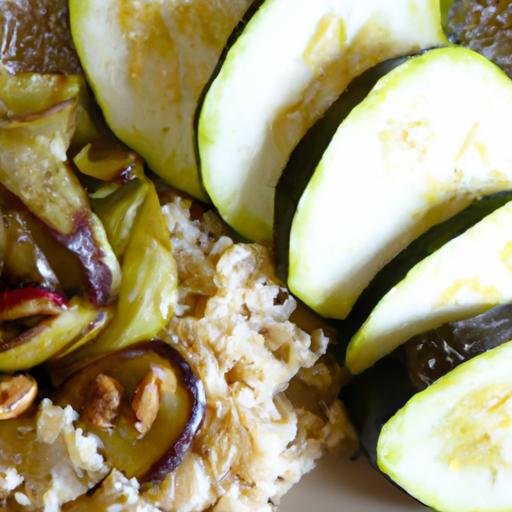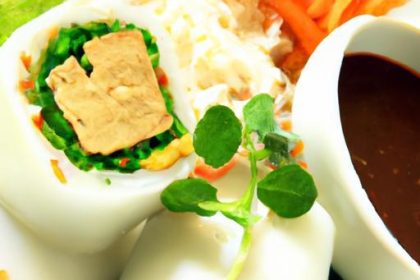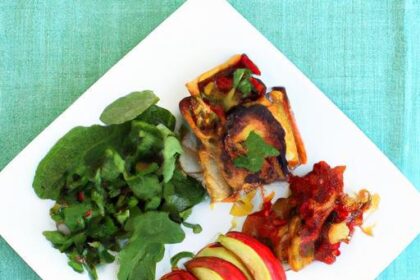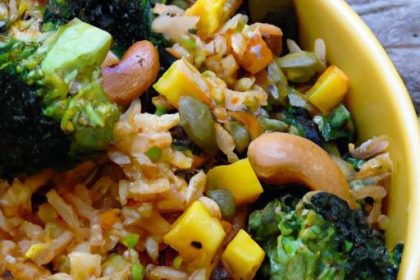

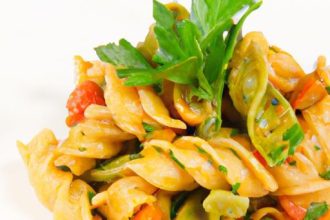

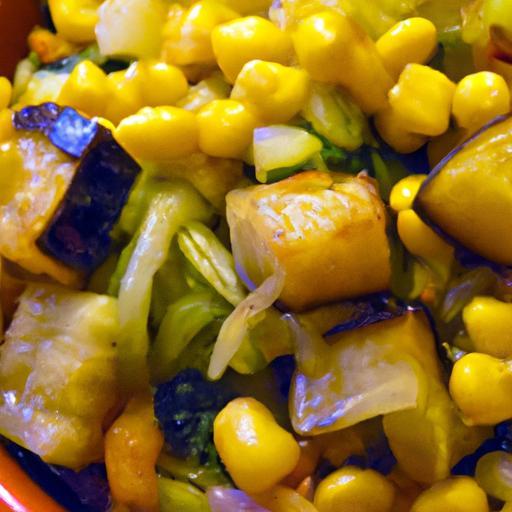
Step into a world where vibrant spices dance on your tongue, fresh herbs awaken your senses, and every bite tells a story steeped in tradition. Middle Eastern cuisine,celebrated for its rich tapestry of flavors and wholesome ingredients,offers an abundance of vegan dishes that are as satisfying as they are affordable. From creamy hummus to fragrant falafel and hearty lentil stews, these recipes not only honor centuries-old culinary heritage but also cater perfectly to plant-based lifestyles and budget-conscious cooks alike. Ready to embark on a flavorful journey that nourishes both body and soul? LetS explore some appetizing, wallet-pleasant Middle Eastern vegan recipes you’ll want to make again and again.
Flavorful & Affordable Middle Eastern Vegan Recipes to Try unlock a vibrant world of spices,herbs,and textures that bring centuries of culinary heritage directly to your kitchen. One of the greatest joys of cooking Middle Eastern vegan dishes is weaving together bold aromas like za’atar, sumac, and cumin with fresh ingredients that celebrate plant-based tradition.These intensely fragrant spices and staple ingredients create meals that are not only nourishing and affordable but irresistibly authentic.
Rooted in communities where resourcefulness meets flavor,the essence of Middle Eastern vegan cooking lies in the delicate balance between earthy legumes,toasted nuts,and herbaceous notes. Whether you’re crafting a hearty main, a colorful mezze platter for sharing, or a sweet tribute to ancient sweets, these essentials form the core of your culinary toolkit. from golden tahini-rich sauces to tangy pomegranate molasses and the smoky kiss of Aleppo pepper,every element tells a story of culture and family gatherings.
Prep and Cook Time
- Preparation: 20 minutes
- Cooking: 30 minutes
- Total Time: 50 minutes
Yield
Serves 4-6 as a main or mezze component
Difficulty Level
Easy to Medium – perfect for home cooks eager to explore authentic, plant-based Middle Eastern flavors
Ingredients
- 1 cup dried chickpeas (soaked overnight and drained)
- 3 tablespoons tahini paste, well stirred
- 2 teaspoons ground cumin, toasted
- 1 teaspoon sumac, for a tangy brightness
- 1 teaspoon smoked paprika or Aleppo pepper (mildly spicy)
- 1/2 cup fresh parsley, finely chopped
- 3 cloves garlic, minced
- 1 lemon, juiced (about 3 tablespoons)
- 1/4 cup extra virgin olive oil, plus more for drizzling
- Salt and freshly cracked black pepper to taste
- 1 small red onion, finely diced (optional)
- Fresh mint leaves for garnish
- Toasted pine nuts or chopped pistachios for texture and garnish
Instructions
- Prepare the chickpeas: Drain the soaked chickpeas and place them in a large pot with fresh water. Bring to a boil, then simmer gently until tender but not mushy – about 50 to 60 minutes. Drain and let cool slightly.
- Toast the spices: In a dry skillet over medium heat, gently toast the ground cumin, smoked paprika, and sumac until aromatic, approximately 2 minutes. Stir constantly to avoid burning.
- Blend the base: In a food processor, combine the cooked chickpeas, tahini, lemon juice, garlic, and toasted spices. Pulse until smooth but still slightly textured to hold character.
- season and adjust: Slowly incorporate the olive oil while processing to create a creamy consistency. Season with salt and black pepper.Taste,and add more lemon juice or garlic if desired.
- Mix in fresh herbs and onion: Transfer the mixture to a bowl, gently fold in the parsley, mint (reserve some leaves for garnish), and diced red onion if using, adding extra crunch and freshness.
- Chill and serve: Refrigerate the mezze for at least 30 minutes to allow flavors to meld beautifully. Drizzle with more olive oil and sprinkle toasted nuts on top before serving.
Tips for Success
- Variations: Replace chickpeas with cooked fava beans for a silky choice commonly enjoyed in Egypt and Lebanon.
- Make-ahead: This mezze tastes even better the next day once the spices have fully infused. Store in an airtight container in the fridge for up to 3 days.
- Can’t soak chickpeas overnight? Use canned chickpeas but rinse thoroughly to reduce sodium and improve flavor.
- Toast nuts carefully: Lightly toast pine nuts or pistachios to prevent bitterness and maximize crunch.
- Boost smoky flavor: Add a pinch of smoked sea salt or chipotle powder for deeper warmth without overpowering the fresh herbs.
Serving Suggestions
This versatile vegan mezze shines best served as part of a communal spread alongside warm pita, crunchy cucumber slices, and ripe tomatoes. Layer the dish with vibrant pomegranate seeds or sumac-dusted cucumbers to elevate the visual appeal. For a main course, pair with fluffy couscous or herbed rice, and don’t forget a fresh side of tabbouleh for balance.
Garnishing with fresh mint leaves and a generous drizzle of olive oil adds both color and an inviting aroma that beckons diners to dig in.A squeeze of lemon just before serving injects lively acidity, waking up every bite with authenticity and flair.

| Nutrition (per serving) | Calories | Protein | Carbs | Fat |
|---|---|---|---|---|
| Chickpea tahini Mezze | 280 kcal | 12 g | 30 g | 14 g |
for more inspiration on authentic Middle Eastern vegan recipes, explore our full collection that celebrates delicious plant-based tradition.To deepen your spice knowlege, Britannica’s spice history overview provides captivating insights into how these ingredients shaped cuisines worldwide.
Q&A
Q&A: Flavorful & Affordable Middle Eastern Vegan Recipes to Try
Q1: What makes Middle Eastern cuisine ideal for vegan cooking?
A1: Middle Eastern cuisine naturally celebrates plant-based ingredients like lentils, chickpeas, grains, nuts, and fresh vegetables, making it a treasure trove for vegan dishes. The rich use of spices and herbs-such as cumin, sumac, za’atar, and fresh parsley-adds vibrant flavors without relying on animal products, making vegan meals both satisfying and diverse.
Q2: Which signature Middle Eastern dishes are easiest to veganize?
A2: Many classic dishes are inherently vegan or easily adapted. Hummus (chickpea dip),falafel (deep-fried chickpea patties),tabbouleh (parsley salad with bulgur),baba ganoush (smoky eggplant dip),and stuffed grape leaves (dolmas) are all flavorful,affordable,and plant-based staples you can enjoy without modification.
Q3: How can I make affordable Middle Eastern vegan meals at home?
A3: Focus on pantry essentials like dried chickpeas, lentils, bulgur, rice, and spices. buying in bulk and using seasonal vegetables can keep costs low. Preparing dishes from scratch-like soaking and cooking your own chickpeas or blending your own tahini sauce-can stretch your budget even further while delivering authentic flavors.
Q4: What are some easy flavor boosters in Middle Eastern vegan cooking?
A4: Ingredients like garlic, fresh lemon juice, tahini (sesame paste), sumac (tart spice), and crushed red pepper elevate simple dishes. Fresh herbs such as mint, cilantro, and parsley add brightness and depth. These affordable, natural flavor enhancers make every bite a vibrant experience.
Q5: Can Middle Eastern vegan recipes be satisfying as main meals?
A5: Absolutely! Middle eastern dishes often combine hearty legumes and grains with vegetables and nuts, creating balanced meals. Lentil stews, mujaddara (lentils with rice and caramelized onions), and large, colorful salads with protein-rich chickpeas or fava beans can keep you energized and satisfied.
Q6: Are there sweet Middle Eastern vegan treats to try?
A6: Yes! Many conventional desserts are naturally vegan, such as date-stuffed figs, roasted nuts with rosewater syrup, or semolina-based cakes flavored with orange blossom water and pistachios. These are perfect for anyone looking to end a meal on a sweet but plant-based note.
Q7: how can I incorporate these recipes into my weekly meal plan?
A7: Consider meal prepping large batches of staples like hummus,falafel patties,or mujaddara early in the week. Use leftovers creatively-turn hummus into wraps, falafel into salad toppings, or leftover rice into stuffed peppers.This approach keeps meals exciting, budget-friendly, and packed with Middle Eastern flair.
Q8: Where can I find authentic Middle Eastern spices and ingredients?
A8: Local specialty stores or Middle Eastern markets are great for sourcing spices and staples. Online retailers also offer extensive selections.Buying in small quantities helps you experiment without overspending, and once your pantry is stocked, you’ll be ready to explore countless recipes!
Q9: can I adapt Middle Eastern vegan recipes for different dietary needs?
A9: Yes! Most recipes are naturally gluten-free when using rice or lentils rather of bulgur. To make dishes nut-free,simply omit or replace nuts with seeds like pumpkin or sunflower seeds. the versatility of Middle eastern cuisine makes it easy to customize while maintaining authenticity and flavor.
Q10: what’s the best way to dive into Middle Eastern vegan cooking for beginners?
A10: Start with simple recipes that require minimal ingredients and prep-like classic hummus or tabbouleh.Experiment with a few spices at a time,and gradually add complexity. Cooking with friends or sharing meals can also make the experience more enjoyable and inspiring!
This Q&A guide offers insight into the rich,affordable,and exciting world of vegan Middle Eastern cooking,perfect for food lovers eager to explore new tastes while keeping things plant-based and wallet-friendly.
Concluding Remarks
as you embark on your culinary journey through these flavorful and affordable Middle Eastern vegan recipes,you’re not just preparing meals-you’re inviting a rich tapestry of traditions,spices,and stories into your kitchen. Each dish offers a vibrant taste of a culture that celebrates plant-based ingredients in the most delicious ways possible. Whether you’re a seasoned vegan or simply curious to explore new flavors, these recipes promise nourishment for both body and soul without stretching your budget. so go ahead-experiment, savor, and share these vibrant dishes, proving that wholesome eating can be both exciting and accessible. Your next favorite meal is just a recipe away!