

Prep and Cook Time
- Prep Time: 15 minutes
- Cook time: 25-30 minutes
- Total Time: 40-45 minutes
Yield
Serves 8 generous portions
Difficulty Level
Medium – Ideal for bakers looking to experiment and elevate textures
ingredients
- 1 cup tapioca starch, sifted and leveled
- 1 1/2 cups gluten-free all-purpose flour (make sure it contains xanthan gum)
- 3/4 cup coconut sugar or light brown sugar, packed
- 1 teaspoon baking powder (gluten-free)
- 1/2 teaspoon baking soda
- 1/4 teaspoon sea salt
- 2 large eggs, room temperature
- 1/2 cup unsweetened applesauce (adds moisture naturally)
- 1/2 cup coconut oil, melted
- 1 teaspoon pure vanilla extract
- 1/2 cup dairy-free milk (almond, oat, or coconut milk preferred)
Instructions
- Preheat your oven to 350°F (175°C). Grease or line an 8-inch square baking pan with parchment paper for easy removal.
- Whisk together dry ingredients: In a medium bowl, combine tapioca starch, gluten-free flour, coconut sugar, baking powder, baking soda, and salt. Stir until well blended.
- In a separate bowl, mix wet ingredients: Beat the eggs lightly, then add applesauce, melted coconut oil, vanilla extract, and dairy-free milk. Whisk until smooth and creamy.
- Combine the wet and dry: Pour the wet mixture into the dry ingredients.Gently fold with a spatula until just combined-avoid overmixing to maintain a tender crumb.
- Transfer batter to the prepared pan and smooth the top evenly. The batter will be slightly thicker than a traditional cake batter due to tapioca starch’s structure.
- Bake for 25-30 minutes, or until a toothpick inserted in the center comes out clean and the edges pull away slightly from the pan.
- Cool entirely in the pan for 15 minutes before transferring to a wire rack. Tapioca starch helps lock in moisture, ensuring the cake remains soft and pliable even after cooling.
Tips for Success: Expert Notes on Baking with Tapioca Starch
- Why tapioca starch? Its natural elasticity creates a light chewiness and glossy crust, especially fantastic for gluten-free and dairy-free baking.
- Substitution tip: Replace up to 30% of your flour with tapioca starch for added moisture retention without compromising structure.
- Mind the moisture: Tapioca starch’s ability to hold water means you may need slightly less liquid compared to wheat-based recipes.
- Storage advice: keep baked goods wrapped tightly at room temperature or refrigerated to preserve the tender texture tapioca starch provides.
- Make-ahead: this batter can be prepared a day in advance and refrigerated-just give it a gentle stir before baking.
Serving Suggestions
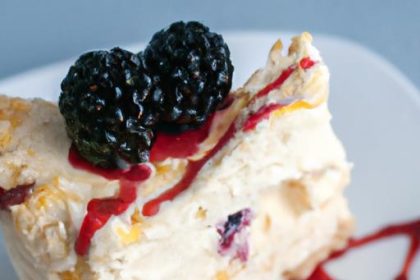
This beautifully tender tapioca starch-enhanced cake pairs exquisitely with fresh berries, a dusting of powdered sugar, or a drizzle of coconut cream. For an added texture contrast, sprinkle toasted chopped almonds or coconut flakes on top before baking. Serve slices alongside a cup of chai or herbal tea to highlight the subtle tropical notes that tapioca starch helps bring forward.

| Nutrient | Per Serving (1 slice) |
|---|---|
| Calories | 180 kcal |
| Protein | 3 g |
| Carbohydrates | 32 g |
| Fat | 6 g |
To deepen your understanding of tapioca starch’s functional benefits in different baking applications, explore this Scientific American article on the science of baking. Also, check out our recipe post on gluten-free baking basics for more inspiration on working with option starches and flours.
Q&A
Q&A: Unlocking Baking Magic
Q1: What is it, and where does it come from?
A1: Often called tapioca flour, this fine, white powder is extracted from the cassava root—a resilient tuber native to South America and widely cultivated in tropical regions. It’s prized for its unique texture and binding capabilities in the kitchen.
Q2: Why is it considered a magical ingredient in baking?
A2: It has a remarkable ability to create light, chewy, and tender textures, turning ordinary baked goods into extraordinary treats. Its gelatinization properties help retain moisture and add elasticity, enhancing everything from delicate cookies to luscious cakes and bread.
Q3: How does it behave differently from other flours or starches?
A3: Unlike wheat flour, it is gluten-free and has no protein content, making it an excellent thickener without toughness. When heated, it forms a glossy, stretchy gel that supports structure without heaviness—perfect for glazes, fillings, and improving crumb softness.
Q4: Can it be used for gluten-free baking?
A4: Absolutely! It provides elasticity and chewiness often lost when wheat is left out. It pairs beautifully with other gluten-free flours, helping recipes achieve a texture that rivals traditional counterparts.
Q5: What are some creative ways to use it in baking?
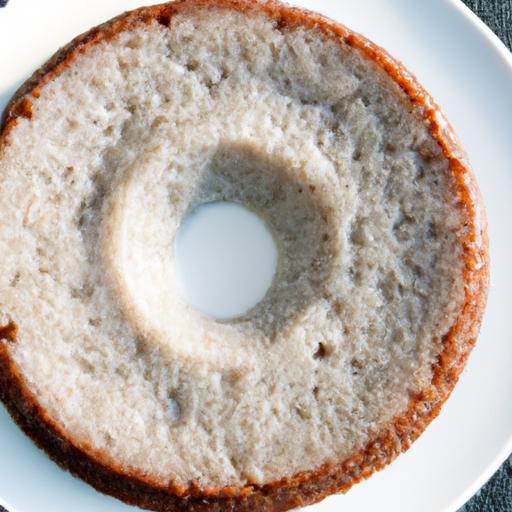
A5: Beyond classic cookies and cakes, it shines in chewy bagels, tender pie crusts, and mochi-inspired desserts. It also thickens fruit pie fillings without clouding flavor or altering color, adding a transparent, glossy finish.
Q6: How does it influence the shelf life and freshness of baked goods?
A6: Thanks to its moisture-retaining properties, baked goods stay fresh and soft longer, preventing dryness and crumbly textures. Cakes and breads maintain a delightful mouthfeel well after baking day.
Q7: Are there any tips for substituting it in recipes?
A7: Start with a 1:1 ratio when replacing other starches or flours, but watch moisture levels, as it absorbs water differently. Combining it with rice or almond flour can balance texture and improve baking success.
Q8: What should bakers watch out for?
A8: It thickens quickly and can become gummy if overheated or overmixed. Mix gently, avoid excessive cooking, and store in a cool, dry place to prevent clumping.
Q9: Beyond baking, does it have other culinary uses?
A9: Certainly! It’s a versatile thickener in sauces, soups, and puddings. Its neutral flavor and smooth texture create silky consistencies in both sweet and savory dishes.
Q10: Where can home bakers find it?
A10: Widely available in health food stores, Asian markets, and many supermarkets. Often labeled as “tapioca flour” or “cassava starch.” Look for finely milled, pure starch without additives for best results.
With this ingredient in your pantry, every bake is an invitation to explore textures and tastes with a magical flair. Embrace the humble root’s wonders and unlock a new chapter in baking brilliance!
In Conclusion
As the final grains settle into your batter, you’re not just baking—you’re unlocking a centuries-old secret that transforms ordinary ingredients into extraordinary creations. From its silky texture to its ability to create light, airy delights, this ingredient is more than a pantry staple; it’s a gateway to baking magic. Whether you’re aiming for the perfect chewiness in your cookies or the ideal crispness in your crusts, embracing it invites you to reimagine what’s possible in the oven. So next time you reach for that mysterious white powder, remember: you’re holding the key to a world of wonder, where science meets art, and every bite tells a story of transformation. Happy baking!