

Bread has long been a beloved staple, but today’s culinary landscape offers exciting alternatives. From vibrant vegetable wraps to ancient grain crisps, creative options are reshaping how we enjoy carbs, bringing new flavors, textures, and nutrients to every bite. Whether you want to diversify your diet or simply explore beyond the crust, a world of inventive choices awaits.
Exploring ancient Grains and Their Unique Flavors
Beyond bread: Creative Alternatives to Your Daily Loaf opens up a world where ancient grains elevate your baking and dining experience with their distinctive textures and nutty aromas. Imagine the chewy, wholesome bite of einkorn or the earthy depth of teff, each bringing a heritage steeped in centuries of cultivation but reinvented for today’s kitchen. Thes grains don’t just add flavor-they introduce complexity and nutrition in ways that modern wheat often can’t match.
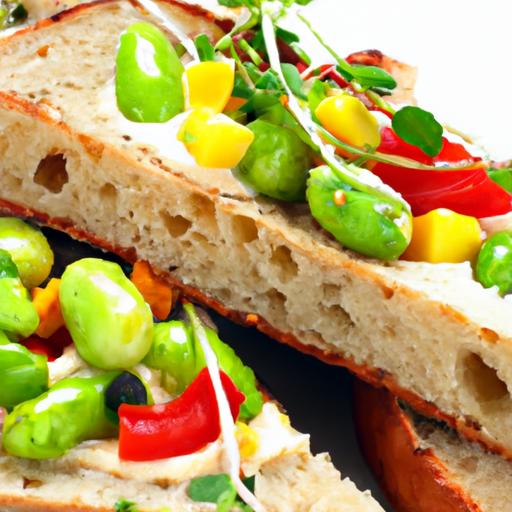
Take a simple ancient grain flatbread-made from a blend of spelt and freekeh-and savor how it effortlessly balances rustic charm and lightness. The natural nuttiness pairs perfectly with fresh herbs and roasted vegetables, creating a canvas for countless inventive uses. Beyond taste, the richer mineral profile and higher fiber content make these breads as nourishing as they are stunning.
Prep and Cook Time
- Planning: 15 minutes
- Resting/Dough Fermentation: 1 hour
- Cooking/baking: 20 minutes
- Total Time: 1 hour 35 minutes
Yield
Makes 8 medium-sized flatbreads (serves 4-6)
Difficulty Level
Medium – ideal for adventurous bakers eager to experiment with alternative grains and textures.
Ingredients
- 1 cup spelt flour, sifted
- ½ cup freekeh flour, whole grain
- 1 tsp baking powder
- ½ tsp sea salt
- 1 tbsp olive oil, plus extra for cooking
- ¾ cup warm water (110°F/43°C)
- 1 tbsp honey or maple syrup (optional, balances flavor)
- Fresh herbs (rosemary, thyme) for garnish (optional)
Instructions
- Combine Dry Ingredients: In a large bowl, whisk together the spelt flour, freekeh flour, baking powder, and salt until evenly mixed.
- Add Liquids: Mix the olive oil, warm water, and honey in a separate cup. Slowly pour into the dry ingredients, stirring with a wooden spoon until a sticky dough forms.
- Knead the Dough: Lightly flour a clean surface and knead the dough for about 5 minutes until smooth and elastic.Cover with a damp cloth and let it rest for 1 hour to allow slight fermentation and flavor progress.
- Divide and Shape: Once rested, divide dough into 8 equal parts. Roll each into a ball, then flatten into a 6-inch disc about ¼ inch thick.
- cook: Heat a non-stick skillet over medium heat with a drizzle of olive oil. Cook each flatbread for 2-3 minutes per side or until golden brown spots appear and the bread puffs slightly.
- Cool and Garnish: Transfer flatbreads to a rack to cool slightly. garnish with fresh herbs like rosemary or thyme for an aromatic lift before serving.
Tips for Success
- Keep the dough slightly tacky: Adjust with water or flour-too dry will make the flatbread tough; too wet will be hard to handle.
- Experiment with flours: Swap freekeh for teff or amaranth for unique flavor notes and nutritional boosts.
- Make-ahead: The dough can be refrigerated for up to 24 hours; bring to room temperature before shaping.
- Oil variation: Use avocado or walnut oil for different flavor profiles.
- For softer breads: Cover cooked flatbreads with a clean towel as they cool to retain moisture.
Serving Suggestions
These ancient grain flatbreads pair beautifully with Mediterranean spreads like hummus and baba ganoush or stacked with roasted vegetable layers and creamy goat cheese for a nourishing lunch wrap. For a vibrant breakfast, top with smashed avocado, sliced cherry tomatoes, and a sprinkle of sea salt. Their rustic charm also shines alongside soups and stews, soaking up broths eloquently. Garnish with fresh herbs, a light drizzle of extra virgin olive oil, and a dusting of toasted seeds to elevate every bite visually and texturally.

| Nutritional Info (per flatbread) | Amount |
|---|---|
| Calories | 150 kcal |
| Protein | 5 g |
| Carbohydrates | 28 g |
| Fat | 3.5 g |
Innovative Gluten-Free Options That Don’t Compromise on Taste
Beyond Bread: Creative Alternatives to Your Daily Loaf embraces the challenge of gluten-free baking by blending starches like tapioca and brown rice flour with whole, nutrient-dense ingredients such as chia seeds and ground flax. Far from bland, these recipes rely on natural binders and textures to provide elasticity and moisture, producing breads that delight the palate and satisfy any gluten-free craving.
Try crafting a vibrant beetroot and chickpea flour flatbread, stunning in color and richness, paired with cooling tzatziki or a smoky roasted pepper spread. Incorporating vegetable bases not only naturally hydrates the dough but adds antioxidants and minerals, making each slice a powerhouse of nutrition and taste you’ll want to share.
Learn more about gluten-free grains and nutrition at the Celiac Disease Foundation.
How to Incorporate Alternative Breads Into Everyday Meals
Integrating beyond Bread: Creative Alternatives to Your Daily Loaf ideas into your routine is effortless and transformative. Swap out your usual sandwich bread with a quinoa and cornmeal skillet bread for lunchtime favorites or pair lentil flour socca with fresh green salads for a protein-packed dinner. Use these breads as dippers for hearty soups or layer with seasonal vegetables and spreads for versatile meal prep.
Visual appeal can be heightened by slicing breads thin and toasting until crisp for homemade chips, perfect for entertaining or quick snacks. Elevate breakfast by toasting slices topped with nut butters, fresh fruit, or a sprinkle of seeds, transforming the simplest start into a nourishing ritual.
To explore more recipes featuring alternative flours and vegetable-based breads,visit our Healthy Bread Alternatives Archives.
Q&A
Q: Why should I consider alternatives to my daily loaf of bread?
A: While bread has been a beloved staple for centuries, exploring alternatives can add excitement, diversity, and new flavors to your meals. Plus, alternatives frequently enough cater to different dietary needs, such as gluten intolerance or low-carb preferences, making your diet more inclusive and balanced.
Q: What are some creative substitutes for traditional bread?
A: Think beyond the usual! Options like cauliflower flatbreads, collard green wraps, crispy sweet potato slices, or even cloud bread offer unique textures and tastes. These creative bases can transform sandwiches, toast, and burgers into vibrant culinary adventures.
Q: How do I choose the right bread alternative for my meal?
A: It depends on the dish and your texture preference. If you crave crunch, roasted vegetable slices or seed crackers might do the trick. For something soft and pliable, consider lettuce or cabbage leaves. Feeling indulgent? Avocado halves or grilled portobello mushrooms can add richness without the carbs.
Q: Are there nutritious benefits to these bread alternatives?
A: Absolutely! Many alternatives bring extra nutrients to the table-like antioxidants from leafy greens, fiber from veggies, and healthy fats from nuts or seeds. This means you can boost your meal’s health profile while enjoying a fresh twist on your usual sandwich or toast.
Q: can bread alternatives work in everyday recipes like sandwiches or burgers?
A: Definitely! Cauliflower flatbreads make excellent sandwich bases, and grilled eggplant or zucchini slices can hold up beautifully in place of buns. Swapping bread for these options can introduce new flavors and textures, turning simple meals into culinary delights.Q: How can I experiment with bread alternatives without feeling overwhelmed?
A: Start small: replace your usual bread with one alternative at a time, like swapping your sandwich bread for large lettuce leaves or making a breakfast toast on almond flour crackers. Gradually, you’ll discover what suits your taste buds and lifestyle best.
Q: Are bread alternatives suitable for all dietary preferences?
A: Many alternatives naturally fit various diets including gluten-free, keto, paleo, and vegan. By selecting plant-based or minimally processed options, you can tailor your meals to meet nutritional goals without sacrificing enjoyment.
Q: What are some tips for making homemade bread alternatives?
A: Fresh is best! Use seasonal vegetables, experiment with different flours like chickpea or almond, and incorporate herbs and spices to elevate flavor. Don’t forget to adjust cooking times and temperatures to get the perfect texture, whether you’re baking, grilling, or pan-frying.
Q: Can children enjoy these bread alternatives as much as adults?
A: Absolutely! with some creativity and familiar flavors, kids often love fun, colorful alternatives-like mini zucchini “boats” or crispy carrot crackers. Including them in the preparation process can spark curiosity and make mealtime a joyful experience.
Q: Where can I find inspiration for recipes using bread alternatives?
A: Explore food blogs, social media channels, and cookbooks dedicated to healthy eating and creative cooking. Seasonal farmers’ markets can also inspire you with fresh produce to turn into exciting bases that go beyond the classic loaf.
Key Takeaways
As we step beyond the familiar slice and crust, the world of bread reveals itself to be just the beginning of our culinary adventure. From the nutty crunch of seed crackers to the vibrant hues of vegetable-based wraps, these creative alternatives invite us to rethink what fills our plates and nourishes our bodies. Embracing variety not only delights our taste buds but also opens doors to new textures, flavors, and nutritional benefits. So next time you reach for that daily loaf, consider venturing into these inspired options-your meals, and your health, may thank you for it. After all, the bread of tomorrow is limited only by our imagination today.