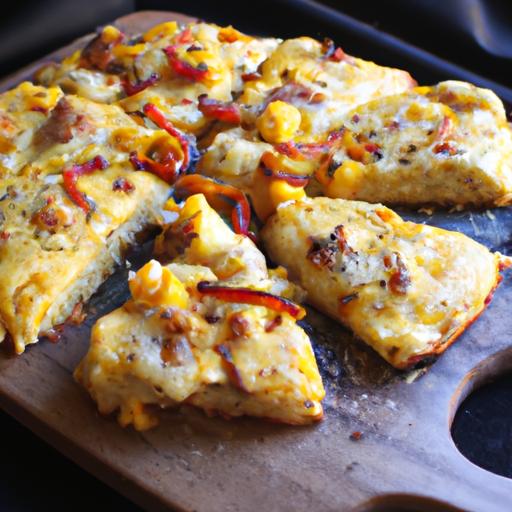

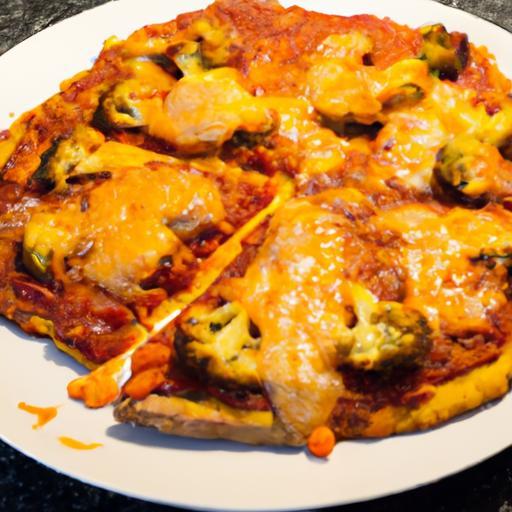
Imagine biting into a warm, cheesy slice of pizza that not only satisfies your cravings but also nourishes your body with a surprising secret ingredient. Enter cauliflower pizza crust-a deliciously innovative twist on the customary pie that’s capturing the hearts adn kitchens of health-conscious food lovers everywhere.Combining the comforting flavors of classic pizza with the nutritional powerhouse of cauliflower, this inventive crust offers a lighter, gluten-free option without sacrificing taste or texture.In this article, we’ll dive into the world of cauliflower pizza crust, exploring its origins, benefits, and tips to create your own perfect pie at home. Get ready to discover how this humble vegetable is reshaping pizza night into a guilt-free party!
The Science Behind Cauliflower Pizza Crust: Understanding Texture and Flavor
Cauliflower pizza crust has quickly become a beloved alternative to traditional dough, revolutionizing how we approach this classic comfort food.At its core, the conversion of humble cauliflower into a crispy, flavorful base hinges on understanding the vegetable’s unique structure and moisture content. Unlike wheat dough, cauliflower lacks gluten, which means achieving that perfect chewiness requires strategic balancing of ingredients to mimic the elasticity and crisp texture we crave in pizza crust.
The secret lies in removing excess water. Cauliflower is roughly 92% water, and if not pressed out properly after processing, it can result in a soggy, limp crust. When the grated cauliflower is gently steamed or microwaved and then squeezed tightly within a clean kitchen towel or cheesecloth,the remaining cauliflower can bind with eggs and cheese,which act as natural glues,creating a dough-like consistency. The addition of shredded mozzarella or Parmesan contributes both moisture control and a slightly nutty, savory flavor that enhances the overall taste profile.
Once formed and baked, the crust develops a golden exterior and a light, slightly crisp bite, thanks in part to the Maillard reaction-the chemical reaction responsible for browning and developing complex flavors during baking. The lack of traditional flour also means the flavor is more vegetal and subtly sweet, offering a fresh canvas that pairs beautifully with a variety of toppings.
Crafting the Perfect Cauliflower Crust at Home: Essential Tips and Techniques
Mastering cauliflower pizza crust starts with quality planning and precision in technique. Begin with fresh, firm cauliflower heads – fresher produce means less moisture and better texture. Following these key steps will elevate your homemade crust experience:
- Rice the cauliflower: pulse florets in a food processor until it resembles coarse rice, avoiding mushy pastes that retain too much water.
- Drain thoroughly: After lightly steaming or microwaving, wrap the cauliflower in a clean cloth and squeeze firmly to expel all moisture. this step is critical to avoid a soggy base.
- Bind well: Combine the dried cauliflower with beaten eggs and finely grated cheese to provide structure. Season with salt, herbs, or spices for flavor depth.
- shape carefully: Press the mixture evenly onto a parchment-lined baking tray or pizza stone,creating a thin but sturdy round to ensure even baking and crispiness.
- Bake twice: First bake the crust until golden and firm, then add toppings and bake again to prevent sogginess.
Pro tip: Placing a rack under the baking tray can promote air circulation, enhancing crunchiness on the crust’s underside. For those following gluten-free or low-carb diets,cauliflower crust offers an enjoyable and healthy alternative without sacrificing flavor or texture.
Flavor Pairings and Toppings That Elevate Your Cauliflower Pie Experience
The mild, slightly sweet flavor of cauliflower pizza crust provides an excellent backdrop for both bold and subtle toppings. Consider these inspired combinations to complement and elevate your pie:
- Fresh Mediterranean: Sun-dried tomatoes,kalamata olives,feta cheese,and fresh oregano drizzled with extra virgin olive oil bring robust yet balanced flavors.
- Herbaceous and fresh: Baby spinach, artichoke hearts, roasted garlic, and a sprinkle of fresh basil provide a garden-fresh finish.
- Savory mushroom medley: Sauté a variety of mushrooms with thyme and garlic, topping with a light layer of smoked mozzarella for umami richness.
- Spicy vegan delight: Use a smoky tomato sauce base topped with roasted red peppers,jalapeños,vegan cashew cheese,and fresh cilantro for heat and creaminess.
When applying toppings, less is more. Overloading can weigh down the delicate crust and generate excess moisture. Opt for lighter, fresh ingredients or pre-roast vegetables to minimize water content. finish with a drizzle of balsamic glaze or a dusting of nutritional yeast to add contrasting layers of flavor and sophistication.
Health Benefits and Nutritional Insights of Choosing Cauliflower Over Traditional Dough
Choosing cauliflower pizza crust is not only a culinary adventure but a health-conscious decision packed with benefits. Cauliflower is a cruciferous vegetable loaded with vitamins C, K, and B6, along with folate and fiber, which support immune health, digestion, and cellular function.Compared to traditional wheat-based crust, cauliflower crust dramatically reduces carbohydrates and calories, making it ideal for those managing blood sugar levels or following keto, paleo, or gluten-free diets.
Moreover, cauliflower’s antioxidant properties combat inflammation and oxidative stress, while its fiber content fosters digestive wellness and satiety, helping curb overeating. By substituting high-glycemic bread dough with cauliflower, you’re nourishing your body with essential micronutrients while still enjoying the comforting ritual of pizza night.
| nutrient | Traditional Dough (1 slice) | Cauliflower Crust (1 slice) |
|---|---|---|
| Calories | 200 | 90 |
| Carbohydrates (g) | 30 | 7 |
| Protein (g) | 6 | 5 |
| Fat (g) | 3 | 4 |
| Fiber (g) | 1 | 3 |
Prep and Cook Time
- Preparation: 20 minutes
- Cook Time: 25 minutes
- Total Time: 45 minutes
Yield
Serves 4
Difficulty Level
Easy – Medium
Ingredients
- 1 medium head cauliflower (about 4 cups riced)
- 2 large eggs, beaten
- 1 cup shredded mozzarella cheese
- ½ cup grated Parmesan cheese
- 1 teaspoon dried Italian herbs
- ½ teaspoon garlic powder
- Salt and freshly ground black pepper, to taste
- Olive oil spray, for greasing
Instructions
- Rice the cauliflower: cut cauliflower into florets and pulse in a food processor until finely grated, resembling rice grains.
- Cook the cauliflower: Transfer riced cauliflower to a microwave-safe bowl and cook on high for 4-5 minutes, or until soft.
- Drain thoroughly: Let the cauliflower cool briefly, then wrap in a clean kitchen towel or cheesecloth and squeeze firmly to remove as much moisture as possible – this step is key for a crisp crust.
- Mix the dough: in a large bowl, combine the drained cauliflower with beaten eggs, mozzarella, Parmesan, dried herbs, garlic powder, salt, and pepper. Mix until a sticky dough forms.
- Shape the crust: line a baking sheet with parchment paper and lightly spray with olive oil. Press the cauliflower mixture evenly into a 12-inch round, about ½ inch thick.
- Pre-bake the crust: Bake at 425°F (220°C) for 15-20 minutes, or until the edges are golden and the crust feels firm to the touch.
- Add toppings: Remove from oven and carefully add your sauce, cheese, and toppings of choice.
- Final bake: Return to oven for 8-10 minutes,or until cheese is bubbly and toppings are heated through.
- Serve: Let cool for 5 minutes before slicing and garnishing as desired.
Tips for Success
- For a crispier base, try baking the crust on a preheated pizza stone or inverted baking sheet.
- If your mixture feels too wet, add a tablespoon of almond flour or finely ground flaxseed meal for extra binding power.
- Try swapping mozzarella for a dairy-free cheese alternative if vegan-friendly options are preferred.
- Make the crust ahead and refrigerate for up to 2 days or freeze for up to a month; reheat in the oven to maintain crispness.
Serving Suggestions
Serve your cauliflower pizza crust with a luminous arugula salad tossed in lemon vinaigrette for a refreshing contrast. Garnish the pie with fresh basil leaves or a sprinkle of red pepper flakes for a touch of heat and aroma. Drizzle high-quality olive oil or a balsamic reduction just before serving to enhance depth. Pair with a chilled sparkling water infused with cucumber or mint for a vibrant, all-around sensory experience.
For more delicious gluten-free pizza variations, visit our Gluten-Free Pizza Recipes collection. For the nutritional science behind cauliflower and other cruciferous vegetables, check out this detailed guide from the Healthline Nutrition Database.

Q&A
Q&A: Cauliflower Pizza Crust – A Tasty Twist on Classic Pie
Q1: What exactly is cauliflower pizza crust?
A1: Cauliflower pizza crust is a creative and nutritious alternative to traditional wheat-based pizza crust.Made primarily from finely grated cauliflower, it offers a gluten-free, lower-carb base that still holds up beautifully under your favorite toppings.Q2: How do you transform cauliflower into a pizza crust?
A2: The process involves pulsing cauliflower florets into a rice-like texture, then lightly steaming or microwaving them to soften. After that, the cauliflower is squeezed dry to remove excess moisture, mixed with ingredients like eggs, cheese, and seasonings, and baked into a firm, crispy crust ready to be piled with toppings.
Q3: Is the texture of cauliflower crust very different from regular pizza dough?
A3: While it won’t have the exact chewiness of classic dough, a well-made cauliflower crust strikes a delightful balance-crispy on the edges, tender on the inside, with a subtle, pleasantly mild flavor that complements toppings without overpowering them.
Q4: Can cauliflower crust be made vegan or dairy-free?
A4: Absolutely! By swapping eggs for flax or chia “eggs” and using vegan cheeses or nutritional yeast, you can create a plant-based cauliflower crust that still holds together and tastes fantastic.
Q5: What are some tasty topping ideas that pair well with cauliflower crust?
A5: Since cauliflower crust has a mild flavor, it pairs beautifully with vibrant and fresh toppings like sun-dried tomatoes, mushrooms, artichokes, olives, fresh basil, roasted bell peppers, and a variety of cheeses such as mozzarella or feta.
Q6: How can I prevent my cauliflower crust from becoming soggy?
A6: The key is thoroughly squeezing out as much moisture as possible after cooking the cauliflower. Baking the crust first until golden and slightly crisp before adding toppings also helps keep it sturdy and deliciously crisp throughout.
Q7: Is cauliflower crust healthier than regular pizza crust?
A7: Cauliflower crust is generally lower in calories and carbs, and it adds the nutritional benefits of cauliflower, including fiber, vitamins C and K, and antioxidants.it’s a clever way to sneak veggies into a favorite comfort food!
Q8: Can I freeze cauliflower pizza crust for later?
A8: Yes! After baking the crust,allow it to cool completely,then freeze it wrapped in parchment or plastic wrap. When you’re ready, simply thaw and add your toppings for a rapid, tasty pizza fix.
Q9: Is cauliflower pizza crust suitable for gluten-free diets?
A9: When prepared without breadcrumbs or wheat-based binders, cauliflower crust is a naturally gluten-free option, making it an excellent choice for those with gluten sensitivities or celiac disease.
Q10: What inspired the rise of cauliflower crust in the pizza world?
A10: Driven by a growing demand for healthier, lower-carb, and gluten-free foods, cauliflower crust has become a beloved trend for those wanting to enjoy pizza without the heaviness of traditional dough-combining creativity in the kitchen with a boost of veggies!
In Summary
Whether you’re a devoted pizza purist or an adventurous palate looking to shake up your dinner routine, cauliflower pizza crust offers a delightful and nutritious twist on the classic pie. It’s more than just a trendy alternative-it’s a versatile canvas that invites creativity while sneaking in a serving of veggies. so the next time you crave that cheesy, saucy goodness, consider swapping out the traditional dough for this vibrant, guilt-conscious crust.Your taste buds-and your body-just might thank you for it.