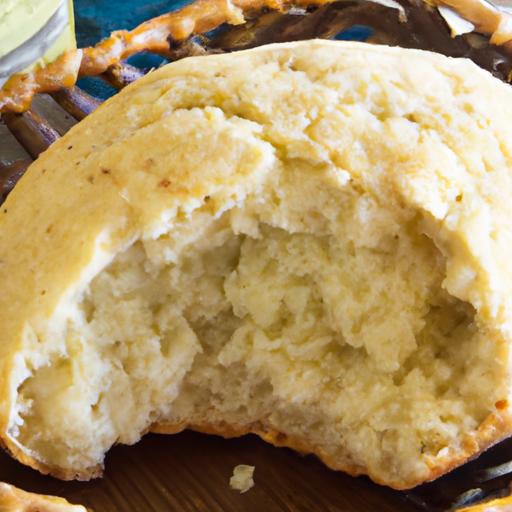




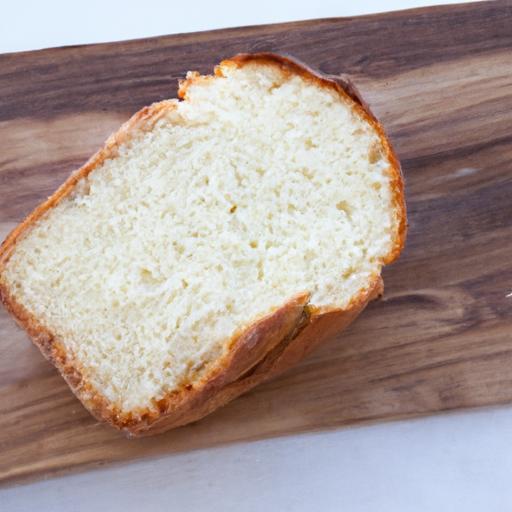
In the ever-evolving world of low-carb baking, coconut flour bread has emerged as a beloved option for those seeking a grain-free, fiber-rich option. But behind its fluffy, golden exterior lies a question that frequently enough puzzles enthusiasts: how do you accurately count the net carbs in this tropical delight? Understanding the nuances of net carbohydrates in coconut flour bread is more than just a numbers game-it’s about unlocking the true impact this ingredient has on your diet and blood sugar levels. In this article, we’ll peel back the layers of misconception, explore what net carbs really mean, and reveal the truths behind counting carbs in coconut flour bread, helping you make informed choices without sacrificing flavor or nutrition.
Counting Net Carbs is essential when navigating the world of low-carb baking, especially with staples like coconut flour bread. This versatile bread has become a kitchen favorite for those seeking a nutrient-dense, gluten-free alternative that won’t sabotage a ketogenic or low-carb lifestyle. But understanding its impact on your diet means first decoding how net carbs come into play and what sets coconut flour apart from traditional flours.
Prep and Cook Time
- preparation Time: 15 minutes
- Cooking Time: 40 minutes
- Total Time: 55 minutes
Yield
1 small loaf (8 slices)
Difficulty Level
Easy to Medium
Ingredients
- 3/4 cup unsweetened coconut flour
- 6 large eggs, room temperature
- 1/2 cup melted unsalted butter or coconut oil
- 1/2 tsp baking soda
- 1/4 tsp sea salt
- 1 tbsp apple cider vinegar
- 1 tbsp honey or a low-carb sweetener (optional)
instructions
- Preheat your oven to 350°F (175°C).Grease a loaf pan with butter or line it with parchment paper for easy release.
- Whisk the eggs vigorously in a large bowl until light and frothy, creating volume that helps the bread rise.
- Combine the melted butter (or coconut oil), apple cider vinegar, and honey (if using) with the eggs.Mix well to incorporate.
- Sift the coconut flour, baking soda, and sea salt into the wet ingredients to prevent lumps and ensure even distribution.
- Gently fold the dry ingredients into the wet mixture until fully combined but not overmixed. the batter will be thick-this is normal owing to coconut flour’s absorbency.
- Pour the batter into the prepared loaf pan, smoothing the top with a spatula.
- Bake for 35-40 minutes or until a toothpick inserted into the center comes out clean and the edges turn golden.
- Cool in the pan for 10 minutes before transferring to a wire rack to cool completely.This step helps prevent crumbling.
Chef’s Notes
- Moisture balance: Coconut flour soaks up liquid quickly. If your batter feels overly dry, add a splash of almond milk or an additional egg for softness.
- Sweeteners: Choosing natural options like honey or monk fruit keeps the carb count lower but still offers a hint of sweetness.
- Storage tip: Wrap cooled bread in plastic wrap and refrigerate for up to a week or freeze slices individually for a quick-to-toast treat.
- Substitutions: Swap butter with avocado oil for dairy-free variation without sacrificing moistness.
- Don’t skip the vinegar: It activates baking soda and adds tenderness, a subtle trick for fluffier bread.
serving Suggestions
This coconut flour bread shines when toasted and topped with creamy avocado and a sprinkle of chili flakes for a savory treat. For a sweet spin, spread with almond butter and a handful of fresh berries. Garnish with fresh herbs like parsley or basil to brighten a sandwich or pair with a hearty egg salad for breakfast or lunch. The mild coconut flavor complements bold spices and fresh vegetables beautifully.

Breaking Down Coconut Flour Bread Nutritional Profile
One of the key reasons counting net carbs is especially relevant here is due to coconut flour’s unique nutritional makeup. Unlike wheat flour, coconut flour contains a high amount of fiber, which offsets its total carbohydrates. This means the net carbs-calculated by subtracting fiber and sugar alcohols from total carbs-are considerably lower. This attribute makes coconut flour bread a standout choice in low-carb and keto diets, helping keep blood sugar stable and hunger satisfied longer.
| Nutrient | Per Slice (Approx.) |
|---|---|
| Calories | 120 kcal |
| Protein | 5g |
| Total Carbs | 8g |
| Dietary fiber | 6g |
| Net Carbs | 2g |
| Fat | 8g |
Myths Versus Facts About Carb Content in Coconut Flour Bread
There’s a common misconception that all carbohydrate counts on labels can be taken at face value, leading to confusion around coconut flour bread. Some believe it’s “hidden” with sugars or sneaky starches,but the truth about counting net carbs reveals otherwise. The high fiber count naturally reduces the effective carb load, making this bread a strategic ally for dieters. Additionally, coconut flour is low glycemic and doesn’t spike blood sugar as wheat-based breads often do.
Be wary of brands that mix coconut flour with other flours that can raise the carb count. Preparing your own batch at home guarantees full control over ingredients and carb content.
Smart Tips for Including Coconut Flour Bread in Your Meal Plan
- Snack smarter: Toast a slice and top with mashed avocado, smoked salmon, or a sprinkle of nutritional yeast for an umami-packed mini meal.
- Meal prep: Bake a loaf on weekends and freeze slices for quick breakfasts or lunches. Defrost and toast as needed.
- Pair thoughtfully: Use it as a base for savory dishes like egg salads, grilled veggie stacks, or even as a burger bun substitute.
- Balance your plate: Combine it with leafy greens and healthy fats-this harmony supports steady energy and satisfaction throughout your day.
- Monitor portions: Though low in net carbs, keep an eye on slice size and toppings to align with your daily carb goals.
For more low-carb baking inspiration, check out our article on Keto Almond Flour Muffins. To deepen your understanding of carb metabolism, visit Healthline’s detailed guide on net carbs.
Q&A
counting Net Carbs: The Truth About Coconut Flour Bread – Q&A
Q1: What exactly are net carbs, and why do they matter when it comes to coconut flour bread?
A1: Net carbs represent the carbohydrates that your body can digest and convert into glucose, essentially the carbs that impact your blood sugar. They’re calculated by subtracting fiber and certain sugar alcohols from total carbs. Since coconut flour is fiber-rich, understanding net carbs helps you accurately gauge its effect on your diet and energy levels, especially if you’re managing blood sugar or following a low-carb lifestyle.
Q2: How does coconut flour differ from traditional wheat flour in terms of carb content?
A2: Coconut flour is surprisingly lower in net carbs compared to wheat flour due to its high fiber content. While a cup of wheat flour packs around 95 grams of total carbs with less fiber,coconut flour offers roughly 60 grams of total carbs but with a hefty dose of fiber (~36 grams). This high fiber count reduces the net carbs dramatically, making coconut flour an intriguing option for low-carb baking enthusiasts.
Q3: Does coconut flour bread always guarantee low net carbs?
A3: Not necessarily. The carb count of your coconut flour bread depends heavily on the recipe and other ingredients used. Coconut flour behaves differently than typical flours-it absorbs a lot of moisture and often requires more eggs or liquids, which can add calories and slightly alter nutritional stats. Plus, additions like sweeteners or fruits can up the net carbs. So, while coconut flour is a great low-net-carb base, the final net carbs in your bread will vary.
Q4: Why does coconut flour require more eggs or liquids in recipes?
A4: Coconut flour is highly absorbent because of its fibrous structure, soaking up moisture like a sponge. This dry nature means recipes call for extra eggs or liquids to create a batter or dough that’s not crumbly or dry. Eggs not only provide moisture but also structure and binding, making the bread rise and hold together. Consequently, coconut flour bread has a unique texture that’s denser but satisfying in its own right.
Q5: How can I accurately calculate net carbs in my homemade coconut flour bread?
A5: Start by listing all your ingredients with their nutritional info per serving, focusing on total carbohydrates and fiber. Add up the total carbs and fibers from every ingredient, then subtract the fiber amount from the total carbs to get the net carbs. Such as, if one slice contains 10 grams total carbs and 6 grams fiber, your net carbs are 4 grams per slice.Precision is key, so measuring ingredients by weight rather than volume leads to better accuracy.
Q6: Are there any hidden carbohydrate pitfalls to watch for in coconut flour bread recipes?
A6: Definitely. Some recipes sneak in sweeteners, dried fruits, or starchy thickeners, which can boost net carbs unexpectedly. Even certain dairy products or flavorings may contain lactose or added sugars. It’s wise to scrutinize ingredient lists, avoid overly processed additives, and stick to whole-food ingredients to keep your net carb count in check.
Q7: What are the benefits of choosing coconut flour bread in a low-carb diet?
A7: coconut flour bread offers a fiber-packed, gluten-free alternative that satiates hunger and supports gut health due to its prebiotic fibers. It’s suitable for those looking to reduce net carbs without sacrificing the pleasure of bread, and its mild coconut flavor adds a pleasant twist to your meals.Plus, it’s packed with medium-chain triglycerides (MCTs) that some studies associate with energy and metabolic benefits.
Q8: Can coconut flour bread fit into diets beyond low-carb, like gluten-free or paleo?
A8: Absolutely! Coconut flour is naturally gluten-free, making it a go-to for gluten-sensitive eaters. Its profile also aligns well with paleo and grain-free diets, which avoid conventional grains but welcome nuts, seeds, and coconut products. It’s a versatile ingredient that blends nutrition with dietary inclusivity-just keep an eye on net carbs if you’re monitoring blood sugar or ketosis.
Q9: how does the taste and texture of coconut flour bread compare to traditional breads?
A9: Expect a bread that’s denser and slightly crumbly, with a subtle coconut aroma and a hint of sweetness. Unlike fluffy wheat breads, coconut flour bread tends to be moist and tender but less airy. The texture can be remarkable once you adjust expectations and embrace its unique character-a comforting change rather than a direct substitute.
Q10: What tips can definitely help me bake perfect coconut flour bread with the right net carb balance?
A10: Start by sticking to trusted recipes and measuring ingredients precisely. Use high-quality coconut flour and fresh eggs to ensure structure. Avoid needless sweeteners or fillers that add carbs. Experiment with spices like cinnamon or vanilla to enhance flavor without carbs, and consider incorporating healthy fats like nuts or seeds for richness. Lastly, patience is key-coconut flour behaves unlike any other, but once you master it, lower net carb bread becomes an attainable delight.
Counting net carbs in coconut flour bread is less about strict restriction and more about mindful ingredient choices and understanding this unique flour’s magic. When you bake with awareness, you unlock bread that nourishes both body and soul, carb-conscious and delicious.
Future Outlook
In the world of low-carb baking, coconut flour bread has earned its place as a beloved substitute-light, flavorful, and packed with fiber. But when it comes to counting net carbs, the story isn’t as straightforward as it seems. Understanding how net carbs are calculated, and recognizing the unique composition of coconut flour, empowers you to make informed choices that align with your dietary goals. So, the next time you slice into a loaf of coconut flour bread, you’ll do so not just with delight, but with clarity-knowing exactly what’s fueling your body and how it fits into your low-carb journey. After all,in the dance of nutrition,knowledge is the most satisfying ingredient.