
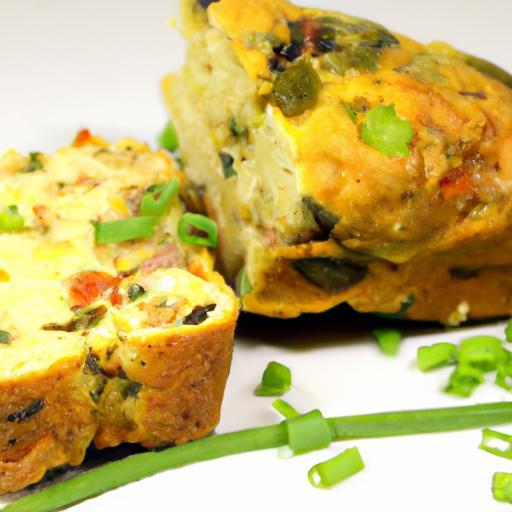
In a world where dietary choices are as diverse as the flavors we crave, finding the perfect bread can feel like chasing a deliciously elusive dream-especially for those embracing a vegan, low-carb lifestyle. Enter the realm of ”Craving Crunch,” where satisfying that irresistible bread craving doesn’t mean sacrificing your health goals or ethical values. This guide is your passport to mastering the art of vegan low-carb bread, uncovering recipes and tips that promise a harmonious blend of texture, flavor, and nutrition. Whether you’re a seasoned plant-based eater or simply curious about cutting carbs without cutting joy, prepare to embark on a crumbly, crunchy adventure that redefines bread bliss.
Understanding the Science Behind Perfectly Crunchy Vegan Low Carb Bread
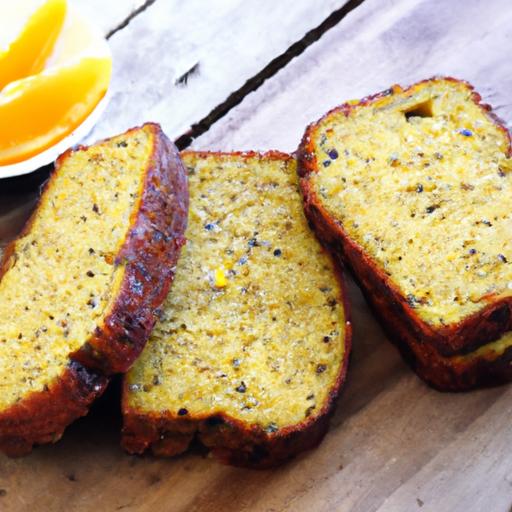
Craving Crunch is more than just a desire-it’s an art form crafted through the perfect harmony of plant-based ingredients and precise baking techniques. Achieving that coveted crunchy crust without gluten or excess carbs requires a delicate balance of moisture, structure, and heat. Vegan low-carb bread relies on ingredients that mimic gluten’s binding properties while creating a crust that shatters beautifully with each bite.
Top plant-Based Ingredients That Bring Texture and Flavor to Your Loaf
Key players in this culinary symphony include flaxseed meal and psyllium husk powder, which act as natural binders and moisture retainers. They help build a tender, sliceable crumb while fostering a sturdy surface that crisps perfectly during baking. Almond flour and coconut flour lend subtle nutty notes with low net carbs, giving your loaf depth and richness. Toasted sunflower seeds or pumpkin seeds sprinkled on top introduce that irresistible crunch you crave.
Step by Step Techniques for Achieving the Ultimate Crunch Without Gluten
- Preheat your oven and use a baking stone or heavy sheet pan to ensure even heat distribution, crucial for a crispy crust.
- Hydrate the psyllium husk thoroughly in warm water before mixing; this creates a gel-like matrix that traps air bubbles, mimicking gluten’s elasticity.
- mix your dry ingredients meticulously to evenly distribute the leavening agents and fiber, ensuring structural integrity.
- Use a high-protein plant milk such as soy or pea protein milk to enhance the bread’s protein content, fortifying the crumb.
- bake low and slow initially, then crank the temperature during the last 10 minutes to develop a golden, crackly crust.
- Let the bread cool completely on a wire rack-this step is essential to maintain its crunch. Warm bread tends to sweat, softening the crust.
Expert Tips and Recipe Variations to Customize Your Low Carb Bread Experience
Feel empowered to tweak your loaf by incorporating herbs like rosemary or thyme for an aromatic twist, or add sun-dried tomatoes and black olives for Mediterranean flair. For an even lighter texture, swap part of almond flour with hazelnut or walnut meal, which enhance flavor complexity. Struggling with sogginess? Reduce water by a tablespoon or bake a tad longer, watching carefully to avoid burning.
Prep and Cook Time
- Preparation: 15 minutes
- Baking: 55 minutes
- Total Time: 1 hour 10 minutes
Yield
- One 9×5-inch loaf, about 12 slices
Difficulty Level
- Medium – requires attention to detail but yields rewarding results
Ingredients
- 1 ½ cups almond flour, finely ground
- ⅓ cup coconut flour, unsweetened
- 3 tbsp psyllium husk powder
- 2 tbsp ground flaxseed meal
- 1 tsp baking soda
- ½ tsp sea salt
- 1 ½ cups unsweetened pea protein milk (or soy milk), warmed
- 3 tbsp apple cider vinegar
- 2 tbsp olive oil
- Optional: 2 tbsp mixed seeds (pumpkin, sunflower) for topping
Instructions
- Preheat your oven to 350°F (175°C). Place a baking stone or heavy sheet pan on the middle rack to heat.
- In a large bowl,combine almond flour,coconut flour,psyllium husk powder,flaxseed meal,baking soda,and salt. Stir until evenly mixed.
- In a separate small bowl,whisk together the warmed pea protein milk,apple cider vinegar,and olive oil. Allow to sit for 2 minutes to activate the vinegar.
- Pour the wet mixture into the dry ingredients. Using a spatula, mix until a thick dough forms. It should hold together but be slightly sticky.
- Transfer dough to a parchment-lined loaf pan, pressing and smoothing the top evenly. Sprinkle mixed seeds over the crust if using,gently pressing them in to adhere.
- Place the loaf pan on the preheated stone or baking sheet and bake for 50 minutes.
- Increase oven temperature to 425°F (220°C) and bake for an additional 10 minutes to crisp the crust.
- Remove bread from oven and let it cool completely on a wire rack before slicing to maintain perfect crunch.
Chef’s Notes
- Substitutions: If unavailable, swap psyllium husk powder with chia seeds ground finely, but expect slight texture changes.
- Make ahead: Bake in advance and store in an airtight container at room temperature for 3 days. Refresh by toasting before eating.
- Flavor boosters: Add 1 tsp garlic powder or nutritional yeast for a savory depth.
- avoid sogginess: Ensure thorough cooling and resist slicing bread while warm.
- gluten-free amiable: All ingredients are plant-based and naturally gluten-free, perfect for sensitive diets.
Serving Suggestions
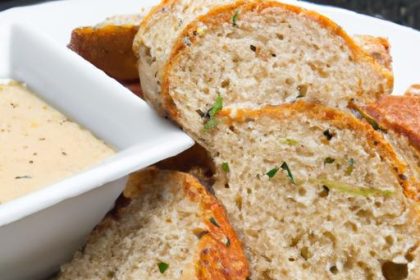
This vegan low-carb bread shines smeared with rich avocado mash and a sprinkle of crushed red pepper flakes. Pair slices with a vibrant tomato-basil salad or crisp roasted vegetables for a fulfilling meal. For breakfast, toast and drizzle with almond butter and a handful of fresh berries for a sweet-savory balance. Garnish with fresh herbs or microgreens to elevate presentation.
| Nutrient | Per Slice (Approx.) |
|---|---|
| Calories | 160 kcal |
| Protein | 6 g |
| Net Carbohydrates | 3 g |
| Fat | 13 g |

For more delightful baked goods that fit your lifestyle, visit our vegan low carb recipes collection. To delve deeper into the benefits and science of plant-based flours, check out this informative guide from Healthline on Coconut Flour.
Q&A
Q&A: Craving Crunch - Your Guide to Vegan Low-Carb Bread Bliss
Q1: What makes vegan low-carb bread different from traditional bread?
A1: Vegan low-carb bread swaps out high-carb flours like wheat for alternatives such as almond flour, coconut flour, or flaxseed meal. It skips eggs and dairy in favor of plant-based binders like flax eggs or chia gel. The result? A bread that’s kinder on your blood sugar, packed with fiber and protein, and completely free from animal products – all while delivering a satisfying crunch and hearty texture.
Q2: How can I achieve that perfect crunchy crust without using eggs or dairy?
A2: The crunch comes from a combination of smart ingredient choices and baking techniques. Incorporate seeds like sesame, sunflower, or pumpkin both inside the dough and sprinkled on top to add texture and flavor.Baking your loaf on a preheated cast-iron skillet or a baking stone helps create an ultra-crispy bottom crust. brushing the top with a bit of aquafaba or olive oil before baking encourages that golden, crackling finish.
Q3: Are there any secret ingredients that boost flavor or texture?
A3: Absolutely! Nutritional yeast adds a subtle cheesy depth without any dairy, and psyllium husk works wonders as a binder and moisture retainer, helping mimic the chewiness of traditional bread. Adding a pinch of smoked paprika or fresh herbs can turn a humble loaf into a flavor adventure. Plus, blending in fermented foods like sauerkraut juice or apple cider vinegar encourages better rise and a light tang.
Q4: Can I use these breads for sandwiches or toast,or are they best eaten plain?
A4: These breads shine across the board! Their sturdy yet tender crumb makes them the perfect canvas for all your favorite sandwich fixings-think creamy avocado,roasted veggies,or smoky tofu slices. Toasting them amps up the crunch and intensifies the nutty flavors, making any morning routine feel like a gourmet event.
Q5: How do I store vegan low-carb bread to keep it fresh and crunchy?
A5: because these breads are made with less moisture-heavy carbs, they tend to stay fresh longer without molding. Store your loaf in an airtight container at room temperature for up to three days. For longer storage, slice and freeze portions in resealable bags.To revive crunch after thawing, simply pop slices into a toaster or oven for a few minutes.
Q6: Is it possible to make vegan low-carb bread without fancy equipment?
A6: Definitely! Most recipes only require a mixing bowl,a sturdy spoon or spatula,and a baking pan or sheet. If you don’t have a cast-iron skillet, a regular baking tray lined with parchment paper works just fine. The magic lies in the ingredients and patience-not in gadgets.
Q7: What’s a beginner-friendly recipe to start my vegan low-carb bread journey?
A7: A simple blend of almond flour, ground flaxseed, baking powder, salt, water, a splash of apple cider vinegar, and some chia seeds makes a foolproof dough. Mix, let it rest to hydrate, shape into a loaf or buns, and bake until golden and firm to the touch. You’ll have a crunchy, flavorful bread perfect for experimenting with toppings or dipping oils.
Dive into the world of vegan low-carb bread and discover a crunchy, satisfying alternative that fits your lifestyle-and your cravings!
to sum up
As you embark on your journey toward vegan low-carb bread bliss, remember that the perfect crunch is more than just texture-it’s a festivity of mindful choices and flavorful innovation. With the right blend of wholesome ingredients and a touch of culinary curiosity, you can savor every bite without compromise.So go ahead, experiment boldly, embrace the crunch, and let your taste buds revel in a bread experience that’s as nourishing as it is indeed delightful. Your quest for guilt-free, crave-worthy bread ends here-welcome to a world where health and flavor rise together.