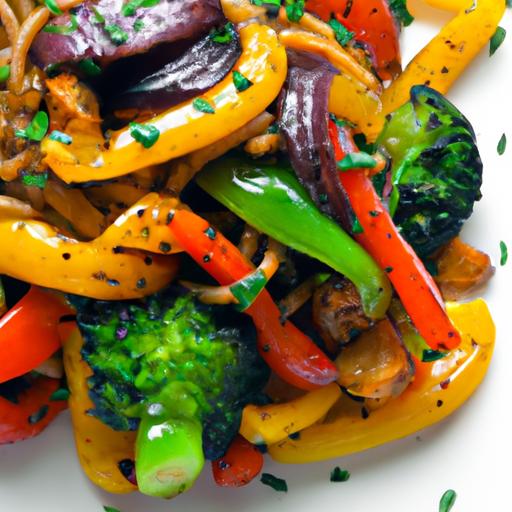

In a world where dietary choices are as diverse as the colors on a painter’s palette, finding meals that are both nourishing and delicious can be a delightful adventure-especially when navigating gluten-free, dairy-free, and vegetarian needs. Whether you’re embracing this lifestyle for health, ethics, or simply a love of vibrant, plant-based flavors, there’s a treasure trove of culinary inspiration waiting to be uncovered. from hearty grain bowls bursting with fresh veggies to creamy coconut-based sauces that satisfy without dairy, this article invites you to savor meals that celebrate wholesome ingredients and bold tastes. Get ready to explore a world where thoughtful cooking meets joyous eating, proving that dietary restrictions don’t limit creativity-they amplify it.
Exploring Flavorful Gluten-Free Grains and Legumes for Nutritious Vegetarian Dishes
Delicious gluten-free, dairy-free vegetarian meals to savor bring a vibrant palette of textures and tastes that celebrate wholesome ingredients without compromising on nutrition or flavor.One of my all-time favorite dishes was inspired by the rich culinary traditions of the Mediterranean,where hearty legumes meet earthy gluten-free grains,creating a nourishing and deeply satisfying experience. This recipe celebrates the marriage of aromatic spices, fresh garden vegetables, and innovative dairy-free alternatives to keep every bite exciting and comforting.
Prep and Cook Time
- Readiness: 20 minutes
- Cooking: 40 minutes
- Total Time: 1 hour
Yield
Serves 4 generous portions
Difficulty Level
Medium – perfect for home cooks ready to explore gluten-free grains while mastering balanced spice blends
Ingredients
- 1 cup quinoa, rinsed thoroughly
- 1 cup cooked red lentils, drained
- 2 tablespoons extra virgin olive oil
- 1 medium red onion, finely diced
- 3 cloves garlic, minced
- 1 large carrot, shredded
- 1 cup diced bell peppers (mixed colors recommended)
- 1 cup chopped fresh spinach
- 1 teaspoon ground cumin
- 1 teaspoon smoked paprika
- ½ teaspoon ground turmeric
- ½ teaspoon ground coriander
- ½ teaspoon sea salt (or to taste)
- Freshly ground black pepper, to taste
- 2 cups vegetable broth (gluten-free)
- ½ cup unsweetened coconut yogurt (or another dairy-free option like almond or cashew yogurt)
- 1 tablespoon fresh lemon juice
- ¼ cup chopped fresh cilantro or parsley, plus extra for garnish
Instructions
- Prepare the grains: In a medium pot, bring 2 cups of vegetable broth to a boil. Add the rinsed quinoa, reduce heat to low, cover, and simmer for 15 minutes or until liquid is absorbed and quinoa is tender. Remove from heat and let sit covered for 5 minutes, then fluff with a fork.
- Sauté aromatics and vegetables: While quinoa cooks, heat olive oil in a large skillet over medium heat. Add diced red onion and garlic, sauté until golden and fragrant, about 5 minutes, stirring occasionally to prevent sticking.
- add carrots and bell peppers: Stir in shredded carrot and diced bell peppers. Cook for another 5 minutes until vegetables soften slightly but remain vibrant and fresh.
- Spice it up: Sprinkle in cumin, smoked paprika, turmeric, coriander, sea salt, and black pepper.Stir well to coat veggies evenly, allowing the spices to bloom in the warm oil for 1-2 minutes.
- combine lentils and spinach: Stir in cooked red lentils and chopped spinach.cook for 3 minutes until spinach wilts and lentils heat through.
- Mix grains and vegetables: Fold the fluffy quinoa into the vegetable and lentil mixture. Adjust seasoning as needed.
- Prepare the dairy-free sauce: In a small bowl,whisk together the coconut yogurt and fresh lemon juice. Taste and add a pinch of salt or lemon if desired.
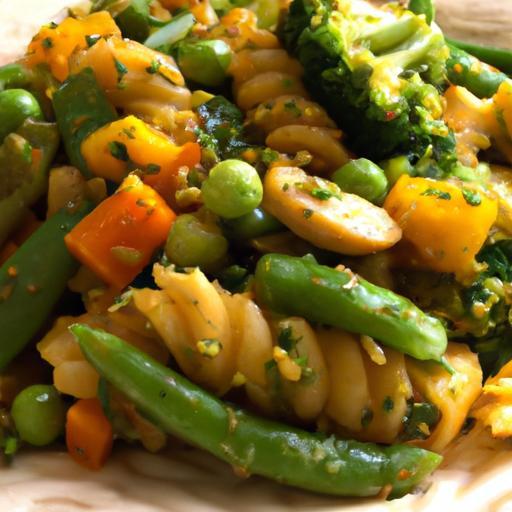
- Serve and garnish: Plate generous scoops of the quinoa and lentil medley, drizzle with the coconut yogurt sauce, and sprinkle freshly chopped cilantro or parsley over the top for a fresh, herbaceous finish.
Tips for Success
- Grain alternatives: Millet, amaranth, or buckwheat groats work beautifully if you want to switch up the base.
- Dairy-free swaps: Try cashew cream for a richer sauce, or blend soaked cashews with lemon and garlic for a fresh choice to coconut yogurt.
- Boost protein: Add toasted pumpkin seeds or hemp hearts sprinkled on top just before serving for extra crunch and nutrition.
- Make-ahead: This dish holds well in the fridge for up to 3 days and tastes even better as flavors meld.
- Spice level: Incorporate a pinch of cayenne or fresh chopped chili with the spices if an extra kick is preferred.
Serving Suggestions
This colorful dish is splendid on its own or paired with a crisp green salad drizzled with lemon vinaigrette. For a vibrant, textural contrast, serve alongside roasted root vegetables or steamed green beans tossed with toasted almonds. Garnishing with pomegranate seeds or a sprinkle of toasted sesame seeds provides an enticing pop of flavor and crunch. Enjoy warm or at room temperature, perfect for a nourishing lunch or dinner.

| Nutrient | Amount per Serving |
|---|---|
| Calories | 380 kcal |
| Protein | 16 g |
| Carbohydrates | 55 g |
| Fat | 9 g |
For more on creative gluten-free, dairy-free ingredient swaps and tips, check out our complete guide to allergy-pleasant cooking. To deepen your understanding of legume nutrition, visit the Healthline article on legume benefits.
Q&A
Q&A: Delicious Gluten-Free, Dairy-Free Vegetarian Meals to Savor
Q1: What defines a meal as gluten-free, dairy-free, and vegetarian?
A1: A gluten-free, dairy-free vegetarian meal excludes gluten-containing grains like wheat, barley, and rye, avoids all dairy products such as milk, cheese, and butter, and contains no meat or fish. Rather,it celebrates plant-based ingredients like vegetables,fruits,grains like quinoa and rice,legumes,nuts,seeds,and dairy alternatives such as coconut or almond milk.
Q2: Are gluten-free grains as satisfying as traditional wheat in vegetarian cooking?
A2: Absolutely! Grains like quinoa, millet, buckwheat, and amaranth bring unique textures and nutty flavors, making meals both hearty and nutritious. They absorb spices and sauces beautifully and often lend a pleasantly chewy or fluffy bite that keeps dishes exciting and satisfying.
Q3: how can I add creaminess to dishes without using dairy?
A3: Creaminess can come from a variety of plant-based sources. Coconut milk, cashew cream, blended silken tofu, or pureed white beans enrich sauces and soups. Avocado and tahini also bring luscious textures, making meals feel indulgent without any dairy.
Q4: What are some easy, flavorful vegetarian ingredients to boost gluten-free, dairy-free meals?
A4: Think vibrant herbs like cilantro, basil, and mint; spices such as smoked paprika, cumin, and turmeric; and bold add-ins like roasted garlic, sun-dried tomatoes, or caramelized onions. Nuts and seeds like toasted pumpkin seeds or slivered almonds add crunch and depth. lemon zest and fresh lime juice awaken flavors with radiant acidity.
Q5: Can comfort foods be adapted to gluten-free, dairy-free vegetarian diets?
A5: Definitely! Classics like creamy risottos can be made with coconut or nut-based creams, baked vegetable casseroles can use gluten-free breadcrumbs or ground nuts for topping, and chickpea or lentil patties make savory “burgers.” Even traditionally cheesy dishes can come alive with nutritional yeast or dairy-free cheese alternatives that melt well.
Q6: What should I keep in mind when planning balanced gluten-free, dairy-free vegetarian meals?
A6: Balance is key! Combine a variety of proteins (beans, lentils, quinoa), healthy fats (avocado, olive oil, nuts), and plenty of colorful vegetables to ensure nutritional completeness. Rotate your protein sources to capture a range of amino acids, and use herbs and spices to keep each meal layered with fresh, exciting flavors.
Q7: How can someone new to this diet avoid feeling limited or bored?
A7: exploration is your ally! Experiment with international cuisines-Middle Eastern stews, South Asian dals, or Mediterranean grain bowls all naturally align with gluten-free, dairy-free vegetarian principles and offer bold flavors and textures. Cooking at home allows you to tailor meals to your tastes and keep every bite interesting.Q8: Are there any rapid and easy meal ideas for busy days?
A8: Yes! Think hearty salads featuring roasted veggies, quinoa, and tahini dressing; stir-fries loaded with colorful veggies and tofu; or simple soups blended with coconut milk and spiced with ginger and garlic. Batch-cooking grains and legumes speeds up assembly during the week.
Q9: What dessert options fit this dietary style?
A9: Desserts can be naturally sweet and satisfying without gluten or dairy. Fresh fruit salads with a drizzle of honey or maple syrup, chia pudding made with almond or coconut milk, baked apples with cinnamon, or chocolate avocado mousse provide indulgence without compromise.
Q10: Where can I find inspiration and recipes that honor both flavor and dietary restrictions?
A10: Explore blogs and cookbooks dedicated to plant-based, allergen-friendly cooking. Social media communities and forums offer shared personal recipes and tips. Most importantly, embrace creativity-imagine your favorite flavors and textures, then recreate them with wholesome, compatible ingredients. The journey to delicious, inclusive meals is as rewarding as the dishes themselves!
Future Outlook
Embarking on a culinary journey that’s both gluten-free and dairy-free doesn’t mean sacrificing flavor or variety-especially when vegetarian dishes step into the spotlight. These meals prove that wholesome ingredients can come together in vibrant, satisfying ways that nourish your body and delight your taste buds. Whether you’re managing dietary needs or simply exploring a more mindful way of eating, embracing these creative recipes opens the door to endless possibilities in the kitchen. So go ahead, savor each bite, and let your next meal be a party of health, taste, and mindful living.