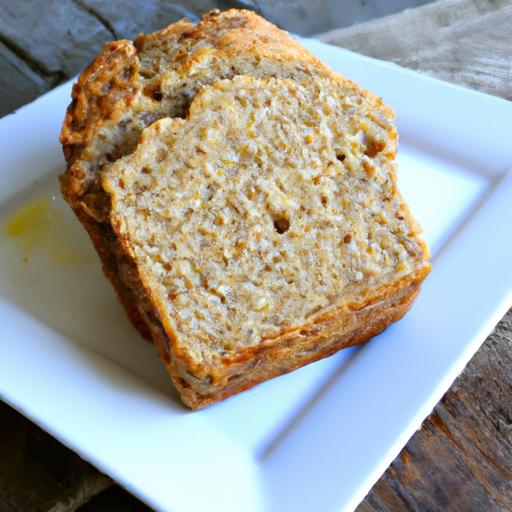


Gliding into the world of keto baking can feel like navigating a labyrinth, especially when beloved ingredients like eggs suddenly become off-limits. for those seeking the perfect low-carb loaf without cracking open a single shell, egg-free keto bread might just be the golden ticket. This article unravels the secrets to crafting moist, fluffy, and flavorful keto breads that defy convention-no eggs required. Whether you’re allergic, vegan, or simply looking to switch things up, discover how to embrace eggless keto baking with confidence and creativity, proving that appetizing low-carb bread doesn’t need eggs to rise to the occasion.
Egg-Free Keto Bread is a transformative option for those seeking delicious low-carb loaves without the eggs, blending science with culinary creativity to achieve moistness, fluffiness, and perfect rise. developing a bread that’s both nourishing and keto-amiable takes understanding the unique properties of choice ingredients and mastering techniques that replicate eggs’ binding and leavening functions.
Prep and Cook Time
- Preparation: 15 minutes
- Cook Time: 40 minutes
- Total Time: 55 minutes
Yield
1 loaf (12 generous slices)
Difficulty Level
Easy to medium – perfect for bakers who want to experiment beyond conventional keto bread recipes.
Ingredients
- 1 ½ cups almond flour, finely ground
- ½ cup coconut flour, sifted
- 2 tbsp ground psyllium husk powder
- 1 tbsp baking powder, aluminum-free
- 1 tsp apple cider vinegar
- ½ tsp fine sea salt
- 1 ½ cups warm water
- 3 tbsp olive oil or avocado oil
- 1 tsp xanthan gum (optional, for extra elasticity)
Instructions
- Preheat your oven to 350°F (175°C) and line a 9×5-inch loaf pan with parchment paper.
- In a large bowl, combine almond flour, coconut flour, psyllium husk powder, baking powder, salt, and xanthan gum. Whisk thoroughly to blend dry ingredients uniformly. Psyllium husk and xanthan gum will emulsifiy the dough, substituting the structural role of eggs.
- in a separate bowl, mix warm water, olive oil, and apple cider vinegar. The vinegar will react with the baking powder to help the bread rise and stay tender without eggs.
- Gradually pour the wet mixture into the dry ingredients, stirring constantly with a sturdy spatula. The dough will thicken and form a sticky, spongy texture, indicative of proper hydration.
- Transfer the batter evenly into the prepared loaf pan. Smooth the top with a wet spatula or the back of a spoon for an even crust.
- Bake for 35-40 minutes, until the loaf turns golden and a toothpick inserted into the center comes out clean. The bread should spring back lightly when pressed.
- Cool wholly on a rack before slicing to allow the structure to firm up,ensuring neat slices and avoiding crumbling.
Tips for Egg-Free Keto Bread Success
- Moisture is crucial: The balance between almond and coconut flour is key; coconut flour absorbs moisture intensely. Adjust water slightly if the dough feels overly dry or crumbly.
- Don’t skip psyllium husk powder: This ingredient mimics the fiber and elasticity of eggs, producing a bounce that keeps the loaf moist and pliable rather than crumbly.
- Use warm water: This activates the psyllium husk’s gelling power and assists in proper dough hydration.
- Rest the batter: Allow the dough to sit for 3-5 minutes before baking. This provides time for the psyllium to fully hydrate and swell, enhancing crumb texture.
- Store properly: Keep leftover bread tightly wrapped and refrigerated up to 5 days or slice and freeze for longer storage.
- Substitutions: Use avocado oil instead of olive oil for a slightly different flavor profile yet equally healthy fat content.
serving Suggestions
This egg-free keto bread shines both toasted and fresh. Serve thick slices topped with creamy almond butter, smashed avocado with chili flakes, or your favorite sugar-free nut jam for a flavorful breakfast. For savory options, layer with fresh spinach, roasted vegetables, or dairy-free cheese and herbs. Garnish with toasted sesame seeds or freshly ground black pepper for a rustic touch. Its neutral flavor palette allows endless flavor adaptations, making it a versatile keto staple.

| Nutrient | Per Slice (approx.) |
|---|---|
| Calories | 120 kcal |
| Protein | 5 g |
| Net Carbs | 2 g |
| Fat | 10 g |
For more ways to expand your keto baking repertoire and understand ingredient functionality, check out our detailed guide on Keto Bread Basics. Additionally,scientific insights into fiber’s role in low-carb recipes can be found at NCBI.
Q&A
Q&A: Egg-Free Keto Bread – Low-Carb Loaves Without the Eggs
Q1: Why would someone want to make keto bread without eggs?
A1: While eggs are a common staple in many keto bread recipes due to thier binding and leavening properties, some folks are allergic to eggs, have dietary restrictions, or simply prefer to avoid them. Egg-free keto bread opens the door for people who want to enjoy low-carb, fluffy loaves without compromising their dietary needs or taste preferences.
Q2: How can keto bread hold together without eggs?
A2: Eggs act as natural binders, but keto bread can rely on other ingredients to achieve structure and moisture. Flaxseeds or chia seeds, when ground and mixed with water, form a gel-like texture that mimics the binding power of eggs. Additionally, ingredients like psyllium husk powder or xanthan gum help create a chewy, bread-like consistency by trapping moisture and improving elasticity.
Q3: What are the best flours for egg-free keto bread?
A3: Almond flour and coconut flour remain the champions of keto bread baking due to their low-carb content and rich texture. Almond flour offers a moist, rich crumb, while coconut flour is highly absorbent and requires careful liquid balance. A blend of thes two,combined with fibrous binders,can yield breads that are both tasty and structurally sound without eggs.
Q4: Can egg-free keto bread still be fluffy and light?
A4: absolutely! While eggs contribute to rise and fluffiness, a smart combination of baking powder or baking soda (activated by acidic ingredients like apple cider vinegar), psyllium husk powder, and proper mixing techniques can create surprisingly airy breads. Careful attention to ingredient ratios is key to avoiding dense or crumbly results.
Q5: What simple recipe tips help ensure success when baking egg-free keto bread?
A5: First, hydrate flaxseed or chia seeds ahead to create an effective “egg replacer.” Next, measure fibrous binders like psyllium husk precisely-too much can make bread gummy, too little will cause crumbling. Use fresh leavening agents to achieve good rise. Lastly, resist the urge to over-mix; gentle folding often produces a better crumb.
Q6: How dose egg-free keto bread perform in toast or sandwich applications?
A6: Many egg-free keto bread recipes yield slices sturdy enough for toasting and sandwich-making. the key is a balance of density and moisture-not too dry, not too mushy. these breads toast beautifully, developing a satisfying crisp exterior while maintaining soft insides, perfect for everything from avocado smash to deli-style veggie stacks.
Q7: Are there any naturally egg-free ingredients that add flavor or nutrition to keto bread?
A7: Indeed! Toasted nuts or seeds like sunflower, pumpkin, and sesame can add delightful crunch and subtle flavor. Herbs and spices like rosemary, garlic powder, or smoked paprika introduce savory notes without carbs. Adding a spoonful of Greek yogurt (if dairy is allowed) can also boost moisture and tenderness.Q8: How should egg-free keto bread be stored for freshness?
A8: As these breads tend to have higher moisture content without eggs acting as preservatives, it’s best to store them wrapped tightly in plastic or in an airtight container. Refrigeration extends shelf life up to a week, and freezing slices works brilliantly for rapid thaw-and-toast convenience.
With creativity and a few clever hacks, egg-free keto bread can be just as delicious and versatile as traditional recipes – all while keeping carbs low and accommodating those who avoid eggs. It’s an exciting frontier in keto baking waiting to be explored!
Key Takeaways
Baking egg-free keto bread might seem like a puzzle,but with the right ingredients and techniques,it’s entirely possible to create low-carb loaves that rise to the occasion-without a single egg in sight. whether you’re navigating allergies, dietary preferences, or simply seeking variety on your keto journey, these recipes prove that flavor, texture, and nutrition don’t need eggs to shine. So, roll up your sleeves, experiment with almond flour, flaxseed, and other clever substitutes, and enjoy a fresh, fluffy slice of keto freedom that fits your lifestyle perfectly. Your next favorite loaf is just a bake away!